How Can We Help You?

Why Choose Electrical Controls for Industrial Sourcing?

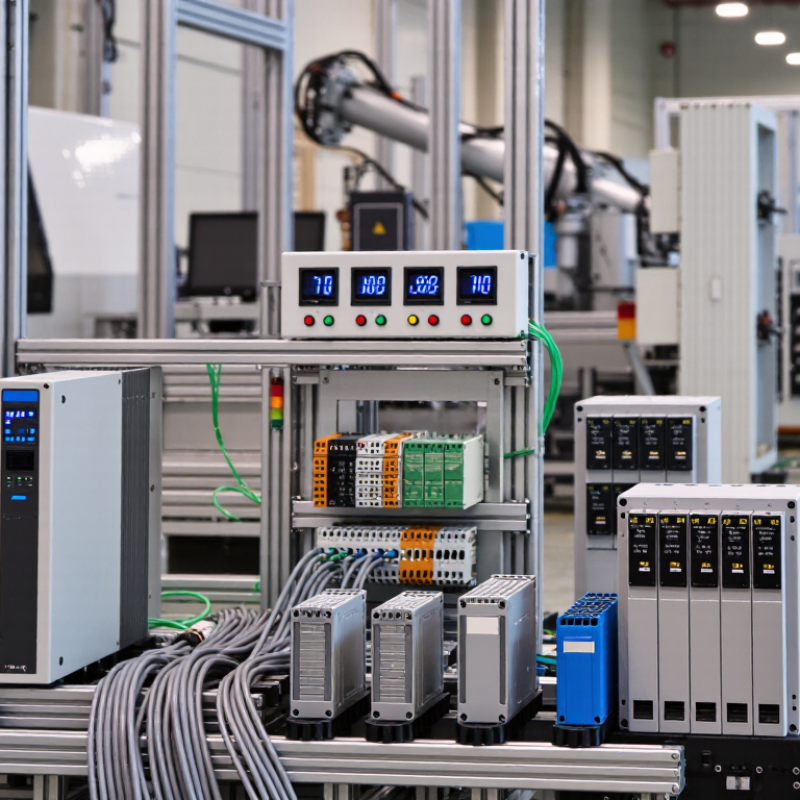
Why choose electrical controls for industrial sourcing? The answer begins with measurable performance, not attractive catalog language. Electrical controls connect sensors, drives, relays, PLCs, and safety circuits into one operational system. They can reduce manual intervention, stabilize production cycles, and reveal faults before a stopped conveyor becomes an expensive shutdown.

Industry data supports this shift. Deloitte’s 2024 Smart Manufacturing and Operations Survey reports that 86% of manufacturing executives view smart manufacturing as an important competitiveness driver over the next five years. Rockwell Automation’s 2024 State of Smart Manufacturing report also found that 95% of manufacturers are investing in, or planning to invest in, cloud and artificial intelligence. These investments still depend on reliable control hardware at the machine level. The U.S. Department of Energy identifies industry as responsible for roughly one-third of national energy use, making efficient motor control and power management commercially significant.

The practical question is sourcing quality. Can the supplier provide tested components, traceable documentation, compatible replacements, and responsive technical support? Peter Herweck, former Schneider Electric CEO, said, “Digital transformation and sustainability must move together.” That principle applies directly to electrical controls. A well-specified control panel can lower waste while improving visibility. Yet controls alone cannot repair poor maintenance or unclear engineering requirements. That assumption needs testing. Buyers should examine lifecycle costs, cybersecurity practices, certification records, and field experience before selecting a supplier. The cheapest relay may become the most expensive decision on the factory floor.
Why Choose Electrical Controls for Industrial Sourcing?

Industrial Electrical Controls: Definition, Scope, and Core Functions

Industrial electrical controls form the decision-making layer of a production system.

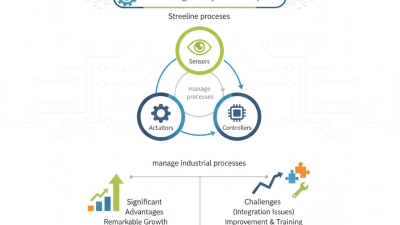
They connect sensors, switches, motors, actuators, and operator interfaces. Their scope covers control panels, programmable logic controllers, relays, circuit protection, drives, and industrial communication devices. Together, these components manage how equipment starts, stops, adjusts, and responds to changing conditions.

Their core functions are sensing, processing, switching, regulating, and communicating. A temperature sensor can trigger cooling equipment when heat rises. A pressure signal can slow a pump before damage occurs. Interlocking circuits prevent unsafe operating sequences.

Control devices also record status data, issue alarms, and support remote monitoring. These functions improve repeatability, reduce manual intervention, and help maintenance teams locate faults faster. Small delays matter.

Choosing controls for industrial sourcing requires more than checking voltage and price. Buyers should verify current ratings, environmental protection, operating temperature, communication compatibility, service access, and technical documentation. Certification requirements must match the installation location. In practical equipment reviews, loose terminals and unclear wiring labels often create more trouble than advanced software. Over-specifying every component can also increase cost and complicate maintenance. A better decision considers the process, operators, spare parts, and expected equipment life together. Mistakes still happen when suppliers focus on specifications but overlook real installation conditions.
Key Benefits of Electrical Controls in Industrial Sourcing

Why Choose Electrical Controls for Industrial Sourcing?

Key Benefits of Electrical Controls in Industrial Sourcing

Electrical controls bring measurable structure to industrial sourcing. They connect sensors, drives, switches, and machines through defined control logic. In practical plant work, this improves repeatability and reduces manual adjustment. A temperature loop can maintain a steady process instead of relying on constant operator checks. That matters.

Standardized control components also simplify supplier comparison. Buyers can review voltage ratings, communication protocols, enclosure protection, service life, and certification records. Clear specifications reduce substitution risks during procurement. They also make future maintenance easier, because technicians can identify compatible replacements faster. Good documentation saves time.

Modern controls can provide fault codes, operating histories, and energy data. These details help maintenance teams locate a failed sensor or overloaded motor before damage spreads. Remote monitoring may reduce inspection travel, but it still needs secure access and trained users. Electrical controls are not magic. Poor programming, weak installation practices, or missing wiring diagrams can create expensive delays.

From a sourcing perspective, lifecycle value deserves attention. A lower purchase price may hide difficult commissioning, scarce spare parts, or frequent calibration. Experienced buyers should request test procedures, factory inspection records, and technical support terms. They should also confirm whether local technicians understand the control architecture. I have seen efficient systems underperform because small integration details were overlooked. Reliable sourcing depends on verified performance, transparent records, and realistic maintenance planning.

Types of Electrical Control Systems and Their Applications

Industrial sourcing starts with the process, not the panel price.

The IEA’s Energy Efficiency 2023 report estimates industry uses about 37% of global final energy. That scale makes control selection a production and energy decision.

Relay-based systems suit simple pumps, fans, and interlocks. However, they become difficult to modify.

PLCs fit packaging lines, conveyors, dosing skids, and machine sequencing.

Use a distributed control system for continuous processes, such as refining, water treatment, or chemical heating. SCADA adds supervisory visibility across remote assets. Variable-frequency drives regulate motor speed and can reduce throttling losses. Motion controllers handle synchronized servo axes. Safety PLCs monitor emergency stops, guards, and controlled shutdowns.

Application details should govern the request for quotation.

Specify I/O count, voltage, enclosure rating, communication protocols, response time, diagnostics, spare capacity, and test records. Factory acceptance testing should reproduce alarm states and operator actions.

The International Federation of Robotics reported 541,302 industrial robot installations worldwide in 2023. That figure signals growing demand for coordinated motion and dependable networking.

Yet automation does not remove human judgment. A cheap controller can create expensive downtime. Poorly documented logic remains a sourcing risk. Engineers should compare lifecycle support, cybersecurity updates, training, and replacement lead times.

IEC 61508 and IEC 60204-1 references can strengthen safety and machine-control specifications. Still, standards do not fix vague requirements. Leave room for revision.

How to Evaluate Suppliers, Quality, and Compliance

Why Choose Electrical Controls for Industrial Sourcing?

How to Evaluate Suppliers, Quality, and Compliance

Electrical controls influence machine safety, uptime, and maintenance costs. Their sourcing deserves more than a price comparison. In plant projects, I have found that supplier capability often appears during small technical questions. Can the supplier explain load calculations, enclosure ratings, and wiring diagrams clearly? Request sample drawings, inspection records, and documented change procedures before placing an order.

Quality must be visible. Ask how components are received, tested, labeled, and traced. Review calibration records for testing equipment. Inspect terminal tightening, cable routing, markings, and panel cleanliness. Small details matter. A reliable supplier should provide factory acceptance testing with measurable criteria, not vague promises. Video inspections can help, but they cannot replace physical verification in every case.

Compliance requires careful document review. Check applicable electrical standards, risk assessments, declarations, and installation instructions. Confirm that certificates match the actual model, revision, and production location. A supplier may have strong engineering skills but weak record control. That is uncomfortable, yet important. Keep approved drawings and test results under revision control. Ask who approves substitutions and how changes are communicated. One missed component change can affect protection settings or maintenance procedures. No evaluation is perfect; supplier claims still need independent checks and practical questions.

Sourcing Process: From Technical Requirements to Final Selection

Why Choose Electrical Controls for Industrial Sourcing?

Sourcing Process: From Technical Requirements to Final Selection

Industrial sourcing should begin with the machine, not the catalog. Define voltage, current, load type, control logic, enclosure rating, operating temperature, and available space. Record cycle time and fault conditions too. These details turn a broad request into measurable acceptance criteria. IEC 60204-1 can guide electrical safety requirements, while local codes may add further obligations.

Request drawings, test records, firmware details, and a sample inspection plan from each supplier. Compare lifecycle cost, not only the purchase price. Spare-part availability, response time, documentation quality, and commissioning support often decide the real outcome. Deloitte’s 2024 Smart Manufacturing and Operations Survey reported that 86% of manufacturers expect smart manufacturing to become an important competitiveness source within five years. That finding supports selecting controls that can exchange reliable production data, not merely switch equipment on and off.

Tips: Build a weighted scorecard before receiving quotations. Give technical compliance the highest weight. Ask suppliers to explain failure modes in plain language. A perfect specification rarely exists; I still revisit assumptions after factory trials. One overlooked heat source can shorten component life. Pilot testing is slower, but it exposes wiring errors, weak diagnostics, and inconvenient maintenance access before full deployment. The final selection should survive a technician’s inspection at 6 a.m., not just look efficient in a spreadsheet.