How to Implement Plant Automation for Maximum Efficiency?
In today's fast-paced industrial landscape, plant automation stands as a pivotal strategy for enhancing operational efficiency. Companies seek to streamline processes and reduce human error. Automation in manufacturing plants can significantly improve productivity. However, implementing such systems is not without its challenges.
Understanding the nuances of plant automation is critical. It involves integrating advanced technology into existing workflows. This can be daunting for many organizations. Issues may arise during the transition, leading to temporary disruptions. A thoughtful approach is essential for success.
Achieving maximum efficiency requires careful planning and execution. Stakeholders must consider their specific needs and capabilities. It’s not a one-size-fits-all solution. There is also a need for ongoing evaluation and adjustment. Embracing plant automation with an open mind can lead to transformative results. Organizations often must grapple with balancing innovation and tradition. This ongoing discourse is key to achieving sustained efficiency.

Understanding Plant Automation and Its Importance to Efficiency
Plant automation is not just a trend; it’s essential for boosting efficiency. With advancements in technology, automated systems can streamline operations. These systems help reduce human error and increase productivity. Understanding plant automation enables businesses to optimize resources effectively.
One critical aspect is integrating data analytics. This helps in monitoring performance in real-time. Use automated dashboards to track key performance indicators. Such tools can highlight inefficiencies promptly. This awareness allows for timely adjustments.
Tips for successful implementation include investing in employee training. Workers need to adapt to new technologies. Schedule regular feedback sessions to understand their concerns. Further, consider a phased implementation to iron out initial issues. This gradual approach minimizes disruptions.
Be prepared for unforeseen challenges as you transition. Adjust strategies as necessary to maintain operational continuity.
Assessing Current Processes Before Implementing Automation
Assessing current processes is crucial before implementing plant automation. This ensures that resources are allocated effectively and areas for improvement are identified. A thorough evaluation allows companies to understand their unique workflows. Engaging employees in this assessment can reveal insights that might be overlooked by management alone.
Start by mapping out existing processes. This visualization helps to pinpoint inefficiencies and bottlenecks. Look at each step critically. Are there redundant tasks? Can technology improve accuracy? Additionally, document the time taken for each operation. This data is essential for future comparisons.
Feedback sessions can also be enlightening. Employees often have practical suggestions on improving workflows. Documenting these suggestions provides a valuable perspective. However, be wary of resistance to change; it is natural. Address concerns promptly to foster a culture of collaboration. This awareness sets the stage for a more seamless transition into automation, ultimately maximizing efficiency.
How to Implement Plant Automation for Maximum Efficiency?
| Process Area |
Current Efficiency (%) |
Potential Automation Benefits (%) |
Estimated Cost of Automation ($) |
ROI Period (Months) |
| Assembly Line |
75 |
20 |
50000 |
12 |
| Quality Control |
65 |
30 |
40000 |
10 |
| Packaging |
70 |
25 |
60000 |
14 |
| Maintenance |
80 |
15 |
30000 |
8 |
| Shipping |
85 |
10 |
25000 |
6 |
Key Technologies and Tools for Effective Plant Automation
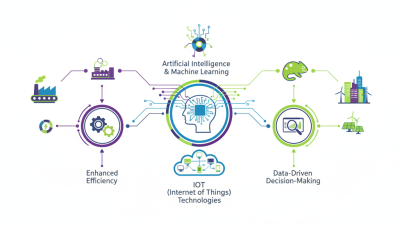
Implementing plant automation requires careful consideration of the right technologies and tools. One essential technology is the use of Industrial Internet of Things (IIoT) devices. These sensors provide real-time data on machine performance. By analyzing this data, manufacturers can identify inefficiencies and make timely adjustments. IIoT devices help enhance decision-making processes.
Another key component is the integration of advanced robotics. Robots streamline repetitive tasks, reducing human error. They are particularly effective in assembly lines and packaging. However, over-reliance on robotics can lead to unforeseen challenges, such as maintenance issues and programming errors. Balance between human oversight and robotic assistance is crucial to avoid production halts.
Additionally, using a centralized control system can aid in managing complex operations. This system provides visibility across various plant processes. With a centralized approach, operators can quickly identify bottlenecks. Yet, a complex system may require extensive training for employees. It’s important to ensure staff are well-versed in technology to maximize its potential.
Developing a Comprehensive Automation Implementation Plan
Implementing plant automation can significantly enhance operational efficiency. A comprehensive automation implementation plan is essential for achieving maximum outcomes. According to a report by McKinsey, companies can increase productivity by up to 30% through effective automation strategies. This is particularly relevant in manufacturing, where tasks can be routine and predictable.
When developing an automation plan, it’s crucial to conduct a thorough assessment of existing workflows. Identify bottlenecks and areas ripe for improvement. This analysis forms the foundation of a tailored automation roadmap. Real-time data collection and advanced analytics can guide decision-making. However, it’s vital to remain adaptable. Sometimes, initial automation efforts may not yield the projected efficiencies, prompting a reassessment of goals.
Collaboration across departments is also key. Engaging the workforce in the process ensures buy-in and highlights potential resistance points. Training staff to work alongside automated systems is critical. Studies indicate that companies investing in employee training alongside automation see a 70% increase in overall project success. Balancing technology and human input can lead to a more resilient and effective manufacturing environment.
Monitoring and Optimizing Automated Systems for Continuous Improvement
Monitoring and optimizing automated systems is crucial for maximizing efficiency in plant automation. Regular assessments can significantly enhance operational performance. According to a recent report by the International Society of Automation, plants that implement continuous monitoring can improve equipment efficiency by up to 25%. This data emphasizes the necessity of integrating advanced analytics into existing systems.
To achieve optimal results, consider implementing real-time data collection. Use sensors to track machine performance and identify inefficiencies. Establish a feedback loop to ensure swift responses to any discrepancies. This method allows teams to address issues promptly and prolong machinery lifespan.
**Tips:** Regularly train staff on new technologies. Knowledgeable employees can identify problems early. Encourage a culture of continuous improvement. Create small cross-functional teams to analyze data and implement solutions collaboratively. Celebrating small wins motivates ongoing engagement and innovation.
Plant Automation Efficiency Dashboard
This chart represents the automation efficiency in a manufacturing plant over the first seven months of the year. The data shows a consistent increase in efficiency, highlighting the improvements achieved through the implementation of automated systems.