What is Manufacturing Automation and How Can It Benefit You?
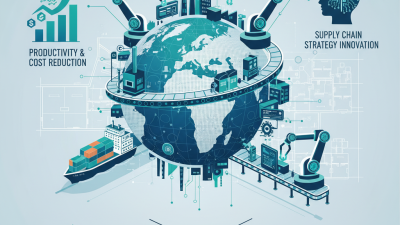
Manufacturing automation is transforming industries worldwide. It refers to the use of technology to control production processes. This shift can enhance efficiency, reduce labor costs, and improve product quality.
In today’s competitive market, businesses seek ways to streamline operations. Manufacturing automation provides a solution that addresses these challenges. It can lower the risk of human error and increase production speed. Companies can also achieve consistency in output, which is crucial for customer satisfaction.
However, adopting manufacturing automation is not without its challenges. Organizations may face initial costs and a learning curve. Transitioning from traditional methods to automated systems requires careful planning and evaluation. Nonetheless, the potential benefits can outweigh these hurdles, making manufacturing automation a valuable investment for long-term growth.
Definition and Overview of Manufacturing Automation
Manufacturing automation involves the use of technology to automate production processes. This can include robotics, AI, and other technologies. According to a report from McKinsey, companies employing automation in manufacturing can yield productivity gains of 20% to 30%. The integration of these technologies can enhance efficiency and reduce operational costs significantly.
Moreover, manufacturing automation improves consistency and quality control. A survey by the International Federation of Robotics found that automated systems can reduce defects by up to 90%. This not only meets customer demands but also builds trust in product reliability. However, companies must carefully analyze their existing processes. Automation is not a one-size-fits-all solution. It requires a thoughtful approach to avoid potential pitfalls, such as high initial costs and workforce displacement.
Incorporating automation also means staying updated with technological advancements. However, many businesses face challenges adapting to new systems. According to Deloitte, 50% of companies struggle with the implementation phase. This highlights the importance of workforce training and change management strategies. Balancing technology with human expertise is crucial for long-term success in automated manufacturing environments.
Key Technologies Used in Manufacturing Automation
Manufacturing automation is transforming industries with advanced technologies. Key technologies include robotics, the Internet of Things (IoT), and data analytics. Automation can streamline processes, reducing costs and increasing output. A report from McKinsey states that automation could boost productivity by 1.4 to 2.2 percent annually.
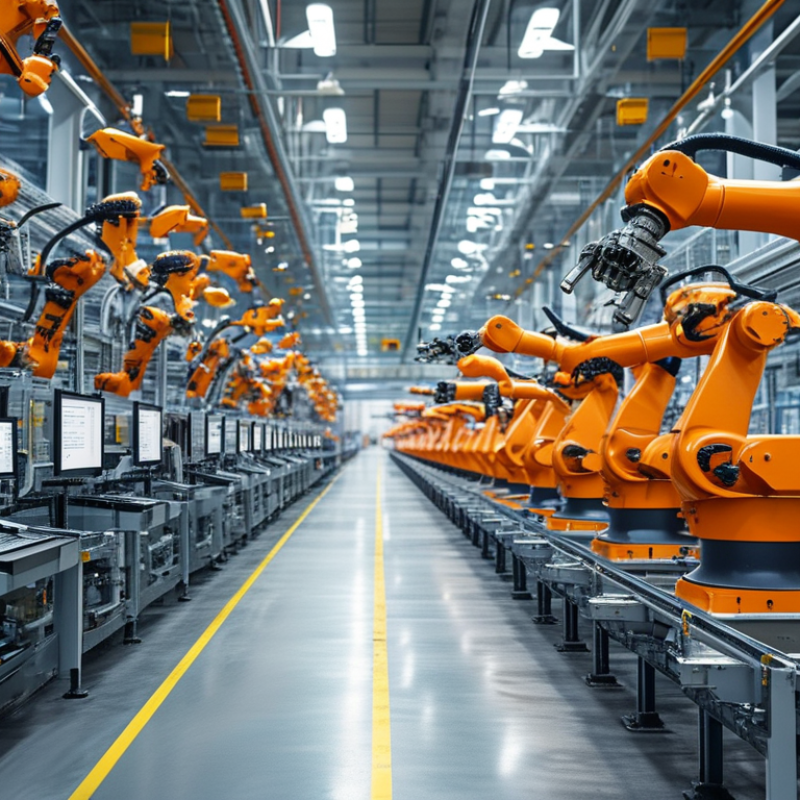
Robotic systems are becoming more integral in factories. These systems can perform repetitive tasks with precision. In 2021, approximately 2.7 million industrial robots were in use worldwide. This number is expected to grow. However, companies must consider workforce displacement. Training programs are essential to reskill employees.
The IoT allows machines to communicate and optimize performance. Sensors collect data in real-time, enabling predictive maintenance. According to a Deloitte report, smart factories utilizing IoT saw a 30% reduction in downtime. Yet, data security remains a concern. Protecting sensitive information is critical as automation expands. Adopting these technologies requires careful planning and reflection.
Advantages of Implementing Manufacturing Automation
Manufacturing automation is transforming industries across the globe. A report by McKinsey indicates that automation can boost productivity by up to 30%. This significant enhancement helps companies reduce costs while maintaining high-quality output. For instance, automated systems can operate 24/7, minimizing downtime and meeting increasing production demands.
Another advantage of automation lies in its ability to enhance safety. According to the National Safety Council, workplaces that utilize automated machinery experience a 30% reduction in injury rates. This is crucial in environments where human workers face hazardous conditions. Furthermore, automation can help in precise operations, which decreases the chance of human error.
However, implementing automation is not without challenges. Companies often face initial costs that can be daunting. Training staff on new technology is another hurdle. Although these challenges exist, the long-term benefits often outweigh the struggles. As industries pivot toward efficiency, embracing manufacturing automation presents an undeniable opportunity for growth and innovation.
Challenges and Considerations in Manufacturing Automation
Manufacturing automation presents various challenges that require careful consideration. One major challenge is the initial cost of implementation. Although automation can lead to long-term savings, the upfront investment in technology and infrastructure can be daunting for many businesses. Additionally, small manufacturers may struggle to allocate sufficient resources for automation without jeopardizing their operational stability.
Another consideration is the workforce transition. As machines take over repetitive tasks, there may be concerns about job displacement. Workers could feel threatened by new technologies. Companies must invest in training programs to help employees adapt. Upskilling is essential to keep a skilled workforce engaged and productive.
Data security is also a critical factor. Automated systems often rely on network connectivity, which can expose companies to cyber threats. Businesses must adopt robust cybersecurity measures to protect sensitive information. This involves regular system updates and employee training on best practices. Addressing these challenges head-on can pave the way for a successful automation journey in manufacturing.
Future Trends in Manufacturing Automation and Their Implications
Manufacturing automation is transforming industries rapidly. As of 2023, the global market for manufacturing automation is projected to reach $200 billion. This growth reflects the increased adoption of advanced technologies and digital solutions in manufacturing processes.
Companies are embracing automation to improve efficiency and reduce operational costs. However, challenges remain, such as workforce displacement and the need for upskilling staff to manage new technologies.
Future trends indicate a shift towards smart factories, driven by the Internet of Things (IoT) and artificial intelligence (AI). Research shows that smart manufacturing can enhance productivity by up to 30%.
Yet, with such advancements come concerns about cybersecurity and data privacy. As manufacturers integrate IoT devices, they must also reinforce their security measures to protect sensitive information.
There is a noticeable emphasis on sustainability in automation efforts. A recent report highlighted that 47% of manufacturers are prioritizing eco-friendly practices.
This shift not only addresses regulatory pressures but also appeals to a new generation of consumers. Balancing technological advancement with ethical considerations will be crucial. As companies navigate this landscape, continual adaptation and reflection on their methodologies will be key to sustainable success in automation.