2026 Top Industrial Controls Trends for Global Buyers?
As we approach 2026, the landscape of industrial controls is rapidly evolving. Global buyers must stay informed about key trends shaping this industry. The demand for enhanced automation and efficiency drives innovation in industrial controls. This shift transforms how businesses operate.
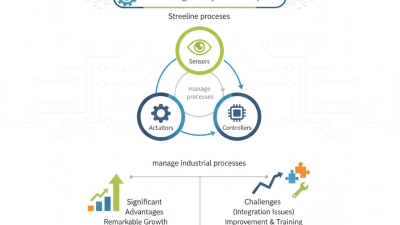
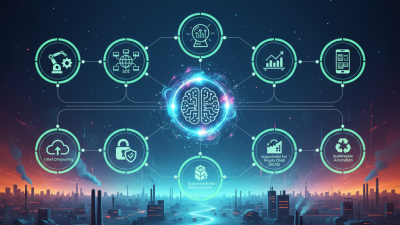
In recent years, companies have integrated advanced technologies into their operations. Cloud computing, artificial intelligence, and IoT are at the forefront. These technologies offer unprecedented capabilities, such as real-time monitoring and predictive maintenance. However, implementing these advancements requires a solid understanding of existing systems. The complexity of industrial controls can pose challenges for organizations.
Security remains a top priority. As systems become more interconnected, the risk of cyber threats increases. Buyers must prioritize solutions that not only enhance productivity but also ensure protection against vulnerabilities. Evaluating and choosing the right industrial controls will require diligence and careful consideration. The journey ahead is both exciting and uncertain, presenting opportunities for growth and reflection.

Emerging Technologies Shaping Industrial Controls in 2026
The landscape of industrial controls is evolving rapidly, influenced by various emerging technologies. As we approach 2026, we see a greater integration of artificial intelligence (AI) in industrial systems. AI is enhancing automation, enabling machines to learn from data. This leads to improvements in efficiency and predictive maintenance. Yet, the reliance on AI poses challenges. Companies must ensure robust cybersecurity measures to protect their systems from potential threats.
Another growing trend is the application of the Internet of Things (IoT) in industrial environments. IoT devices are becoming ubiquitous, collecting real-time data from machinery. This data provides valuable insights for decision-making. However, with increased connectivity comes the risk of data overload. Organizations need to develop strategies to analyze and utilize this information effectively. Striking a balance will be crucial.
Sustainability is also shaping the future of industrial controls. Companies are increasingly adopting green technologies to reduce their carbon footprint. Smart energy management systems are gaining traction, optimizing resource usage. Despite these advancements, the path to sustainability can be iterative and challenging. Organizations may struggle with initial investments and training employees in new technologies. As these issues arise, continuous adaptation and learning become essential for progress.
2026 Top Industrial Controls Trends
The Role of AI and Machine Learning in Industrial Automation
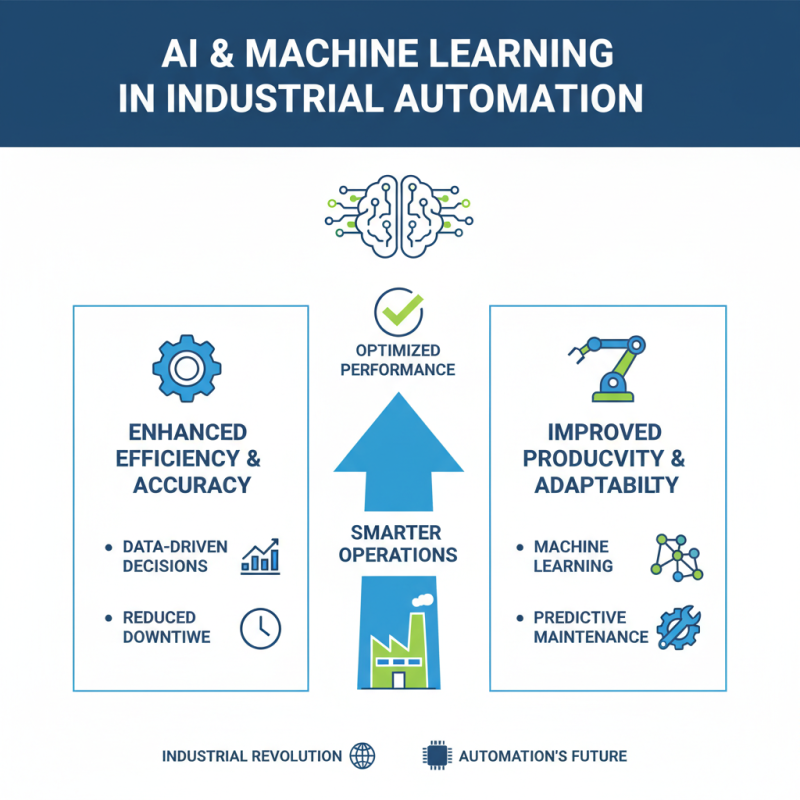
Artificial Intelligence (AI) and machine learning are revolutionizing industrial automation. These technologies enhance efficiency and accuracy in operations. With AI, machines learn from data, making informed decisions. This adaptability reduces downtime and improves productivity.
For instance, predictive maintenance is a key application. AI analyzes historical data to predict equipment failures. This minimizes unexpected breakdowns and extends machinery life. Companies are increasingly investing in AI for smarter operations. However, integrating AI into existing systems poses challenges. Some workers feel threatened by job displacement.
There’s also the issue of data quality. Garbage in, garbage out. AI systems require clean, accurate data to function properly. Organizations must establish robust data management practices. Mistakes here could lead to costly errors. Overall, the potential benefits of AI and machine learning in industrial settings are substantial, but careful implementation is essential.
Sustainability Trends Impacting Industrial Control Systems
Sustainability is reshaping industrial control systems. As regulations tighten globally, companies must adapt. Energy efficiency has become critical. Integrating renewable energy sources is now standard practice. Legacy systems often struggle with this transition. Upgrading these systems can reduce environmental impact significantly.
Implementing smart sensors can optimize energy use. These sensors provide real-time data. This data drives smarter decision-making. It also uncovers inefficiencies. Therefore, organizations must invest in training staff. Knowledge is vital for navigating these changes.
A tip for buyers: assess the sustainability criteria of potential suppliers. Research their commitment to eco-friendly practices. Look for certifications that demonstrate their efforts. Making informed choices can enhance overall system reliability. Always consider how technology can contribute to a greener operation. Strive for improvements while recognizing the challenges of integration.
Cybersecurity Challenges for Global Industrial Control Systems
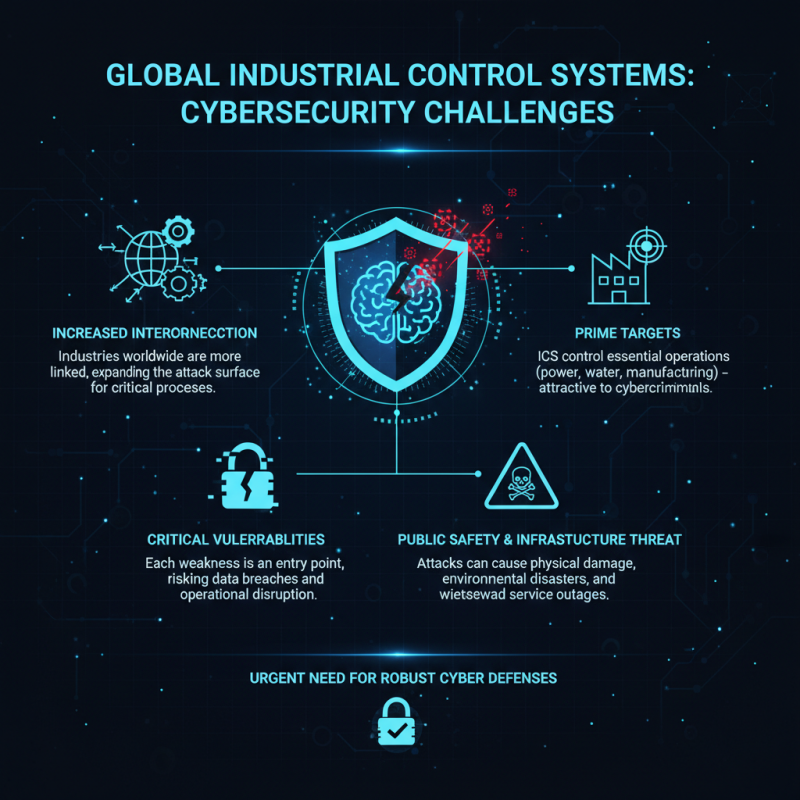
As industries grow more interconnected, cybersecurity remains a pressing concern for industrial control systems (ICS). These systems control critical processes, making them prime targets for cyberattacks. Each vulnerability poses a real threat not just to data, but to public safety and infrastructure. Cybercriminals increasingly exploit these weaknesses, launching attacks that can disrupt operations.
The increasing complexity of ICS environments adds to the challenge. Many organizations struggle to keep up with evolving threats. Employees often lack the necessary training to recognize potential risks. Data breaches and ransomware attacks have become common, underscoring the need for robust cybersecurity measures. Regular audits and updates are essential. Yet, many companies neglect these vital practices. The stakes are high, and complacency can be catastrophic.
Integrating advanced security protocols can mitigate risks. Employing intrusion detection systems and regular staff training are crucial steps. Yet, these measures require investment and commitment. Balancing security with operational efficiency remains a difficult task. Industry leaders must confront these challenges head-on. A proactive approach is essential in an increasingly digital world. The question arises: How can organizations ensure they are prepared for emerging threats? Continuous evaluation and adaptation of strategies will be vital for success.
Integration of IoT in Industrial Control Solutions for 2026
The integration of IoT in industrial control solutions is set to redefine the landscape in 2026. A recent report by MarketsandMarkets predicts that the IoT in the manufacturing market will grow from $79 billion in 2021 to $183 billion by 2026. This explosive growth signifies the increasing need for real-time data and analytics in industries.
IoT-enabled devices are facilitating seamless communication between machines and systems. A factory equipped with smart sensors can monitor equipment performance continuously. This capability allows for predictive maintenance, ultimately reducing downtime. A study by McKinsey shows that predictive maintenance can decrease maintenance costs by 20-25%. However, these technologies also come with challenges, such as data security and integration complexities.
Tips: Invest in employee training. Proper training ensures that your team can leverage IoT technologies effectively. Additionally, prioritize cybersecurity measures. The more connected your systems, the higher the vulnerability to cyber threats. Ensure that all devices are secure and that regular updates are made to systems. As industries evolve, staying ahead means adapting to the changing landscape, even if it requires difficult adjustments along the way.