Top 10 Automation and Control Systems Transforming Industries Today?
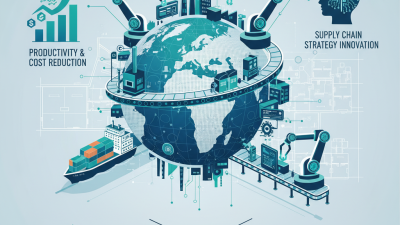
In today's rapidly evolving industrial landscape, automation and control systems play a pivotal role. A recent report from McKinsey indicates that automation could add $13 trillion to global GDP by 2030. This statistic underscores the transformative potential of these systems across various sectors. Industries are leveraging advanced technologies to enhance efficiency and reduce operational costs.
As businesses adapt to changing market demands, the implementation of automation and control systems has become essential. According to a study by Statista, the global market for industrial automation is expected to reach $296 billion by 2026. This growth highlights the increasing reliance on automated solutions for productivity and quality assurance.
However, the shift towards automation is not without challenges. Companies must navigate integration issues and workforce displacement concerns. While automation can streamline processes, it also requires a strategic approach to ensure balanced advancement. Understanding these dynamics is crucial for businesses aiming to harness the full potential of automation and control systems.
Key Trends in Automation and Control Systems Across Industries
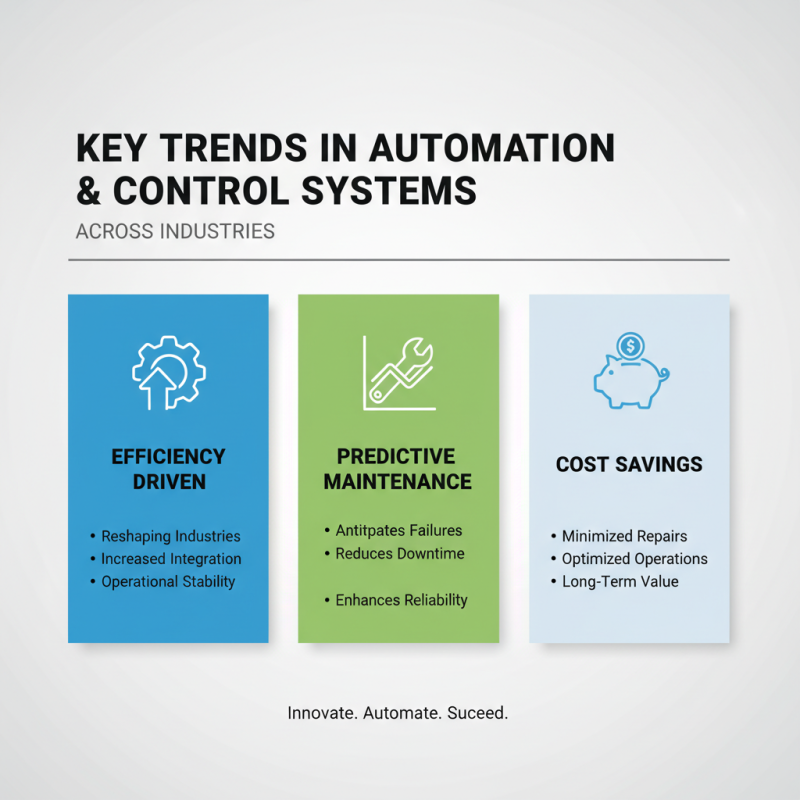
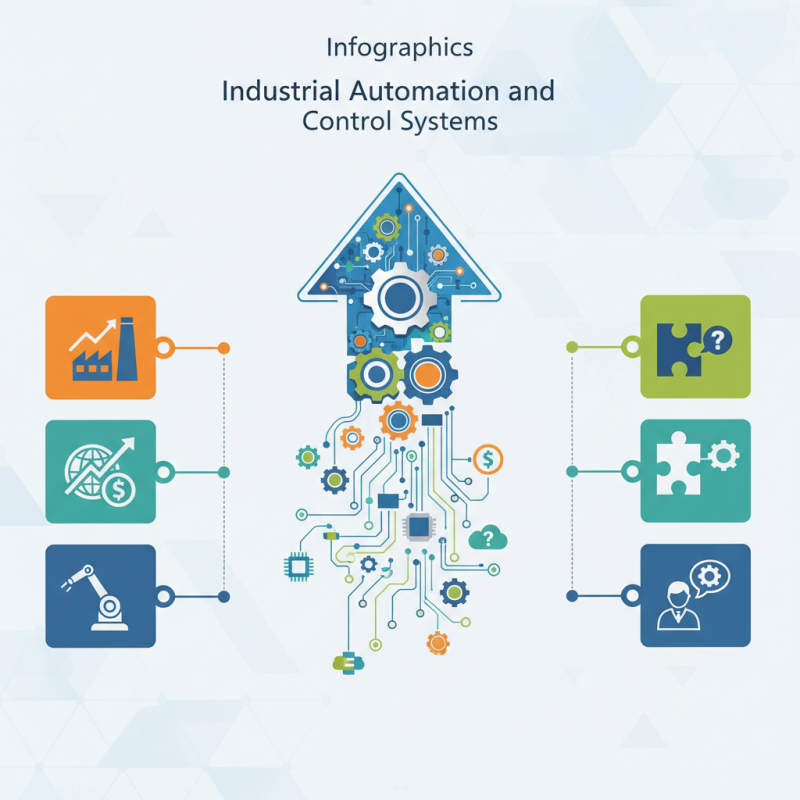
Automation and control systems are reshaping various industries today. As businesses strive for efficiency, these systems are being integrated into operations more than ever. Predictive maintenance, for instance, is a key trend. It reduces downtime by anticipating failures in machinery. This approach enhances operational stability and saves costs.
Data-driven decision-making plays a crucial role as well. Organizations leverage real-time data analytics to optimize processes. However, the reliance on data brings its own challenges. Ensuring data integrity and cybersecurity is vital. Many companies face struggles in these areas, indicating a need for continuous improvement.
Moreover, the shift towards sustainable practices is undeniable. Automation is helping reduce waste and energy consumption. Yet, the transition can be complex. Many industries must reconsider their old methods. Embracing automation involves a learning curve. Adapting to these changes requires time and investment. Marching forward, the balance between innovation and practicality remains an ongoing discussion.
Innovative Technologies Driving Automation Transformation
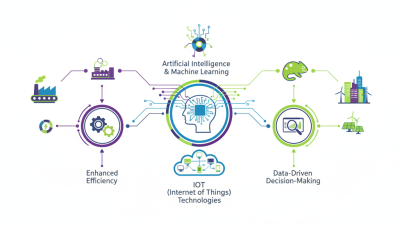
Automation is reshaping industries, driven by innovative technologies. The integration of artificial intelligence and machine learning enhances decision-making. These technologies analyze vast data, improve efficiency, and reduce human error. They enable smarter production lines and optimize resource management.
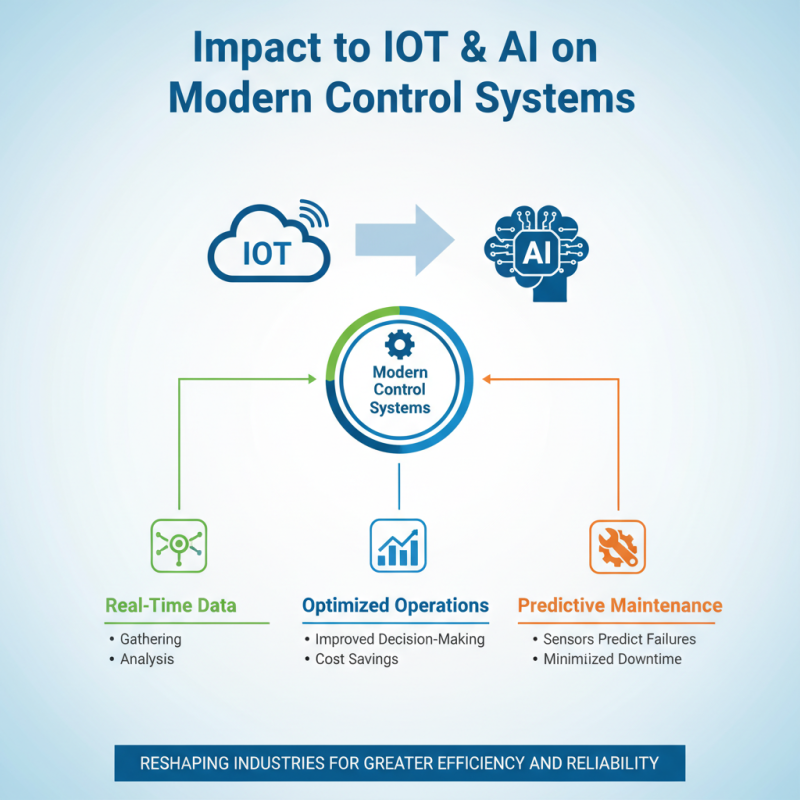
Another significant trend is the Internet of Things (IoT). Smart sensors and devices collect real-time data, creating interconnected systems. This connectivity allows for better monitoring and control of processes. Companies can predict maintenance needs, minimizing downtime. However, with increased reliance on IoT, cybersecurity risks rise, urging industries to rethink their safety protocols.
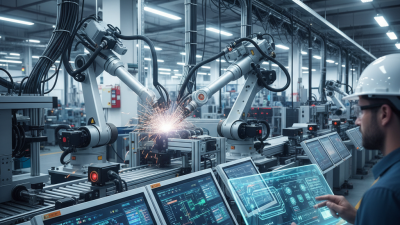
Robotics also plays a crucial role in automation. Advanced robotics can perform repetitive tasks with precision. While this efficiency boosts productivity, it presents challenges. Workforce displacement is a concern. Training and reskilling programs are needed to prepare workers for new roles. Reflecting on these changes is essential for a balanced approach to automation.
Case Studies of Industries Leveraging Automation for Efficiency
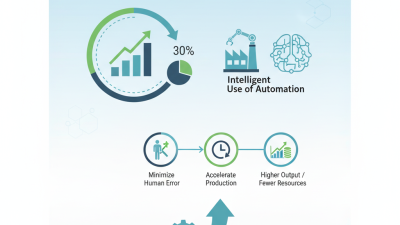
Industries today are witnessing a significant transformation driven by automation and control systems. For instance, the manufacturing sector has adopted advanced robotics, resulting in a 20% increase in productivity. A report from the International Federation of Robotics shows that companies integrating automation enjoy reduced operational costs, sometimes by as much as 30%. This shift enables firms to allocate resources more efficiently and focus on innovation.
Healthcare is another sector reaping the benefits of automated systems. Hospitals are implementing automated patient management systems, resulting in a decrease in administrative errors. According to a study by the Health Information and Management Systems Society, automation can streamline operations and enhance patient care. However, some facilities struggle with system integration, leading to inconsistent data flows and inefficiencies in care delivery.
The energy industry embraces automation for optimizing grid management. The Global Smart Grid Federation reports that smart grid technologies can reduce outages by up to 20%. Nonetheless, the reliance on these automated solutions raises concerns about cybersecurity. Vulnerabilities can expose critical infrastructure to potential threats. Industries must take a cautious approach, balancing efficiency gains with the need for robust security measures.
Future Prospects of Automation and Control in Global Markets
The future of automation and control systems holds great promise for industries worldwide. As technology evolves, we see significant improvements in operational efficiency and flexibility. Factories are increasingly leveraging smart sensors and AI-powered platforms. These innovations streamline processes and reduce downtime, but they also present challenges. Companies must adapt their workforce to new technological demands.
Moreover, the global market for automation is projected to grow substantially. Industries such as manufacturing, energy, and healthcare are investing heavily in automation. This shift could drive the need for new skills in the workforce. However, there is a risk of job displacement for some roles. It's essential to address these potential downsides to foster a more inclusive transition.
Collaboration between technology providers and businesses can help solve these issues. Training programs will be crucial in equipping employees with necessary skills. Industries must embrace this change while being mindful of its impacts. A balanced approach can ensure that automation benefits both companies and workers.