Why Is My Forklift Actuator Failing?
A failing Forklift Actuator can turn a routine lift into a slow, unstable, and potentially unsafe operation. In practical inspections, the warning signs often appear before complete failure. The forks may rise unevenly, stop under load, or drift downward after the control lever returns to neutral. You might also notice hydraulic fluid around a seal, unusual clicking, or a warmer actuator housing than normal. Small clues matter.
I have seen technicians replace an actuator too quickly, only to find a damaged hose, contaminated fluid, or a weak pump caused the problem. That assumption wastes time and hides the real fault. A careful diagnosis begins with the forklift’s service history, operating conditions, and manufacturer specifications. Check fluid levels, leaks, mounting points, electrical connections, and control valves before removing major components. Pressure testing should follow approved procedures and use calibrated equipment. Never rely only on sound or appearance.
This guide examines why a Forklift Actuator may fail, including seal wear, overloads, corrosion, misalignment, and poor maintenance. It also considers symptoms that can look similar but require different repairs. The exact cause is not always obvious. A dusty warehouse, repeated side-loading, or neglected lubrication may quietly shorten component life. By combining field observations with reliable service information, operators and maintenance teams can make safer decisions and avoid replacing the wrong part. Some diagnoses remain uncertain until testing confirms them. That is worth remembering.
What a Forklift Actuator Does and Why It Matters
A forklift actuator converts electrical, hydraulic, or pneumatic input into controlled movement. In practical terms, it may raise a mast, tilt a carriage, or position an attachment. This small component carries serious responsibility. Without accurate actuator movement, loads can drift, stop unevenly, or respond too slowly. That affects productivity and operator control. The actuator does not work alone. Sensors, wiring, valves, seals, and the control system influence its performance. Keep that in mind.
A failing actuator often gives visible clues. You may hear clicking, feel jerky motion, or notice a delayed response. Hydraulic units can leave oil near seals, while electric units may overheat or lose position. Uneven lifting can also indicate contamination, low fluid, damaged wiring, or excessive load. Do not assume the actuator is always the root cause. A loose connector can create similar symptoms. That mistake wastes time and hides deeper safety problems. Check the service manual, rated load, fluid condition, electrical connections, and mounting points. Use proper lockout and load-support procedures before inspection.
Routine care improves reliability. Inspect rods for scoring and corrosion. Watch for seal damage, abnormal heat, and loose fasteners. Record response times and unusual sounds during scheduled checks. Small changes matter. A clean connector may prevent intermittent faults, but cleaning cannot repair internal wear. If movement remains unstable, qualified maintenance personnel should test pressure, voltage, current draw, and sensor feedback. The correct test depends on actuator design. Diagnosis is not always obvious. Examine the complete movement system before approving replacement.
Common Signs of a Failing Forklift Actuator
A failing forklift actuator often gives small warnings before it stops working. The first sign may be slower lifting, uneven movement, or a brief hesitation near the top of the mast. You might also hear a clicking, grinding, or strained humming sound during operation. It starts quietly. Pay attention to changes from the normal machine response.
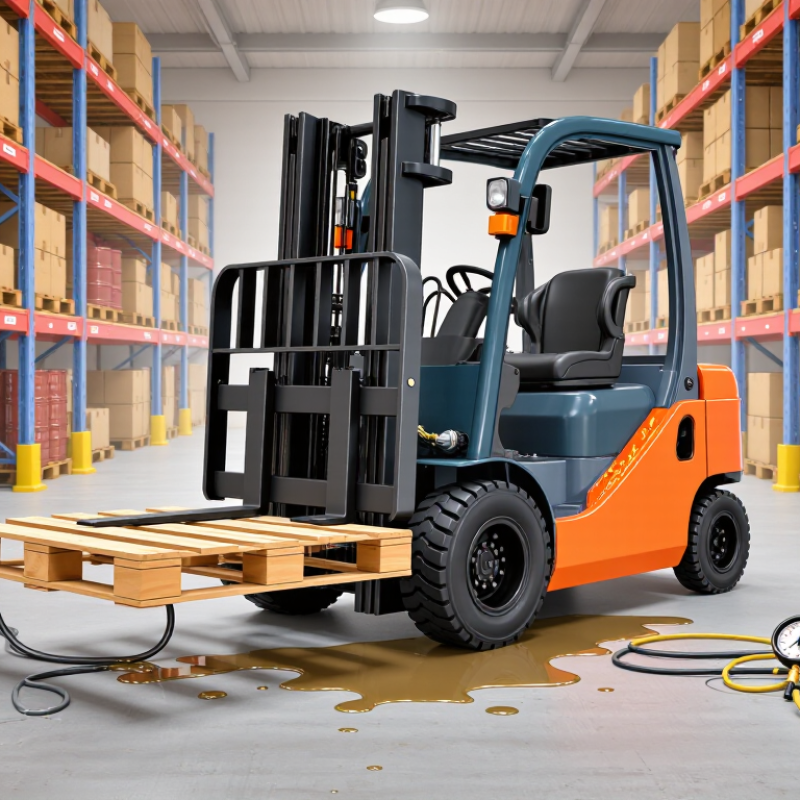
Fluid around the actuator rod is another important warning. A thin oily film can indicate a damaged seal, while thicker leakage may collect on the floor or frame. Watch for a load that gradually lowers after the controls are released. This can suggest internal pressure loss, even when no leak is visible. In practical inspections, I have seen operators blame the hydraulic pump too quickly. That assumption can waste time. The actuator, hose, valve, and connections should be checked together.
Jerky movement deserves immediate attention. It may result from trapped air, contaminated fluid, a bent rod, or worn internal parts. Inspect the rod for scratches, rust, and unusual side loading. Check whether the actuator temperature rises faster than usual after a short work cycle. Do not ignore it. A weak actuator can make the load unstable and increase stopping distance during handling. Record the symptom, load weight, operating temperature, and timing. Small details often reveal a pattern, although one inspection may not identify the exact fault.
Main Causes of Forklift Actuator Failure
Why Is My Forklift Actuator Failing?
Main Causes of Forklift Actuator Failure
A forklift actuator may fail because of hydraulic leaks, worn seals, electrical faults, or excessive mechanical load. Small leaks often appear near fittings before performance drops. The forks may then move slowly, unevenly, or stop under pressure. Contaminated hydraulic fluid can scratch internal surfaces and damage valves. Dust, water, and metal particles are common warning signs. In electric actuators, loose wiring, weak connections, and overheated motors can create similar symptoms. I have seen operators blame the actuator when a bent linkage caused the real problem. That mistake can lead to unnecessary replacement.
Tips: Check fluid levels, wiring, mounting bolts, and visible leaks during each inspection. Listen for grinding, buzzing, or unusual clicking. Compare movement under a normal load, not an unsafe overload. Keep the actuator clean and protect exposed rods from impact damage. Record when the fault appears, including temperature, load, and travel speed. This detail helps a qualified technician identify the cause faster.
Poor alignment is another frequent cause. A side-loaded actuator works harder than designed and may wear seals quickly. Repeated overloading can bend components or weaken internal parts. Heat also matters. Long operating cycles can thin hydraulic fluid and reduce lubrication. Maintenance schedules are useful, but they are not perfect. A dusty warehouse, harsh temperatures, or frequent short trips may require more frequent checks. Stop using the forklift if movement becomes unpredictable, and arrange a professional inspection before the failure becomes more expensive.
How to Diagnose the Actuator Step by Step
Why Is My Forklift Actuator Failing?
How to Diagnose the Actuator Step by Step
Start with the symptom, not the replacement part. Record whether the actuator moves slowly, stops under load, leaks, or makes unusual noise. Check the forklift’s maintenance history and operating conditions. A warm hydraulic system can reveal faults hidden during a cold inspection.
Park on level ground, lower the forks, switch off power, and follow the approved isolation procedure. Never place hands near a moving mechanism. Inspect the actuator rod for scoring, rust, or a bent profile. Look for fresh oil around seals, fittings, and hose connections. Even a thin oil film matters.
Next, check the fluid level and filter condition. Contaminated fluid may restrict movement or damage internal components. Use the service manual to verify supply pressure and electrical values. A multimeter can test command voltage, while a suitable pressure gauge can confirm hydraulic output. Compare readings with specified limits, not guesses. If power reaches the actuator but movement remains weak, inspect the valve and internal seals. If no command reaches it, trace the switch, wiring, fuse, and controller. Do not bypass safety interlocks.
Diagnosis is rarely perfect. A failed actuator may be the result, not the original cause. Record each test, temperature, load, and reading. When evidence conflicts, stop and request assessment from a qualified technician. Replacing parts too early can hide a pressure, alignment, or control fault.
Why Is My Forklift Actuator Failing?
How to Diagnose the Actuator Step by Step
How to read the chart: Start with the electrical supply, then test the control signal, coil resistance, hydraulic pressure, and mechanical movement. A failed result at any stage can prevent the actuator from extending or retracting. Always compare measurements with the forklift manufacturer's service specifications before replacing parts.