
How Can We Help You?

What Is Food Wrapping Paper Made Of?

What Is Food Wrapping Paper Made Of?

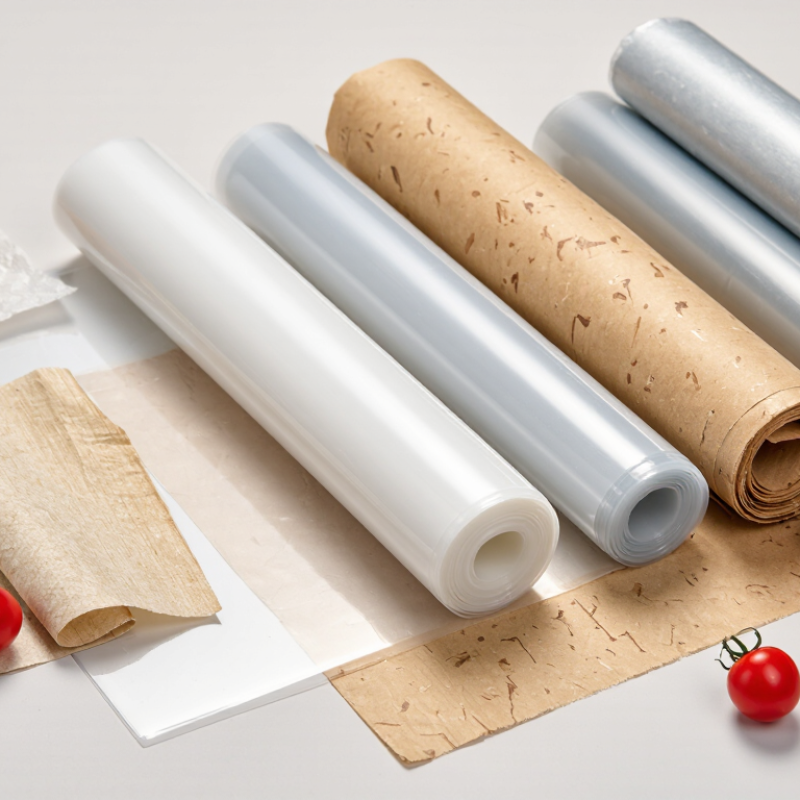
Food Wrapping Paper looks simple, but its structure can be surprisingly complex. The base is often paper made from virgin or recycled wood fibers. Some products use grease-resistant fibers, while others add coatings for stronger protection. These coatings may include wax, polyethylene, silicone, or plant-based materials. Each option changes the paper’s feel, performance, recyclability, and food-contact suitability.

Packaging expert Walter Soroka defines packaging as “the science, art, and technology of enclosing and protecting products.” That principle explains why Food Wrapping Paper is rarely just ordinary paper. A wrapper must resist oil from fried food, moisture from fresh produce, and heat from baked items. It may also need to prevent odors, stains, or direct contact with printing ink. Small details matter.

Material choice is not always obvious. A paper-coated wrapper may block grease well, yet its coating can complicate recycling. Recycled fibers may reduce demand for virgin resources, but they require careful control for food-contact use. There is no perfect material for every meal. That answer feels untidy, but it is more accurate.

Manufacturers should test strength, chemical migration, temperature resistance, and barrier performance. Buyers should also check product specifications, not only attractive “eco-friendly” claims. In practice, the safest and most responsible choice depends on the food, packaging process, disposal system, and intended shelf life. Sometimes the wrapper is the smallest part of the decision.
What Is Food Wrapping Paper Made Of?

What Is Food Wrapping Paper?

Food wrapping paper is paper designed to touch, cover, or separate food. It usually begins with wood-based cellulose fibers. These fibers are pressed into thin sheets, then treated for strength and cleanliness. Some papers remain uncoated. Others receive wax, silicone, or a thin plastic layer.

The coating changes the paper’s behavior. Greaseproof paper helps resist oil from pastries and fried foods. Parchment-style paper tolerates oven heat when its instructions allow it. Waxed paper repels moisture but should not automatically go into an oven. Some wrapping papers also contain recycled fibers, though food-contact layers must meet applicable safety requirements.

The phrase sounds simple, but it hides an important detail. “Food wrapping paper” does not describe one single material. I check the package label before wrapping cheese, sandwiches, or warm food. A sheet can look clean and still be unsuitable for direct contact. Heat, acidity, and oily foods may affect different coatings. Compostable claims also need careful reading, because coatings and local facilities vary. I once assumed thinner paper was less protective; that was not always true. Fiber density and coating quality mattered more. Even familiar paper deserves a second look.

Key Materials Used in Food Wrapping Paper

What Is Food Wrapping Paper Made Of?

Key Materials Used in Food Wrapping Paper

Food wrapping paper usually begins with cellulose fibers from processed wood pulp. These fibers create the sheet’s strength, foldability, and familiar paper texture. The paper may be bleached or unbleached, depending on its intended appearance and use. Thin sheets suit sandwiches, while heavier grades handle baked goods and oily foods better.

Paper alone absorbs moisture and grease quickly. Manufacturers therefore add barrier materials. Wax can improve moisture resistance and produce a smooth, slightly glossy surface. Polyethylene coatings provide stronger protection against water and oil. Some newer papers use water-based coatings or compostable biopolymers, such as polylactic acid. Performance depends on heat, storage time, and the food’s moisture level. Small differences matter.

Aluminum layers sometimes appear in laminated wrapping structures. They block light, oxygen, and odors, but they can complicate recycling. A practical quality check includes rubbing the paper, folding it, and observing whether the coating cracks. Food-contact testing also examines chemical migration under expected conditions. Regulations differ between markets, so documentation must match the final application. No material is perfect. A paper package may look environmentally friendly but still contain a difficult-to-separate barrier layer. Even compostable coatings need suitable processing facilities. This point is often overlooked.

How Food Wrapping Paper Is Manufactured

What Is Food Wrapping Paper Made Of?

How Food Wrapping Paper Is Manufactured

Food wrapping paper usually begins with wood pulp, recycled fiber, or a blend of both. Mills mix fibers with water, then refine them into a smooth suspension. The mixture passes over a moving screen, where water drains away. Heated rollers remove remaining moisture and create the paper sheet. According to FAOSTAT forestry data, global paper and paperboard production remains close to 400 million tonnes annually. This scale explains the industry’s focus on lighter, stronger materials.

Manufacturers then improve the sheet for real food contact. Grease-resistant paper may receive a mineral coating, water-based treatment, or thin barrier layer. Some papers use polyethylene or bio-based coatings, depending on performance and recycling requirements. Converters print approved inks, dry the surface, and cut rolls into sheets or folded formats. Smithers’ food-packaging research identifies barrier performance and fiber-based design as major development priorities through the decade. However, “recyclable” depends on local collection systems. That detail is often overlooked. Factory trials also reveal imperfections, such as uneven coating weight, curling edges, or weak seals.

Tips: Check the paper’s intended food-contact use. A bakery liner may resist grease, but it may not hold hot liquids. Ask suppliers for migration testing, basis weight, coating details, and certification documents. Store rolls in a dry room. Moisture can distort the sheet before production even begins.

What Is Food Wrapping Paper Made Of? - How Food Wrapping Paper Is Manufactured
Manufacturing Stage Material or Process Typical Composition or Specification Purpose in Food Wrapping Important Food-Contact Considerations
1. Fiber Preparation Cellulose fiber Bleached or unbleached wood-pulp fibers; some grades may include recycled fiber where food-contact regulations permit Provides the basic structure, strength, foldability, and printability of the paper Food-contact grades require controlled raw materials and must meet applicable migration and hygiene requirements
2. Pulp Slushing Water-based fiber suspension Cellulose fibers are dispersed in water to form a dilute pulp slurry before sheet formation Allows the fibers to distribute evenly and form a uniform paper web Process water quality and cleanliness affect the consistency and safety of the finished paper
3. Sheet Formation Paper-machine forming section Water is drained from the slurry on a moving forming fabric, leaving an interlocking wet fiber mat Creates the continuous paper sheet Fiber orientation and formation influence tensile strength, tear resistance, and handling performance
4. Pressing and Drying Mechanical pressing and heated-cylinder drying Excess water is removed mechanically and then by controlled evaporation Builds sheet strength and brings the paper to a stable moisture level Excessive heat or uneven drying can cause curling, brittleness, or dimensional instability
5. Paper Calendering Roll pressing and surface finishing Paper passes through polished rolls to adjust smoothness, thickness, density, and gloss Improves wrapping performance, surface appearance, and coating uniformity Higher density can improve grease resistance but may reduce bulk and absorbency
6. Greaseproof Treatment Highly refined cellulose structure Dense, highly beaten fibers create small pores without requiring a separate plastic coating Helps resist the penetration of oils and fats in bakery and snack applications Grease resistance depends on fiber refining, sheet density, basis weight, and the specific food contact
7. Parchment Treatment Regenerated cellulose surface Paper may be treated with sulfuric acid and then thoroughly washed and dried to create parchment-like properties Produces a stronger, smoother, and more grease-resistant sheet suitable for baking and food wrapping Acid treatment is an industrial process; residual chemicals must be controlled within applicable limits
8. Wax Coating Paraffin wax or other approved wax blends Wax is applied as a thin layer by coating, curtain application, or heated impregnation Improves moisture resistance, grease resistance, release properties, and foldability Wax-coated paper is generally intended for suitable cold or moderate-temperature uses, not direct contact with every hot food
9. Polymer Coating Polyethylene or another approved polymer A thin polymer film is extrusion-coated or laminated to one or both sides of the paper Provides stronger barriers against water, grease, and liquid leakage Use temperature, food type, coating thickness, and recycling infrastructure determine suitability
10. Silicone Coating Food-contact silicone release coating A very thin silicone layer is cured on paper, commonly for baking and non-stick applications Provides release performance and helps prevent dough, confectionery, or oily foods from sticking Silicone-coated paper should be used according to the supplier’s stated temperature and food-contact limits
11. Printing and Surface Treatment Water-based or other approved printing inks Graphics may be printed on the non-food-contact side; coatings or varnishes may be added for protection Provides product information, handling instructions, and visual identification Ink set-off and migration must be controlled, especially when printed surfaces can contact food indirectly
12. Slitting and Converting Roll cutting, sheet cutting, folding, or forming Large master rolls are converted into rolls, sheets, bags, interleaving sheets, or formed wraps Creates the required dimensions and packaging format Clean equipment, controlled dust, and proper storage help prevent contamination during conversion
13. Quality Testing Physical and barrier testing Common tests include basis weight, thickness, tensile strength, tear strength, Cobb water absorption, and grease resistance Confirms that the wrapping paper performs consistently during filling, wrapping, storage, and transport Results should be evaluated against the intended food, contact duration, temperature, and regulatory requirements
14. Finished Product Paper-based food wrapping material May be uncoated, greaseproof, parchment-style, wax-coated, polymer-coated, or silicone-coated Protects food from handling, surface contamination, grease, moisture, light, or limited oxygen exposure, depending on construction No single wrapping paper provides every barrier; the correct structure depends on the food and intended storage conditions

How Coatings Affect Food Wrapping Paper

What Is Food Wrapping Paper Made Of?

How Coatings Affect Food Wrapping Paper

Food wrapping paper usually starts with cellulose fibers from wood pulp. The base sheet provides strength and printability. Coatings then control how the paper meets food. Wax improves moisture resistance. Polymer layers block grease and oxygen. Water-based dispersions can support heat sealing with less plastic content.

The coating often decides real-world performance. A sandwich wrapper must resist oil from cheese and sauces. A bakery sheet needs release properties and stable contact with warm food. Smithers’ report, The Future of Functional and Barrier Coatings for Paper and Board to 2028, identifies moisture, grease, and oxygen barriers as major technical requirements. These layers can also slow repulping. The awkward part is simple: paper does not become sustainable automatically.

Coating selection needs practical testing. Place a hot, oily food sample on the sheet. Check leakage, odor transfer, stiffness, and fiber separation afterward. A heavier barrier may protect food better, yet create more recycling challenges. FAO’s 2019 State of Food and Agriculture reported that 14% of food is lost between harvest and retail. Better wrapping may help reduce damage, but the coating must not create avoidable waste. CEPI reported a European paper recycling rate of 79.3% in 2023. That figure is encouraging, but coated food papers can perform differently in local mills. Testing matters more than optimistic labels.

Food Safety and Environmental Considerations

What Is Food Wrapping Paper Made Of?

Food wrapping paper usually begins with plant-based cellulose fibers from wood or recycled paper. Its final performance depends on thickness, fiber strength, moisture, and grease resistance. Some papers remain uncoated for dry foods, while others receive wax, polyethylene, or water-based barriers. These layers help prevent leaks, but they also affect recyclability. A wrapper that feels like paper may contain a thin plastic film.

Food safety requires more than a clean appearance. The material should be designed for direct food contact and tested for migration under expected conditions, including heat, oil, moisture, and storage time. Strong odors, ink on the food-facing side, or damaged coatings deserve caution. I have found that shoppers often trust “natural” wording too quickly. That label alone does not prove safety or compostability. Certification, supplier documentation, and clear use instructions provide stronger evidence.

Tips: Match the wrapper to the food. Use uncoated paper for dry bread or pastries, and choose a tested barrier paper for oily foods. Do not heat coated wrapping unless its instructions allow it. Keep wet foods away from paper designed only for dry use. For disposal, check local recycling guidance because coatings and food residue can change the correct route. Environmental performance is not simple. A recyclable paper may fail when heavily contaminated, while a durable coated sheet may prevent food waste. The better choice depends on the entire use cycle.