What is a Vertical Expander Machine and How Does it Work?
In today's manufacturing landscape, the demand for efficient metal forming solutions is soaring. Among these, the Vertical Expander Machine stands out for its unique capabilities. According to a recent report by the International Association for Metal Forming, the market for expanding machines is expected to grow by 8% annually. This increasing demand highlights the importance of understanding how these machines operate.
Expert Paul Driscoll, a leader in metal fabrication technology, states, "Vertical Expander Machines optimize production by enhancing efficiency and precision." This statement encapsulates the core benefits of the technology. These machines not only save time but also significantly reduce material waste, which is a growing concern in an eco-conscious world.
Yet, despite their advantages, the Vertical Expander Machine is not without challenges. Industry professionals often struggle with maintenance and operational complexities. Therefore, exploring the inner workings of these machines is crucial. Embracing both their potential and the issues they present will lead to informed decisions and better outcomes in metal forming processes.
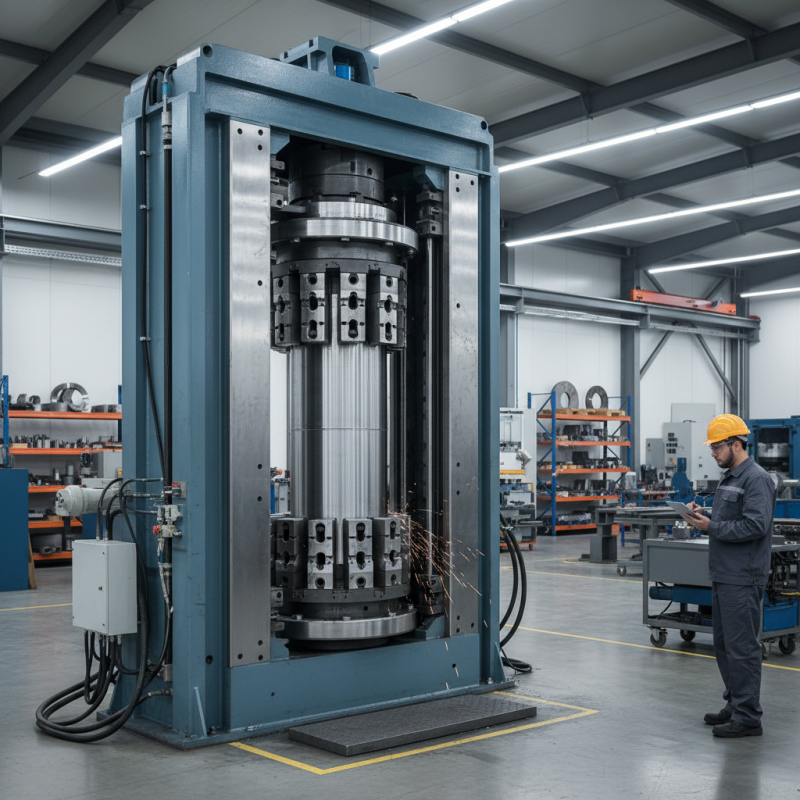
What is a Vertical Expander Machine?
A vertical expander machine is an essential tool in various manufacturing processes. It is primarily designed to enlarge the diameter of cylindrical materials, often used in industries like aerospace, automotive, and construction. This machine operates by applying controlled pressure, which expands the material uniformly, ensuring the right dimensions are achieved.
The working principle of a vertical expander machine centers on its hydraulic or pneumatic systems. These systems provide the necessary force to expand materials without compromising their integrity. Operators must be skilled to monitor pressure levels closely, as insufficient pressure can lead to improper expansion. Conversely, excessive pressure might cause material failure or defects.
Using a vertical expander machine requires an understanding of material properties and the design goals of the task. Mistakes often occur during the initial setup, where dimensions can be miscalculated. Regular maintenance and operator training are critical to mitigating these errors. Reflecting on practices can improve efficiency and accuracy, enhancing overall production quality.
Performance Metrics of Vertical Expander Machines
Key Components of a Vertical Expander Machine
A vertical expander machine is used primarily in applications involving the densification of materials. It helps to create a denser product by utilizing vertical space effectively. The key components of this machine play a significant role in its functionality and efficiency.
One crucial part is the vertical chamber, where the material is fed. The chamber's design allows for gravitational settling, enabling the expansion process. Another important component is the screw mechanism. This mechanism helps in moving the material upwards while also compressing it. The adjusted speed of the screw ensures consistent output.
The control system also deserves attention. It monitors the operation, providing feedback for optimal performance. Users often struggle with tuning the settings correctly, which affects output. Materials can behave unpredictably, sometimes causing blockages. Regular maintenance is essential to keep the machine operating smoothly. Each component must work in harmony to achieve desired results. Understanding each component helps users improve their operations.
How a Vertical Expander Machine Operates
A Vertical Expander Machine is designed to enhance material processing efficiency through an innovative mechanism. It operates primarily by stretching materials vertically. The machine's mechanics involve a series of rollers and belts that grip the material. This ensures controlled tension, allowing for uniform expansion. The tension is crucial for achieving the desired material properties.
During operation, the materials are fed into the machine. As they enter, they pass through rollers that apply precise force. This results in the stretching of the materials, which can produce thinner and more flexible outputs. The process requires careful calibration. Improper tension can lead to inconsistent results, affecting quality.
Operators must monitor various parameters, including speed and tension. Real-time adjustments can help maintain optimal performance. However, there are challenges. Uneven material feeds or wear in components can disrupt operations. Regular maintenance and inspections are needed to ensure reliability. This ongoing need for awareness highlights the complexities involved in effective operation.
Applications of Vertical Expander Machines
Vertical expander machines are essential in various industries. Their design allows for efficient handling of large materials. These machines expand and compress materials, making them easier to transport and process. Their versatility means they are used in many fields, including construction, manufacturing, and recycling.
In construction, vertical expanders assist in the preparation of materials. They ensure that large clumps of soil or aggregate are managed effectively. This helps streamline operations on job sites. In manufacturing, these machines can prepare different materials for further production. They enhance material flow and improve overall efficiency. The recycling sector benefits from vertical expanders too. They help break down materials, making recycling processes smoother.
Tips: Regular maintenance of vertical expanders is crucial. Check for wear and tear. Ensure that all components are functioning well. This can prolong the machine's lifespan. Always follow safety guidelines when operating these machines. Understanding the equipment better leads to safer practices. Consistent training for operators enhances skills and ensures efficient use of the machine.
Benefits of Using Vertical Expander Machines in Industry
Vertical expander machines are invaluable tools in various industrial applications. They enhance the properties of materials, making them more suitable for production processes. One significant advantage of these machines is their ability to increase the material's strength without adding weight. This is crucial in sectors like aerospace and automotive, where weight reduction is essential for efficiency.
Using vertical expander machines also promotes improved work efficiency. They can process materials quicker than traditional methods, reducing overall production time. The result is a faster turnaround on products, allowing businesses to meet increasing demands. Moreover, they lead to fewer defects in materials, which means lower rejection rates during quality control.
Tips: Regular maintenance is key. Ensure that parts are lubricated and free from debris. Also, training staff on proper operation techniques can greatly enhance output quality.
Another noteworthy benefit is the flexibility these machines offer. They can handle a variety of materials and shapes, catering to diverse industry needs. It's essential to conduct thorough research on the types of materials best suited for vertical expansion. Ineffective use may lead to unexpected results.