
How Can We Help You?

2026 Top JS Twin Shaft Concrete Mixer Types?

Choosing among the 2026 Top Js Twin Shaft Concrete Mixer Types requires more than comparing output ratings. A mixer may promise 120 cubic meters per hour, yet perform poorly with stiff, fiber-reinforced concrete. Real performance depends on mixing intensity, shaft speed, paddle design, moisture control, and maintenance access.

Concrete technology expert Dr. S. H. Kosmatka has repeatedly emphasized a central principle: “Uniform mixing is essential for uniform concrete.” This idea remains highly relevant when evaluating a Js Twin Shaft Concrete Mixer. A well-designed unit should distribute cement, sand, aggregates, water, and admixtures evenly, without leaving dry pockets near the discharge gate. Small details matter. Inspect the wear plates. Check the shaft seals. Watch the first batch.

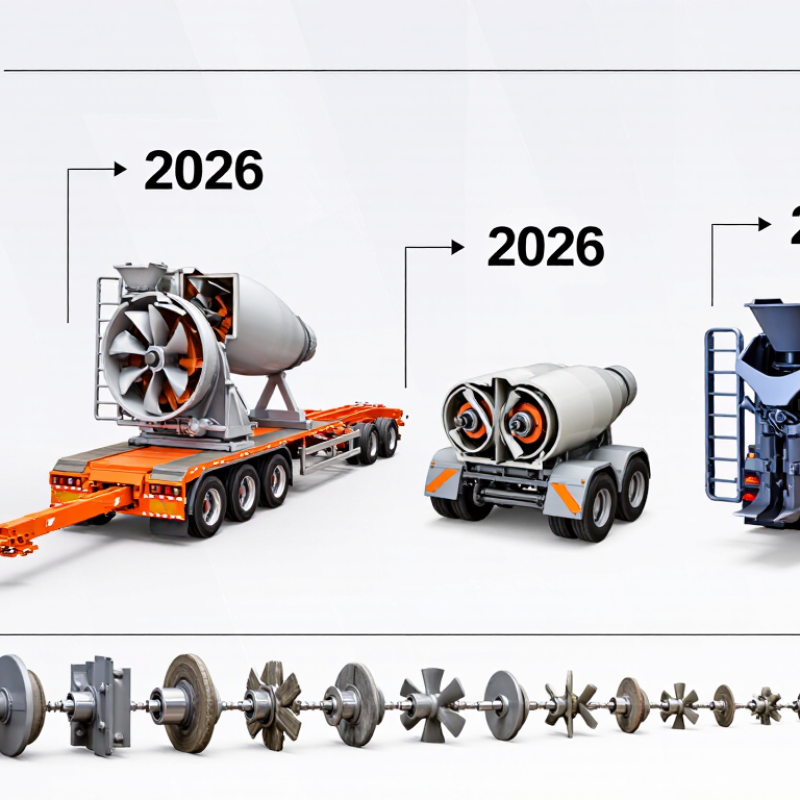
The leading types for 2026 may include stationary production mixers, mobile mixing units, compact models, and heavy-duty systems for demanding aggregates. Stationary machines suit precast plants and large batching facilities. Mobile versions support infrastructure projects where relocation saves time. Compact designs fit restricted sites, although their smaller charging capacity can limit peak output. Heavy-duty models handle abrasive stone, but their liners and paddles need disciplined inspection.

The difficult part is selecting the “best” type. There is no universal winner. Some specifications look impressive on paper. Field conditions often disagree. Buyers should compare verified capacity, cycle time, power consumption, spare-parts access, operator safety, and after-sales support. A practical test with the intended mix is still more convincing than a brochure. And yes, even an excellent mixer can disappoint when calibration is neglected.
2026 Top JS Twin Shaft Concrete Mixer Types?

What Is a JS Twin Shaft Concrete Mixer?

A JS twin shaft concrete mixer is a forced-action machine with two horizontal shafts inside a steel mixing chamber. Each shaft carries paddles that rotate in opposite directions. This movement lifts, folds, and pushes materials through the chamber instead of relying on gravity alone. Cement, water, sand, and coarse aggregate can spread more evenly in a short cycle.

The JS designation commonly refers to a twin shaft mixer series, not a single universal machine size. Different models may serve batching plants, precast yards, or smaller construction sites. Large units suit continuous production demands, while compact versions require less space and simpler material feeding. In daily operation, operators should check paddle wear, shaft seals, discharge gates, and lubrication points. Small leaks become expensive problems.

A well-adjusted mixer leaves fewer dry pockets around the paddles. It also handles stiff mixes better than many ordinary drum mixers. However, performance depends on loading order, moisture control, mixing time, and maintenance discipline. I have seen good equipment produce poor concrete after rushed calibration. That part is easy to overlook.

The chamber should not be overloaded. Excessive filling restricts paddle movement and increases motor load. Regular inspections help maintain consistent batches and safer operation. For 2026 equipment selection, compare usable capacity, motor power, liner material, cleaning access, and spare-part availability rather than focusing only on output figures. конусан

2026 Top JS Twin Shaft Concrete Mixer Types? – What Is a JS Twin Shaft Concrete Mixer?
JS Twin Shaft Concrete Mixer Overview and Typical Types
Type Nominal Discharge Volume per Batch Typical Theoretical Output Typical Main Drive Configuration Approximate Mixing Cycle Typical Aggregate Size Common Application Key Characteristics
A JS twin shaft concrete mixer is a horizontal, forced-action mixer that uses two counter-rotating shafts fitted with mixing arms and paddles. The paddles create strong turbulence and material exchange, helping produce a uniform mixture of cement, water, aggregates, and admixtures. “JS” is commonly used as a model-series designation for twin-shaft forced mixers; exact specifications can vary by manufacturer and configuration.
JS500 0.50 m³ Approximately 25 m³/h About 2 × 18.5 kW Approximately 30–60 seconds Up to about 80 mm Small batching plants, precast components, rural and commercial construction Compact footprint, relatively low installation cost, and suitable for moderate production demand
JS750 0.75 m³ Approximately 35 m³/h About 2 × 30 kW Approximately 30–60 seconds Up to about 80 mm Small-to-medium ready-mixed concrete plants and general construction projects Balances production capacity, energy use, and installation requirements
JS1000 1.00 m³ Approximately 50 m³/h About 2 × 18.5–30 kW Approximately 30–60 seconds Up to about 80 mm Commercial concrete production, infrastructure projects, and precast yards Common medium-capacity configuration with good adaptability to continuous batching operations
JS1500 1.50 m³ Approximately 75 m³/h About 2 × 30 kW Approximately 30–60 seconds Up to about 80 mm Medium-to-large batching plants, roads, bridges, and precast production Higher batch volume while retaining the intensive mixing action of a twin-shaft design
JS2000 2.00 m³ Approximately 100–120 m³/h About 2 × 37 kW Approximately 30–60 seconds Up to about 80 mm Large commercial plants, highways, tunnels, dams, and major infrastructure projects High throughput and strong mixing performance for large-volume concrete production
JS3000 3.00 m³ Approximately 150–180 m³/h About 2 × 55 kW Approximately 30–60 seconds Up to about 80 mm Large infrastructure projects, high-output commercial plants, and mass concrete work Designed for high production rates; requires robust foundations, feeding, and discharge systems
JS4000 4.00 m³ Approximately 200–240 m³/h About 2 × 75 kW Approximately 30–60 seconds Up to about 80 mm Very large batching plants, dams, ports, airports, and major civil engineering projects Very high batch capacity with substantial power, structural, electrical, and maintenance requirements
Specification note: Output figures are theoretical estimates based on nominal batch volume and operating cycle. Actual production depends on loading efficiency, material moisture, recipe, aggregate grading, discharge time, plant layout, and operator practice. Motor ratings, allowable aggregate size, liner materials, and cycle times should be confirmed against the selected equipment configuration.
Selection guide: Choose a smaller JS type when space, budget, and moderate output are priorities. Select JS1500 or JS2000 for mainstream medium-to-large concrete plants, and consider JS3000 or JS4000 when the project requires sustained high-volume production and has adequate material handling, electrical supply, foundation, and maintenance capacity.

How JS Twin Shaft Concrete Mixers Work

2026 Top JS Twin Shaft Concrete Mixer Types?

A JS twin shaft concrete mixer uses two horizontal shafts with overlapping paddles. The shafts rotate in opposite directions inside a reinforced mixing chamber. This motion lifts, folds, and pushes materials across the full width of the pan. Cement, water, sand, and aggregate meet repeatedly instead of staying in separate layers. The result is a more uniform mixture within a short cycle.
The paddles create strong three-dimensional movement. They also scrape material from areas where buildup commonly starts. Discharge gates open beneath the chamber, allowing concrete to leave quickly and evenly. In field use, moisture accuracy matters as much as shaft speed. Too much water can weaken the mix, while dry pockets may remain hidden. Operators should check paddle wear, shaft seals, and gate movement during routine inspections. Small wear becomes a real problem.
Tips: Load aggregates before cement and add water gradually. Keep the mixing chamber clean after each shift. Watch the motor current for unusual resistance. A sudden change may indicate overloading or hardened residue. Settings still need adjustment for local materials. That part is often underestimated.

Main Types of JS Twin Shaft Concrete Mixers in 2026

In 2026, JS twin shaft concrete mixers are mainly selected by layout, discharge method, and mixing duty.

Stationary mixers suit fixed batching plants and continuous production. Their rigid frames support accurate installation, large batches, and easier maintenance access. Mobile or skid-mounted types fit temporary projects, road work, and changing site conditions. They save relocation time, although transport limits can affect capacity.

Another important type uses a bottom discharge gate, which releases concrete quickly into a truck or skip. Hydraulic gates provide controlled movement, while pneumatic systems can simplify compact installations.

Some models use twin electric drives with synchronized gearboxes. This arrangement helps the shafts maintain balance under heavy loads. Different paddle and liner designs handle structural concrete, dry mixes, recycled aggregate, or fiber-reinforced materials. The wrong liner may wear sooner than expected.

From field inspections, moisture variation often causes more trouble than rated capacity. A mixer may perform well in testing but struggle when sand becomes sticky.

Operators should check mixing time, residual material, shaft seals, and discharge clearance before purchase. Automated moisture correction improves consistency, but it still needs calibration. No configuration is perfect. Buyers should request trial data using their actual aggregate size, cement ratio, and target slump. Regular inspection of paddles, bearings, and gearbox oil remains essential, even with modern monitoring systems.

Key Features and Selection Criteria

2026 Top JS Twin Shaft Concrete Mixer Types: Key Features and Selection Criteria

Twin shaft concrete mixers remain strong choices for high-volume, consistent production. Their overlapping shafts create intensive mixing and reduce dead zones inside the chamber. Common types include paddle mixers, heavy-duty compulsory mixers, and models designed for dry, stiff, or low-slump concrete. Each type handles aggregates differently. A paddle configuration suits uniform blending, while reinforced designs support frequent production with hard stone.

Selection should begin with batch size, output targets, and concrete formulation. Check the effective mixing volume, not only the manufacturer’s advertised capacity. Oversized aggregates require enough clearance around the shafts and paddles. Moisture sensors can improve water control, especially when sand conditions change during the day. Variable-speed drives may help with unusual recipes, but they also increase system complexity.

Inspect the shaft seals carefully. Poor sealing can allow cement paste to reach bearings, causing expensive downtime. Replaceable wear liners and paddle tips are practical advantages in abrasive environments. I also examine access doors, cleaning time, emergency stops, and spare-part availability during site visits. Small details matter.

Control accuracy matters too. A reliable mixer should record batch data and show alarms clearly. Automatic systems reduce operator error, but they still need trained supervision. Bigger is not always better. A very large chamber may waste energy when daily batches remain small. One selection mistake I have seen is choosing maximum capacity before checking maintenance space. That decision often creates avoidable service problems.

2026 Top JS Twin Shaft Concrete Mixer Types: Key Features and Selection Criteria

Twin shaft mixer selection depends mainly on batch capacity, installation method, mobility, and production demand. Compact models are suitable for restricted sites, mobile models support flexible placement, stationary models fit regular plant operations, and high-output models are designed for continuous large-scale production. The capacities shown are typical industry reference values and should be verified against the required concrete mix, aggregate size, and production cycle.

Applications, Maintenance, and Operating Considerations

In 2026, twin-shaft concrete mixers remain practical for demanding batch production. Batch models suit ready-mix plants, precast yards, and infrastructure projects. Continuous models support steady output for roller-compacted concrete and large earthworks. Two counter-rotating shafts create strong turbulence, helping cement paste reach coarse aggregate quickly. The best choice depends on mix volume, moisture variation, discharge speed, and required uniformity.

Application conditions shape mixer performance. Precast concrete may need precise moisture control and short mixing cycles. Roller-compacted concrete usually needs abrasion-resistant paddles and reliable dust management. Operators should check slump or consistency during production, not only at the end. A small water error can affect strength, workability, and surface quality. Site experience matters here. Laboratory settings rarely show the full effect of cold aggregate, worn liners, or delayed discharge.

Maintenance should follow operating hours, not guesswork. Inspect paddle edges, liners, seals, and shaft bearings at planned intervals. Remove hardened buildup before it restricts shaft movement. Lubricate according to the equipment manual and keep grease away from concrete-contact areas. Watch for unusual vibration, rising motor temperature, or uneven discharge. These signs often appear before a major failure. Still, maintenance plans are not perfect. A busy crew may postpone inspections during peak demand, and that shortcut can become expensive. Lockout procedures, guards, and verified electrical isolation must remain mandatory during cleaning or repair. Fresh water alone may not remove every deposit, especially after low-slump production.