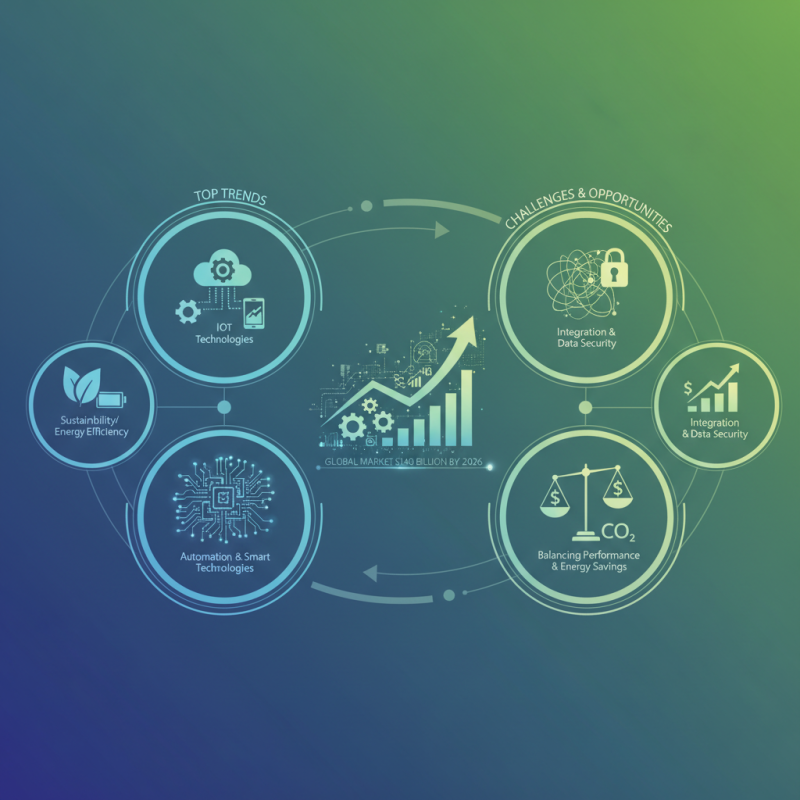
The electrical controls industry is undergoing rapid transformation. According to a recent report by MarketsandMarkets, the global electrical controls market is expected to reach $140 billion by 2026. This growth reflects the increasing reliance on automation and smart technologies in various sectors. Electrical controls play a critical role in enhancing efficiency and reliability in industrial processes, particularly in manufacturing and energy management.
One emerging trend is the adoption of Internet of Things (IoT) technologies. IoT-enabled electrical controls allow for real-time data monitoring and improved decision-making. Businesses can optimize operations and reduce downtime through actionable insights. However, companies face challenges in integration and data security. Many struggle to implement these advanced systems effectively, leading to inefficiencies.
Another key trend is the push for sustainability. As more businesses aim to reduce their carbon footprints, there is a growing demand for energy-efficient electrical controls. This shift not only complies with regulations but also appeals to eco-conscious consumers. However, balancing performance and energy savings remains a challenge for many organizations. The way forward involves not just embracing innovation, but also addressing these complex issues head-on.
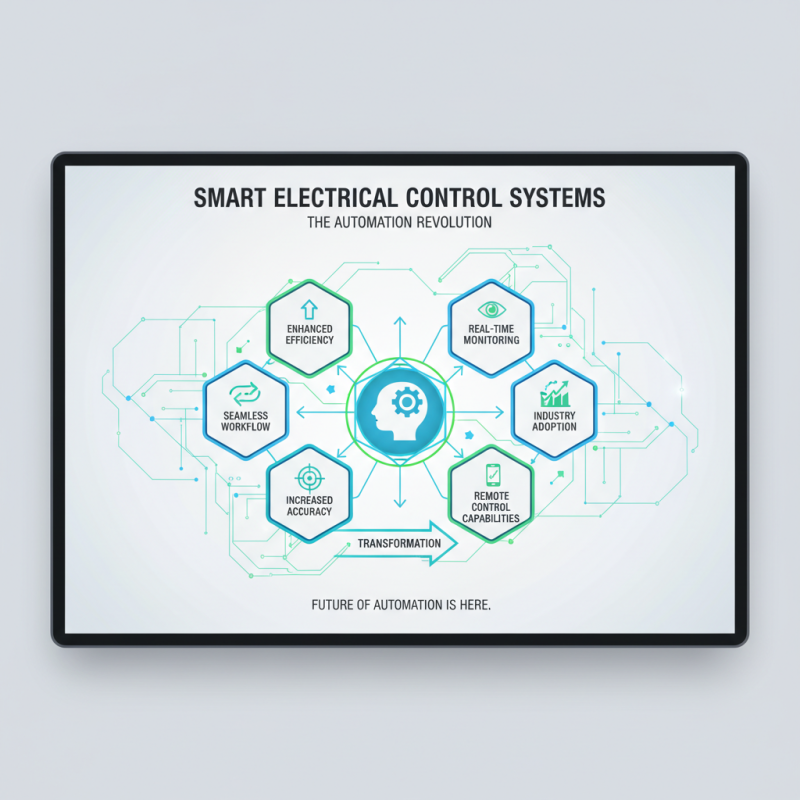
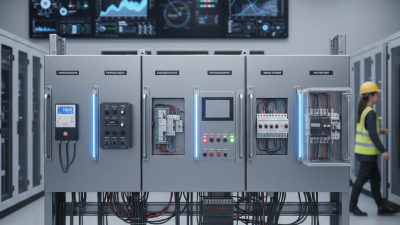
The rise of smart electrical control systems is transforming automation. These systems utilize advanced technology to enhance efficiency and accuracy. They can communicate with each other, creating a seamless workflow. This connectivity allows for real-time monitoring and control. As industries adopt these systems, changes are evident.
Tips: Regularly update your software to enhance performance. Also, ensure all components are compatible. This will prevent system failures.
Smart electrical control systems also improve energy management. They allow users to track energy consumption patterns. Data-driven insights help in making informed decisions. Yet, transitioning to smart systems can be challenging. There may be resistance to change. Employees might need training to adapt to new technologies.
Tips: Create a change management plan to ease the transition. Foster an environment where feedback is encouraged. This helps identify potential obstacles early on.
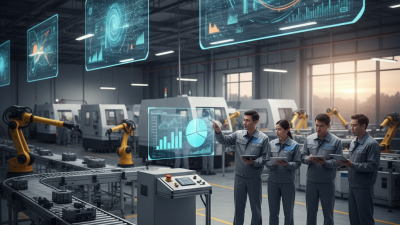
The integration of IoT technologies in electrical control solutions is transforming how industries operate. Smart sensors now collect real-time data. This data enhances machine performance and predicts failures. For example, factories can monitor equipment conditions remotely. Any anomaly can trigger alerts, allowing proactive maintenance. This approach reduces downtime and increases productivity.
Tip: Consider implementing IoT sensors in your current systems. Start small to test effectiveness before full-scale deployment.
However, there are challenges. Not all existing equipment is compatible with IoT. Integrating new technology can incur costs. Moreover, cybersecurity risks grow as more devices connect. Assessing these risks is crucial before adopting IoT solutions.
Tip: Regular training for staff is vital to maintain a secure environment. Foster a culture of awareness around potential cyber threats.
Incorporating IoT into electrical controls is a journey. Continuous evaluation and adaptation are necessary. Ultimately, the benefits can outweigh the uncertainties if approached thoughtfully.
Energy efficiency is a major focus in the electrical controls sector. Recent studies indicate that nearly 40% of energy consumption in industrial facilities can be attributed to electrical control devices. This statistic highlights the critical need for advancements in energy efficiency. Innovations in this area can significantly reduce operational costs while supporting sustainability efforts.
One notable trend is the integration of smart technologies. These devices allow for real-time monitoring and data collection. According to a report by the International Energy Agency, improving control systems could lead to an energy savings of up to 30% in some applications. However, implementing these systems can be complex. Many companies face challenges in upgrading outdated equipment and integrating new solutions smoothly.
Moreover, there is a growing emphasis on renewable energy sources. Electrical controls play a vital role in managing these resources efficiently. A recent survey revealed that 65% of companies are investing in technologies that enhance energy management. Despite these advancements, the transition is often uneven. Some industries lag behind, struggling to keep pace with rapid technological changes. This disparity must be addressed to maximize the benefits of energy-efficient electrical control devices.
| Trend | Description | Impact on Energy Efficiency | Emerging Technology |
|---|---|---|---|
| IoT Integration | Connection of devices to the internet for enhanced monitoring and control. | Improves real-time energy management. | Smart sensors and devices. |
| AI and Machine Learning | Use of algorithms to optimize operation and predict equipment failures. | Reduces energy waste through predictive maintenance. | Automated decision-making tools. |
| Advanced Metering | Smart meters that provide detailed energy usage data. | Empowers users to manage their energy consumption effectively. | Real-time analytics software. |
| Renewable Energy Integration | Seamless incorporation of renewable sources into electrical systems. | Increases the sustainability of energy systems. | Smart grid technology. |
| Energy Storage Solutions | Technologies that store energy for later use. | Enhances reliability and efficiency of energy supply. | Batteries and thermal storage systems. |
| Power Quality Monitoring | Tools for assessing and improving electrical power quality. | Reduces losses due to harmonics and voltage issues. | Advanced power analyzers. |
| Cybersecurity in Electrical Controls | Protection measures for electrical control systems against cyber threats. | Safeguards energy efficiency against disruptions. | Intrusion detection systems. |
| User-Centric Design | Design focused on user experience for controls and interfaces. | Increases operational efficiency through intuitive controls. | User interface tools. |
| Digital Twin Technology | Virtual models of physical systems for monitoring and simulation. | Improves system efficiency and troubleshooting. | Simulation software. |
| Wireless Control Systems | Control systems that operate wirelessly. | Reduces installation costs and enhances flexibility. | Wireless communication protocols. |
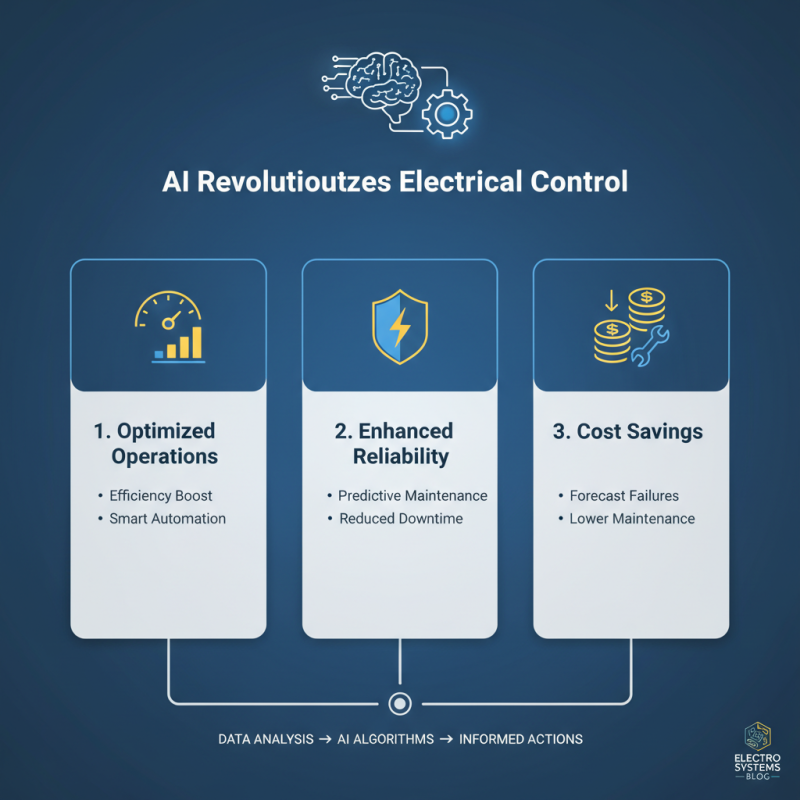
Artificial Intelligence (AI) is reshaping electrical control systems. It optimizes operations and enhances system reliability. Predictive maintenance is one key area where AI shines. By analyzing data, AI can forecast potential failures. It reduces downtime and maintenance costs significantly.
AI algorithms process vast amounts of data quickly. They can identify patterns that human operators might miss. However, the reliance on AI also raises concerns. Is the decision-making process transparent? Can operators trust AI-driven suggestions? These questions require deep consideration.
As AI continues to evolve, integration challenges arise. Existing systems may not easily adapt to new AI technologies. Training personnel to work alongside AI is crucial. They must understand its limitations and strengths. As this technology advances, the dialogue about its impact on control systems must continue.
Safety standards and compliance are evolving rapidly in the field of electrical controls. Regulatory agencies are continually updating their guidelines. This creates a challenge for businesses. Staying compliant requires constant vigilance and adaptation. With technology changing, it can be tough to keep up.
Incident rates in electrical systems highlight the importance of safety standards. New technologies often introduce unforeseen risks. This means companies must proactively assess their safety measures. Regular audits are crucial. They identify gaps and ensure equipment meets current standards. Staff training is also essential. Employees should understand the latest safety practices.
Regulations will likely continue to tighten. Ensuring compliance may require additional resources. However, neglecting these trends can lead to severe consequences. Companies need to be diligent. The investment in safety isn't just about compliance; it protects lives. Ensuring a culture of safety can lead to more reliable operations. It may take time to adjust to these changes, but it's necessary for a safer future.
This chart illustrates the trends in safety standards and compliance for electrical controls over the past decade. The data reflects the increasing importance of these trends in enhancing safety and operational efficiency.