Essential Tips for Sourcing Quality Hyd Cylinder Parts?
Sourcing quality Hyd Cylinder Parts can be a challenging task. It's crucial to find reliable suppliers who understand your specific needs. A poor choice can lead to costly downtime and repairs. When selecting parts, consider the manufacturer’s reputation and production standards. Look for established companies with a proven track record in the industry.
Accessing high-quality Hyd Cylinder Parts involves a keen eye for detail. Inspect materials and specifications thoroughly. This attention to detail can prevent future issues. Also, engage in dialogue with suppliers to gauge their expertise. A responsive supplier can provide valuable insights into the quality and compatibility of the parts.
Reflect on sourcing decisions. Mistakes can happen, and they often stem from inadequate research. It’s essential to evaluate your choices continually. Ensure that your Hyd Cylinder Parts align with your operational requirements. This proactive approach will enhance equipment performance and reliability over time.
Understanding the Importance of Quality in Hyd Cylinder Parts
When sourcing hyd cylinder parts, quality is paramount. Poor-quality components can lead to system failures. A malfunctioning hydraulic cylinder can cause costly downtime. Additionally, safety risks escalate with substandard parts. Therefore, ensuring quality should be your top priority.
Understanding quality involves examining materials and manufacturing processes. High-grade steel and advanced manufacturing techniques often yield superior parts. You should also consider the supplier's reputation. A trusted supplier usually follows industry standards. Nevertheless, not all suppliers maintain consistent quality. Investigate customer reviews and seek recommendations.
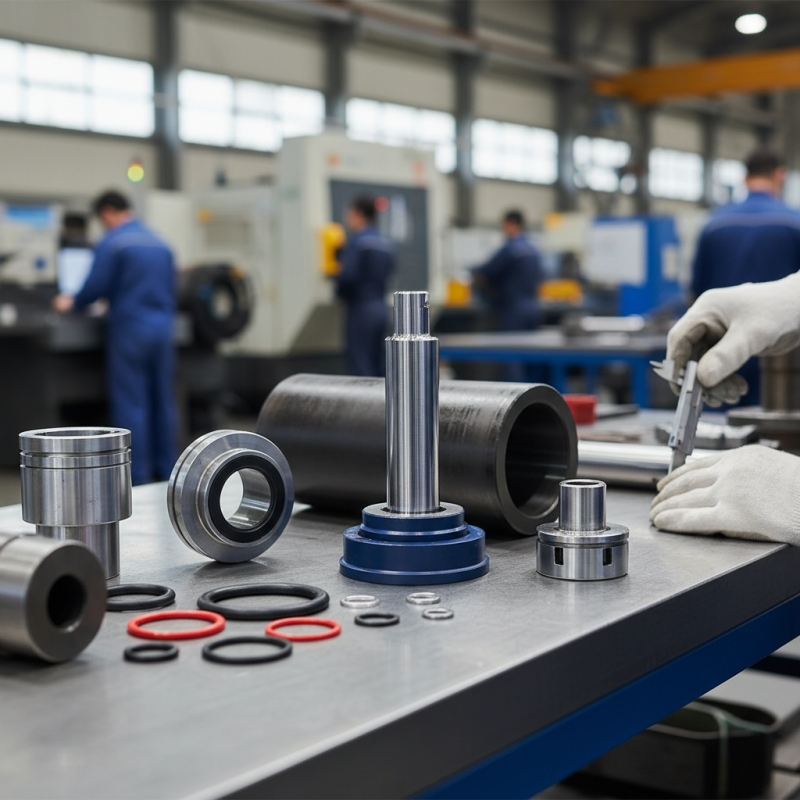
It's crucial to conduct thorough inspections of the parts. Visual checks can reveal surface defects. Additionally, dimensional accuracy is vital for performance. You might also want to request certifications or test reports. This could help gauge the part's reliability. Remember, an investment in quality now can save you money and headaches later. Assess your needs carefully before making a decision.
Key Specifications to Consider When Sourcing Hyd Cylinder Parts
When sourcing hydraulic cylinder parts, key specifications are crucial for the right fit and performance. First, consider the material. Commonly used materials include steel, aluminum, and composite materials. Each material offers different advantages in terms of strength, weight, and resistance to corrosion. This choice will affect the durability and longevity of the parts.
Tip: Always check the part's compatibility with your existing equipment. Verify dimensions like diameter and stroke length. These specifications ensure that the parts function effectively in their intended applications. Don’t overlook the seal type as well. The correct seal maintains fluid integrity and prevents leaks.
Another focal point is the hydraulic pressure rating. Each part must meet the required pressure specifications to avoid failures. Also, pay attention to manufacturer standards; high-quality manufacturers often provide detailed testing and certification information. This documentation enhances reliability but should not be taken at face value.
Tip: Review customer feedback and expert opinions on the chosen parts. Look for real-world applications to assess performance under various conditions. Understanding previous users' experiences can guide you to make informed choices. Sometimes, learning from others' mistakes is invaluable.
Evaluating Suppliers: Questions to Ask for Quality Assurance
When sourcing hydraulic cylinder parts, evaluating suppliers is crucial. Start by asking about their experience and expertise. A reliable supplier should have a proven track record in manufacturing quality parts. Inquire about the materials they use. High-quality materials lead to better performance and durability.
Ask about their quality control processes. How do they ensure each part meets industry standards? Interesting questions include their protocols for testing and inspection. A trustworthy supplier will be open about their methods. Don't hesitate to ask for certifications that validate their claims.
Consider their responsiveness. Communication is key in building a solid partnership. Observe how quickly they reply to your inquiries. If their customer service seems lacking, it might be a red flag. Reflect on feedback from their other clients. Customer testimonials can provide valuable insights into their reliability and product quality.
Inspection Techniques for Assessing Hyd Cylinder Parts Quality
When sourcing hyd cylinder parts, proper inspection is crucial for ensuring quality. Begin by visually examining each component for obvious defects. Look for scratches, dents, or inconsistencies in finish. An initial visual inspection can save time and resources later. Use a magnifying glass for a closer look at intricate details. This can reveal micro-cracks that are otherwise hidden.
Next, employ measurement tools to verify dimensions. Accurate measurements are critical. Use calipers to check diameters and depths against specifications. This step minimizes the risk of fitting issues during assembly. Don't overlook the importance of material properties. Different materials can affect performance. A simple hardness test can indicate if the part meets expected standards.
Testing under actual working conditions is another effective approach. If feasible, run a trial in a controlled environment. Observe how the part performs under pressure. Address any anomalies immediately. Document findings meticulously. Reporting both successes and failures aids in refining future sourcing strategies. Inspecting hyd cylinder parts effectively can lead to significant long-term benefits.
Hydraulic Cylinder Parts Quality Assessment
Best Practices for Quality Control in Hyd Cylinder Sourcing
When sourcing hydraulic cylinder parts, quality control should be your top priority. Start by defining clear specifications for each component. This step ensures all suppliers understand your requirements. Document these specifications and share them with potential suppliers to avoid ambiguity. It's also vital to check certifications. Reliable suppliers often provide proof of compliance with industry standards. This aids in confirming their credibility.
Implementing a thorough inspection process is crucial. Conduct regular audits of the manufacturing facilities. Visit suppliers to see production practices. This firsthand observation can reveal any quality issues. Consider using third-party inspection services for unbiased evaluations. They can provide in-depth analysis to verify quality claims. Don’t skip this step; it could save you from major setbacks later.
Additionally, maintain open communication with suppliers. Regular conversations can help identify potential issues early. Build relationships based on transparency and trust. Share feedback about any discrepancies and strive for continuous improvement. Reflect on your sourcing decisions frequently to refine your processes. Embrace feedback and adjust your approach as necessary. This commitment to quality control will enhance your sourcing strategy significantly.
Essential Tips for Sourcing Quality Hyd Cylinder Parts
| Aspect | Description | Best Practice |
| Material Quality | Ensure materials meet industry standards for durability and reliability. | Request certifications such as ISO and material test reports. |
| Supplier Experience | Select suppliers with proven experience in producing hydraulic cylinder parts. | Evaluate supplier history and client testimonials. |
| Production Techniques | Assess the technological capabilities of the supplier's production processes. | Visit production facilities or request virtual tours to understand their capabilities. |
| Quality Control Processes | Evaluate the supplier’s quality control measures in place. | Ask for details about their QA process and any recent audits. |
| Cost vs Quality | Balance the cost of parts with the quality associated with them. | Get multiple quotes, focusing on total value rather than just price. |
| Delivery Timelines | Consider suppliers that can meet your required timelines without compromising quality. | Confirm lead times and track record of on-time deliveries. |