
Buying Ascophyllum nodosum for farming can feel simple: compare labels, check the price, and choose a supplier. The details matter more. Harvest location, processing, formulation, and batch consistency can all affect what arrives at your farm. A low price is not useful if the product’s composition or application guidance remains unclear.
Seaweed researcher Dr. Alan Critchley’s work offers a useful principle: identify the species and processing method, then judge whether the product suits its intended use. This is a paraphrase, not a direct quotation. For Ascophyllum Nodosum Agriculture, that distinction helps buyers ask better questions. Request a current specification sheet, confirm the extract’s form, and check how the supplier supports storage and application. Look for clear batch identification, too. Paperwork is not glamorous. It can prevent avoidable surprises.
The seven tips ahead focus on practical checks, from sourcing and product quality to supplier claims and field suitability. A sample drum, a legible label, and a responsive technical contact can tell you more than polished marketing alone. Still, no single certificate guarantees results in every crop or soil. That part is easy to overlook. Compare products carefully, test them on a small area when appropriate, and keep notes on timing and conditions. A buying decision should be evidence-led, but not overconfident; farm results can vary, and a product that works well nearby may behave differently on your fields.
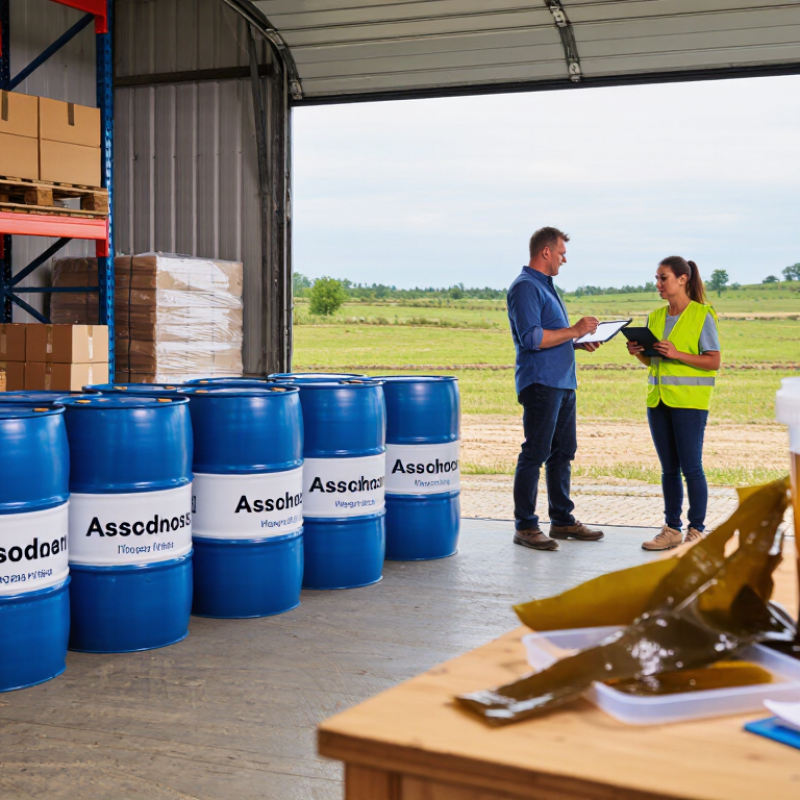
Ascophyllum nodosum is a brown seaweed found along North Atlantic coastlines. Agricultural products made from it are commonly used as biostimulants, not as replacements for fertilizer. Their soluble compounds may support root development, nutrient uptake, and tolerance to environmental stress, but results depend on crop, soil, processing, and application rate. Field results vary. Khan et al. reviewed evidence for seaweed extracts in plant growth and development in the Journal of Plant Growth Regulation (2009), while noting that biological responses are complex.
The FAO’s The State of World Fisheries and Aquaculture 2024 reports global algae production of 37.8 million tonnes in 2022, with nearly all produced through aquaculture. This figure covers algae broadly, not A. nodosum specifically. That distinction matters when assessing claims about supply or product performance. A bottle’s dark color or seaweed scent cannot verify its species, concentration, or consistency.
Tips: Check that the label identifies Ascophyllum nodosum and lists application rates. Ask for batch-level composition and contaminant testing. Compare processing methods, since extraction can affect the compounds retained. Start with a small, controlled field area, and record crop stage, weather, and treatment dates. I would avoid assuming that a higher dose means a stronger response; local trials are still needed.
Choosing the right Ascophyllum nodosum product starts with how it will be applied. Powder is compact and easy to store, but it must dissolve well before entering drip lines. Check the label for solubility and mixing instructions; a fine-looking powder can still leave sediment in a bucket. Liquid extracts are convenient for tank mixing and small-scale trials. They are heavier to ship, and their concentration can vary, so compare the stated seaweed content rather than bottle size. Flakes or meal may suit soil incorporation, but they are less practical for precise fertigation. Small details matter.
Extraction method also affects what the product contains and how it handles. Cold-water processing generally avoids strong heat or alkaline conditions, while alkaline extraction can release a broader range of soluble compounds. Enzymatic methods use enzymes to break down seaweed tissues. These labels alone do not prove field performance. Ask for a technical sheet describing the process, composition, and recommended dilution, then test a small area under the same irrigation conditions you expect to use. Keep a simple record of crop stage, rate, and weather. Results can be uneven. That is worth admitting: a product that mixes neatly may not be the one that best fits your crop, soil, or equipment.
Ascophyllum nodosum products can differ in nutrient levels, processing, and concentration. Read the guaranteed analysis, not just the front label. Check nitrogen, phosphorus, potassium, and listed micronutrients, then compare them with your crop needs and soil test. A seaweed extract is not a complete fertilizer. Small details matter.
Ask for a recent certificate of analysis tied to the product’s batch. It should identify measured nutrients and, where available, alginate or mannitol levels. These compounds can help describe the extract, but they do not prove a product will perform equally in every field. Processing methods affect composition. A detailed label is useful, though it cannot replace clear test data.
Purity deserves equal attention. Look for information on the seaweed’s source, added carriers, and screening for heavy metals or unwanted residues. Compare batch results, since natural raw materials can vary. If a supplier cannot explain a test result plainly, pause before buying. I would also trial a small area and record application rate, weather, and crop response. That takes extra effort, and results may still be uneven, but it is better than assuming a high nutrient figure guarantees better growth.
Ascophyllum nodosum products vary in concentration, processing, and formulation, so choose one for the crop and delivery method. For a foliar spray on leafy vegetables, check that the liquid mixes readily with water and suits the sprayer’s filters. A granular product may fit soil application better, especially where equipment spreads dry amendments. Details matter.
Match the product’s documented use instructions to the crop’s growth stage. Young plants, flowering crops, and plants recovering from stress may have different management needs; avoid assuming one rate suits them all. Check whether the label supports your intended application, and follow its rates and mixing guidance. If tank-mixing, confirm compatibility on a small scale before treating a field.
Ask suppliers for clear information on seaweed content, extraction process, storage conditions, and batch consistency. These details help distinguish a useful specification from a broad marketing claim. It is tempting to judge products by concentration alone, but that can overlook how they perform in your actual system. A small, untreated comparison area can reveal practical differences, though weather and soil variation may complicate the result. Keep application records, including crop stage, rate, and spray conditions.
When comparing Ascophyllum nodosum suppliers, look beyond the price per kilogram. A low-cost powder may require a higher field rate or dissolve poorly in a spray tank. Ask for the recommended dose, application method, and batch-specific certificate of analysis. Check that the document identifies the product and includes relevant quality measures, such as moisture and contaminant testing. Details matter.
Certifications can support confidence, but verify their scope. An organic certificate, for example, may cover a particular product or facility, not every input from that supplier. Check the issuing body, expiry date, and whether the product’s intended agricultural use is included. Also ask how the seaweed is sourced and processed. Clear traceability and consistent specifications are more useful than a logo alone. Documentation can still leave questions.
Overall value depends on cost per treated hectare, not just container price. Compare the labeled application rate, usable concentration, storage requirements, and shipping cost. Ask whether recent batches meet the same specifications, especially if you plan to reorder mid-season. A supplier should answer practical questions without promising guaranteed yield increases; crop response varies with soil, weather, and management. I would keep a small trial record, though it is easy to overlook when planting gets busy. That imperfect notebook can help distinguish a product effect from a change in irrigation or timing.