How to Optimize Manufacturing Control Systems for Global Sourcing?
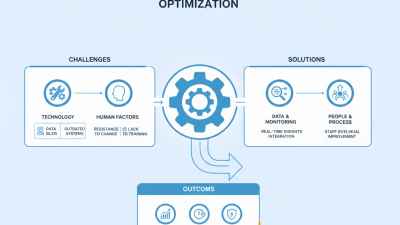
In today’s global marketplace, optimizing manufacturing control systems is essential. With diverse suppliers worldwide, managing these systems becomes complex. Effective manufacturing control systems can streamline operations and enhance flexibility. However, many companies face challenges in integrating global sourcing strategies.
Companies often overlook critical aspects during optimization. Communication gaps with international suppliers can lead to delays. Additionally, technology integration may falter without proper planning. It’s vital to address these issues to ensure efficiency.
Implementing real-time data analytics in manufacturing control systems offers valuable insights. This can help track supplier performance and production flows. Nonetheless, organizations must continually refine their systems. Reflection on past inefficiencies can guide better decision-making in the future. Investing in skilled personnel is equally important for successful optimization.

Understanding Global Sourcing in Manufacturing Control Systems
Global sourcing in manufacturing control systems is a complex endeavor. It involves procuring materials and services from different parts of the world. This strategy aims to reduce costs and increase efficiency. However, it requires a holistic understanding of various factors including supply chain dynamics, cultural differences, and logistical challenges.
One must assess quality control measures when selecting global suppliers. A lack of proper oversight can lead to discrepancies and delays. Companies often face language barriers or time zone differences, which complicate communication. Regular audits and evaluations of suppliers can help mitigate these risks. Data analytics plays a crucial role here. It can reveal trends and insights that guide sourcing decisions. Nevertheless, companies should not solely rely on data; human judgment is equally essential.
Transparency in the supply chain is vital. All stakeholders need to be informed about the sourcing process. Fostering collaboration among teams enhances problem-solving capabilities. However, many companies overlook this aspect and operate in silos. This often leads to inefficiencies. Engaging partners and suppliers in open discussions fosters trust and leads to better outcomes. Continuous improvement should be a focus, as conditions change rapidly in the global market.
Identifying Key Metrics for Optimizing Control Systems
In today's global supply chain landscape, manufacturers must leverage key metrics to optimize their control systems. A recent report from the Institute for Supply Management highlights that 64% of companies struggle with visibility in their manufacturing processes. This lack of transparency can lead to inefficiencies, increased costs, and wasted resources. To counter these issues, identifying crucial metrics is essential.
One important metric is the Overall Equipment Effectiveness (OEE). According to a study conducted by the Association for Operations Management, improving OEE by just 10% can lead to a 20% increase in productivity. Monitoring this metric helps manufacturers pinpoint performance gaps. Another key area is inventory turnover, which can be improved through real-time data tracking. Organizations with a high turnover ratio typically see a 15% reduction in holding costs.
Moreover, supplier performance metrics cannot be overlooked. A report from Gartner indicates that 78% of organizations rely on suppliers for critical components. Regular evaluations of supplier performance can reveal inconsistencies and foster better relationships. Yet, it’s important to remember that metrics should adapt to specific industry needs. Rigid adherence to standard metrics might not yield the desired results, requiring ongoing refinement and a willingness to experiment with new approaches.
Integrating Technology Solutions for Enhanced Manufacturing Efficiency
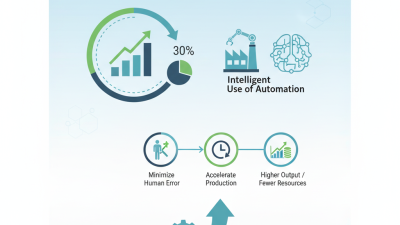
In today's competitive landscape, integrating technology solutions is essential for enhancing manufacturing efficiency. Modern factories rely on advanced software to streamline operations. Automation tools, such as robots and IoT devices, can significantly reduce production times. This minimizes waste and lowers costs. However, adopting these technologies can be challenging. Companies often face resistance from staff unaccustomed to new systems.
Data analytics plays a crucial role in optimizing manufacturing processes. Real-time data helps identify bottlenecks and predict maintenance needs. However, ensuring data accuracy can be difficult. Poor data quality leads to misguided decisions. Continuous training and open communication about technology's benefits are vital for overcoming these hurdles.
Another aspect is cybersecurity. As companies embrace digital solutions, protecting sensitive information becomes critical. Cyber threats can disrupt operations and damage reputation. Developing a robust cybersecurity strategy is necessary. Regular assessments and updates can help mitigate risks. By addressing these challenges, organizations can fully leverage technology and boost manufacturing efficiency.
Manufacturing Control Systems Efficiency - Global Sourcing Impact
Developing Collaborative Strategies with Global Suppliers
In today's interconnected market, developing collaborative strategies with global suppliers is crucial. Communication serves as the backbone of successful partnerships. Regular check-ins and updates promote transparency and build trust. Yet, ensuring all parties understand each other can be challenging. Miscommunication often leads to errors, highlighting the need for clear language and defined objectives.
Leveraging technology can enhance collaboration in meaningful ways. Cloud-based platforms enable real-time data sharing, allowing suppliers to track production schedules. However, not all suppliers may have access to the latest technology, creating disparities in capabilities. Companies must assess these gaps and provide necessary support.
Building relationships requires time and patience. Joint problem-solving sessions can help resolve conflicts and cultivate a sense of teamwork. Nevertheless, companies should be ready to adapt if certain strategies do not yield expected results. Continuous feedback from suppliers can guide improvements and strengthen ties. Fostering collaboration may take effort, but the benefits are invaluable in optimizing manufacturing control systems.
How to Optimize Manufacturing Control Systems for Global Sourcing? - Developing Collaborative Strategies with Global Suppliers
| Strategy |
Description |
Benefits |
Challenges |
| Supplier Collaboration |
Establishing partnerships with suppliers to share forecasts and demand. |
Improved supply chain visibility and reduced lead times. |
Requires trust and mutual investment from both parties. |
| Data Analytics |
Using data to predict demand and optimize inventory levels. |
Better inventory management and reduced costs. |
Data privacy concerns and the need for robust cybersecurity. |
| Lean Manufacturing |
Eliminating waste to improve efficiency and reduce costs. |
Increased efficiency and streamlined processes. |
Cultural resistance to change and the need for continuous training. |
| Technology Integration |
Implementing advanced technologies such as IoT and AI in manufacturing. |
Enhanced decision making and real-time monitoring. |
High initial investment costs and technology adoption curve. |
Implementing Continuous Improvement Processes in Manufacturing Systems
In today's competitive landscape, optimizing manufacturing control systems is crucial. Implementing continuous improvement processes can significantly enhance efficiency and adaptability. A culture of ongoing improvement drives teams to identify areas for enhancement regularly. This focus maintains a dynamic production environment, vital for global sourcing.
Tips: Foster open communication within teams. Encourage sharing insights and ideas. A collaborative atmosphere aids in spotting inefficiencies quickly.
Establishing key performance indicators (KPIs) offers tangible metrics to track progress. Regularly review these KPIs to assess performance and identify roadblocks. They should not be static; adapt them to reflect evolving business goals.
Tips: Involve employees in creating KPIs. Their input is invaluable, enhancing buy-in and ensuring the metrics reflect real-world challenges.
Consider the value of training sessions. Continuous skills development empowers employees. They become more adept at recognizing potential improvements. However, not all training yields the desired results. Regularly solicit feedback and adjust programs accordingly.
Tips: Keep training interactive. Engaged learners are more likely to retain knowledge and apply it effectively.