How to Choose the Best Bedroom Door Lock in 2026?
Choosing the best Bedroom Door Lock in 2026 requires more than comparing finishes, prices, or app features. A bedroom door protects sleep, privacy, and personal belongings. It should also open easily during an emergency. That balance matters in real homes, where a lock may face humidity, children, pets, rushed mornings, and repeated daily use.
Industry data shows why the decision is becoming more complex. Grand View Research estimates that the global smart lock market reached about USD 2.49 billion in 2023, with strong growth expected through 2030. Parks Associates has also reported rising consumer interest in connected access products, especially devices that integrate with wider smart-home systems. These figures describe smart locks broadly, not bedroom locks specifically. That limitation deserves attention.
A reliable choice begins with the door itself. Measure the backset, door thickness, borehole, and latch alignment before selecting hardware. For conventional locks, ANSI/BHMA standards can help buyers compare durability and performance. For electronic models, examine battery warnings, mechanical backup access, privacy modes, and offline operation. A keypad can be convenient beside a dim hallway. Yet convenience is not the same as security. Bluetooth range, software support, and weak installation can change the result. I have seen attractive hardware fail because the strike plate was poorly aligned. Small details matter.
This guide compares privacy knobs, lever locks, keypad models, and connected Bedroom Door Lock options for different household needs. It also considers installation quality, maintenance, accessibility, and long-term reliability. Some recommendations may remain imperfect, because no single lock suits every door or family. The best decision is practical, measured, and based on evidence rather than marketing language.
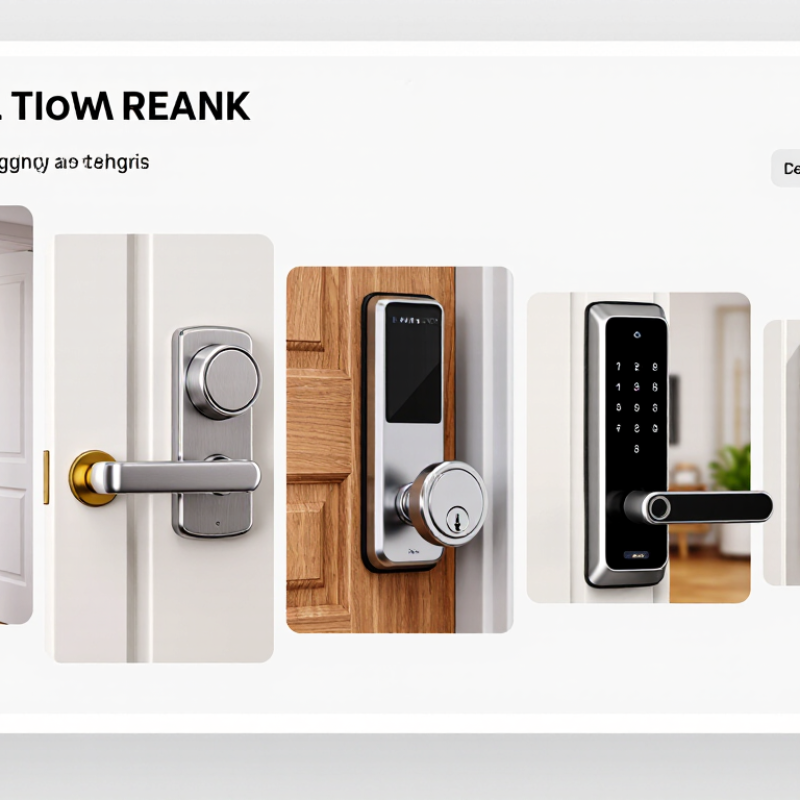
Define Bedroom Lock Needs: Privacy, Safety, and 2026 Egress Codes
Choosing a bedroom door lock in 2026 starts with three separate needs: privacy, safety, and emergency escape.
Privacy is not the same as security. A bedroom privacy lock may use a push button, turn button, or emergency-release pinhole. It should resist casual entry, but open quickly from inside. Test it at night, with the lights off. That small detail matters.
For children, older adults, or guests, avoid designs that create confusion during stress. A certified locksmith or building professional can check latch alignment, door thickness, and the frame’s condition.
I have found that a strong lock performs poorly when the strike plate is loose.
Safety must never block egress. The 2024 International Residential Code requires sleeping rooms to provide an emergency escape and rescue opening, although local adoption varies in 2026. The bedroom lock itself should not require a key, tool, or complicated action to exit.
Confirm requirements with your local authority having jurisdiction, especially in apartments and renovated homes. NFPA’s Home Structure Fires report recorded an estimated 343,100 residential structure fires and 2,840 civilian deaths annually from 2017 to 2021.
Those figures make fast escape more than a design preference.
Check the lock after installation. Pull the door closed. Turn the lock. Release it from inside. A rushed installation can undermine good hardware.
I still think many buyers overvalue forced-entry ratings and undervalue simple, reliable operation.
Reference: NFPA, Home Structure Fires report; International Code Council, 2024 IRC.
Compare ANSI/BHMA Grades 1–3 with UL 437 Security Requirements
How to Choose the Best Bedroom Door Lock in 2026?
ANSI/BHMA Grades 1–3 measure durability and operational performance, not every form of forced entry. Under ANSI/BHMA A156.2, Grade 1 locks face the highest cycle and strength demands. Grade 2 suits most residential bedrooms. Grade 3 provides basic residential protection. The U.S. burglary count reached about 847,522 offenses in 2023, according to the FBI Crime Data Explorer. That figure makes tested hardware more meaningful than appearance alone.
UL 437 addresses high-security lock performance, especially resistance to picking, drilling, sawing, prying, and other attack methods. It is not a replacement scale for ANSI/BHMA grades. A Grade 1 lock may still lack a UL 437-certified cylinder. Check both markings on the product and its certification record. Ask whether the cylinder, not only the exterior lock body, meets the requirement.
Fit matters in practice. A strong lock installed in a weak door frame can fail quickly. Use long screws that reach solid framing, and inspect the strike alignment with the door closed. A bedroom lock also needs dependable emergency access during a fire or medical event. Do not choose security features that delay safe exit. I would not rely on a grade number alone. Real protection depends on the door, frame, cylinder, installation, and household habits. Standards help, but they cannot correct a loose strike plate.
How to Choose the Best Bedroom Door Lock in 2026?
ANSI/BHMA durability grades compared with UL 437 high-security testing requirements
ANSI/BHMA Grade 1
Designed for the highest durability level in the A156.2 bored and cylindrical lock classification, with a minimum of 800,000 operating cycles.
ANSI/BHMA Grade 2
Provides a medium-duty level with a minimum of 400,000 operating cycles and is commonly considered suitable for standard residential use.
ANSI/BHMA Grade 3
Represents the entry residential durability level in A156.2, with a minimum of 200,000 operating cycles.
UL 437
UL 437 is not a durability grade and does not assign a cycle rating. It evaluates high-security key locks against specified physical attack and manipulation tests.
Selection tip: For a bedroom lock, use the ANSI/BHMA grade to compare expected operating durability. Consider UL 437 only when resistance to lock picking, drilling, forced entry, or other high-security attack methods is a primary requirement. Always verify the exact standard and product application before purchase.
Reference basis: ANSI/BHMA A156.2 durability classifications for bored and cylindrical locks; UL 437, Key Locks, security performance requirements.
Evaluate Smart Locks Through Matter, BLE, Wi-Fi, and Battery Standards
How to Choose the Best Bedroom Door Lock in 2026?
A bedroom smart lock should fit your network, not just your door. Matter can improve compatibility across supported smart-home platforms, but it still needs a compatible controller and network connection. Check the exact Matter transport before buying. A lock may use Wi-Fi for daily access, while Bluetooth Low Energy handles setup and nearby phone communication. BLE is efficient. It is not a replacement for dependable remote access.
Wi-Fi offers convenient control from another room, but it can consume more battery power. Test the signal beside the bedroom door, especially near concrete walls or metal frames. A weak connection creates delays and failed commands. Matter support also does not guarantee identical features across every platform. Some functions may appear limited. That detail is easy to miss.
Battery design deserves equal attention. Look for clearly stated battery type, capacity, operating temperature, and low-power warnings. Standard replaceable cells are practical during travel or winter outages. Rechargeable packs may reduce waste, but they need a reliable charging routine. Check whether the lock records access locally when Wi-Fi fails. Keep the mechanical key available. Real testing matters more than a laboratory runtime claim; frequent unlocking, cold air, and poor signal can shorten battery life. I would test the lock for one week before trusting it overnight. Even then, my first estimate could be wrong.
Verify Fit and Accessibility: 2⅛-Inch Backsets and ADA 5-lbf Limits
How to Choose the Best Bedroom Door Lock in 2026?
A comfortable bedroom lock begins with accurate measurements. Many listings call 2⅛ inches a backset, but it usually describes the bore-hole diameter. The backset is the distance from the door edge to the bore center, commonly 2⅜ or 2¾ inches. Measure both before ordering. A trial fit on an existing door can reveal problems that a product photo hides. I have seen small measurement errors force unnecessary drilling.
Accessibility deserves equal attention. The 2010 ADA Standards limit opening force to 5 lbf for many interior hinged doors, excluding certain fire doors. The same standards require hardware operable with one hand, without tight grasping, pinching, or wrist twisting. Choose a lever that works with a relaxed palm, especially when carrying laundry or assisting someone at night. Keep the hardware within the ADA’s 34-to-48-inch operating range.
The need is growing. U.S. Census Bureau estimates show adults aged 65 and older represented about 17.7% of the U.S. population in 2023. AARP’s 2021 Home and Community Preferences Survey also found that 77% of adults aged 50 and older wanted to remain in their homes. These figures support planning for changing mobility, not just current comfort. Still, a 5-lbf rating alone does not guarantee easy use. Door alignment, weather pressure, latch friction, and hand strength can change the experience. Test the installed lock repeatedly. Then reconsider the choice.
Review Installation, Fire Safety, Warranty, and Total Ownership Cost
Choosing a bedroom door lock starts with the door, not the product box. Measure door thickness, backset, latch alignment, and frame depth. A five-minute fit check can prevent hours of adjustment. I once underestimated frame movement and blamed the lock. That was a useful, expensive mistake.
Fire safety deserves more attention than privacy. NFPA’s Home Structure Fires report estimates 346,800 U.S. home structure fires annually from 2017 to 2021. A bedroom lock should not trap occupants or slow emergency access. For fire-rated doors, verify the complete labeled door assembly, including hinges, frame, latch, and lock. A lock alone does not create a fire-rated opening. Check local building requirements and confirm that the inside release works without a key.
Warranty terms reveal long-term value. Look for coverage length, mechanism protection, labor exclusions, and proof-of-purchase rules. BHMA performance standards can help compare durability, cycle testing, and operational consistency, but certification does not replace correct installation. Calculate total ownership cost: purchase price, installation labor, batteries, maintenance, replacement parts, and possible door repairs. A cheaper lock may become costly after repeated alignment problems. A longer warranty can still disappoint if installation errors void coverage. Read the exclusions. Then test the lock with the door open before closing it fully.