How to Choose Tungsten Alloy Turning Services?
Choosing the right Tungsten Alloy Turning service is not simply a matter of comparing hourly prices. Tungsten alloys are extremely dense, hard, and often difficult to machine. Their brittleness can turn a minor setup error into edge chipping, dimensional loss, or a rejected batch. The supplier must understand the material, not merely operate a lathe.
Dr. Erik Lassner, a recognized tungsten-materials researcher and author, has emphasized this practical principle: “Tungsten must be judged by its properties, processing history, and intended application.” That guidance matters when reviewing a machining partner. Ask about alloy grade, cobalt or nickel binder content, workholding methods, cutting-tool materials, coolant control, and inspection equipment. A capable shop should explain how it prevents heat concentration around a 6-millimeter shaft or protects a sharp shoulder from cracking.
Look beyond polished promises. Request sample tolerances, surface-finish data, and evidence of experience with similar geometries. Confirm whether the shop can manage small batches, repeat orders, and design changes without losing consistency. Precision is measurable.
Still, no supplier is perfect. Even an experienced team may need testing before final production. This is where honest communication becomes valuable. Share drawings, operating temperatures, loading conditions, and failure concerns early. A trial component may reveal an overlooked issue, such as tool wear or distortion after stress relief. The best Tungsten Alloy Turning partner welcomes that discovery and adjusts the process. Cost matters, but predictable quality matters more.
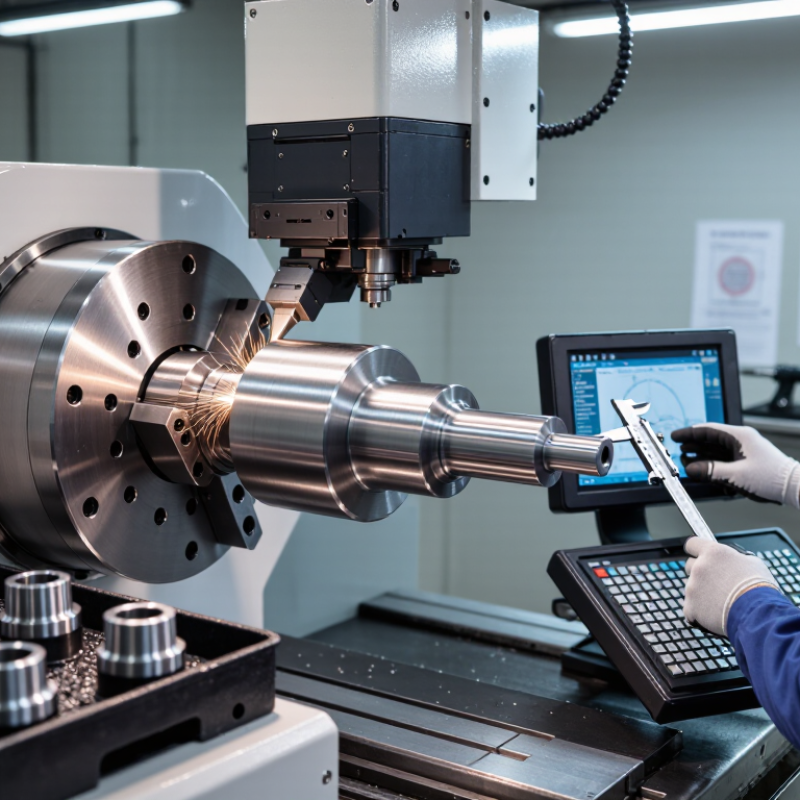
Define Your Tungsten Alloy Turning Requirements
Before requesting tungsten alloy turning services, define the part’s function, dimensions, and operating environment. State the alloy composition or required tungsten percentage. Density matters. A counterweight may need a specific mass, while a shielding component may require consistent wall thickness. Include finished diameters, lengths, threads, bores, and radii on a current drawing. Mark critical tolerances separately from cosmetic dimensions. Do not rely on “high precision” alone. Specify micrometer-level limits where function demands them.
Turning tungsten alloys requires rigid tooling, controlled feeds, and careful heat management. Share the batch size, prototype status, and expected repeat orders. Small quantities may justify different machining plans than production volumes. Mention the inspection standard, measurement points, and acceptance records. Surface finish should include a target value and measurement direction. If the part joins another material, describe the fit and assembly method. This prevents a polished surface from hiding a poor functional fit.
Review the drawing for missing details. This step is often skipped. Threads, edge breaks, and datum references are common gaps. Request material certificates and dimensional reports for traceability. A technical machinist can flag unrealistic tolerances before cutting begins. That review may reveal that a ±0.005 mm requirement adds cost without improving performance. Specifications copied from steel parts can mislead the process. Leave room for revision after the first sample, especially when distortion or tool wear appears.
Compare Alloy Grades and Machining Characteristics
Choosing tungsten alloy turning services starts with the alloy grade, not the machine quotation. ASTM B777/B777M classifies tungsten heavy alloys by tungsten content, commonly from 90% to 97.5% or higher. Density typically rises from about 17.0 to 18.5 g/cm³. That difference matters when a component needs compact size, radiation shielding, or a controlled balance weight.
Higher tungsten content improves density, but it can make turning less forgiving. Nickel-iron binders generally provide stronger mechanical performance, while nickel-copper grades can offer better corrosion resistance and easier processing. Still, “easier” is relative. Tungsten alloys remain abrasive and conduct heat poorly away from the cutting zone. Carbide tooling, rigid workholding, low cutting speeds, and steady coolant delivery are practical requirements. Sharp edges help prevent edge chipping.
The USGS Mineral Commodity Summaries 2024 reported approximately 84,000 metric tons of global tungsten mine production in 2023. This supply pressure can affect material availability and lead times, so grade confirmation should happen before machining begins. A useful supplier should provide chemistry, density, hardness, and inspection data. Ask how the shop controls tool wear between batches. Dimensional drift may appear near the final passes. That detail is easy to overlook.
A higher density grade is not automatically the best choice. I would compare the required mass, tolerances, surface finish, and machining allowance together. ASTM compliance helps, but it does not replace a trial cut on the actual geometry.
Evaluate Equipment, Precision, and Technical Expertise
How to Choose Tungsten Alloy Turning Services?
Start with the machine. Tungsten alloys demand rigid turning equipment, controlled spindle speeds, and stable workholding. Excessive vibration can create chatter, edge damage, or hidden dimensional errors. Ask whether the service provider uses suitable carbide or diamond-grade tooling. Coolant delivery also matters, especially during deep cuts and extended production runs.
Precision should be demonstrated, not promised. Request inspection records for diameter, concentricity, runout, and surface finish. A capable workshop should use calibrated micrometers, height gauges, and coordinate measuring equipment when required. First-article inspection can reveal problems before they affect a full batch. Still, no process is flawless. A polished surface may hide a small internal issue, so inspection methods must match the component’s function.
Technical expertise separates basic machining from dependable results. Engineers should understand tungsten alloy behavior, drawing tolerances, burr control, and heat management. They should also review your design before cutting metal. That conversation may uncover a sharp internal corner or an unrealistic tolerance. Good providers explain the risk clearly and suggest practical adjustments. Look for traceable material records, documented process settings, and consistent operator training. Ask for sample parts when possible. Small details matter.
Review Quality Control, Lead Times, and Service Capacity
When choosing tungsten alloy turning services, inspect quality control before comparing hourly rates. Tungsten alloys are dense, hard, and unforgiving during turning. Small tool deflection can alter a critical diameter. Ask for material certificates, calibrated inspection records, and a documented first-article process. A capable shop should report tolerances, surface roughness, tool wear, and corrective actions clearly. ISO 9001 certification supports process discipline, but certification alone proves little. Review actual inspection samples.
Supply planning matters too. The U.S. Geological Survey reported approximately 84,000 metric tons of global tungsten mine production in 2023, with China contributing about 67,000 tons. That concentration can affect raw-material availability and delivery schedules. Request a realistic lead-time range, not a perfect promise. Confirm whether the supplier holds suitable bar stock, maintains backup tooling, and can manage heat treatment or secondary grinding. Service capacity should match your order pattern. Can the facility support prototypes, repeat batches, and urgent replacements without disrupting production?
Ask how many turning centers are available. Also ask about operator experience with carbide-heavy materials. In practice, one skilled machinist may outperform a larger but inexperienced team. I have seen schedules fail when capacity was measured only by machine count. Review rejection rates, overtime plans, packaging methods, and communication during delays. Do not overlook the weak point: inspection data may be complete, yet batch traceability can still be inconsistent. Expect evidence, question assumptions, and test the process with a small pilot order.
Assess Pricing, Communication, and Long-Term Reliability
How to Choose Tungsten Alloy Turning Services?
Assess Pricing, Communication, and Long-Term Reliability
Price should be judged against the complete machining plan, not the hourly rate alone. Request a clear quote covering material grade, tooling, setup, inspection, packaging, and delivery. Tungsten alloys can increase tool wear and machining time. A surprisingly low quote may exclude essential quality checks. Ask whether the price includes dimensional reports and material certificates. Small omissions can become expensive later.
Communication reveals technical competence. Before placing an order, discuss drawing tolerances, surface finish, thread details, and difficult features. A capable service team should identify risks before production begins. Request a sample inspection report. Good communication is specific, timely, and documented. Vague promises are warning signs. Still, perfect communication is rare, so allow room for reasonable clarification.
Long-term reliability depends on repeatable processes. Check how the supplier controls incoming materials, tool wear, machine calibration, and final inspection. Ask for evidence from similar tungsten alloy components, without demanding confidential customer information. Confirm lead times, production capacity, and how design changes are handled. A stable supplier should explain what happens when dimensions drift or material arrives late. Do not choose on price alone. A dependable partner may cost more initially, yet reduce rejected parts, delays, and repeated approvals. One point deserves reflection: even a strong first batch does not guarantee lasting performance, so review quality records after every order.
How to Choose Tungsten Alloy Turning Services?
A practical procurement scorecard can place the greatest emphasis on total cost, dimensional capability, and quality assurance. Communication and long-term delivery reliability should also be assessed because tungsten alloys are difficult to machine and often require specialized tooling, process control, and consistent inspection.
The percentages represent a decision-weighting model for comparing potential suppliers, not performance claims about any specific company.