How to Choose a Tablet Counter in 2026?
Choosing a Tablet Counter in 2026 requires more than comparing speed and price. Pharmacies, nutraceutical plants, and contract manufacturers face stricter quality expectations. They also handle different tablet shapes, sizes, coatings, and friability levels. A reliable Tablet Counter should match the product, workflow, and inspection requirements.
Start with the details on the production floor. Observe how tablets move through the hopper, vibration channels, sensors, and collection bottles. Small, round tablets may count smoothly, while soft or irregular tablets can bridge and create errors. Dust can also affect sensors and contaminate nearby surfaces. Easy disassembly matters here. So does cleanability.
Accuracy remains essential.
However, speed should not dominate the decision. A machine that counts quickly but produces frequent rejects may increase labor and waste. Look for documented accuracy tests, repeatable performance, and practical changeover times. Check whether the supplier provides calibration guidance, operator training, service records, and responsive technical support. These details reveal real experience, not just polished specifications.
Modern equipment may include touchscreen controls, recipe storage, automatic bottle detection, and data logging. Those features can improve traceability when properly configured. Yet advanced software can create new training gaps. Ask how access permissions work and how records are protected. Consider whether the equipment supports your quality system and applicable regional requirements.
No machine is perfect.
The right decision should balance performance, hygiene, maintenance, validation, and long-term operating cost. Before purchasing, test representative tablets under realistic conditions. A short demonstration may expose problems that a brochure never mentions. This guide explains the main selection criteria and the questions worth asking before approving a Tablet Counter for 2026.
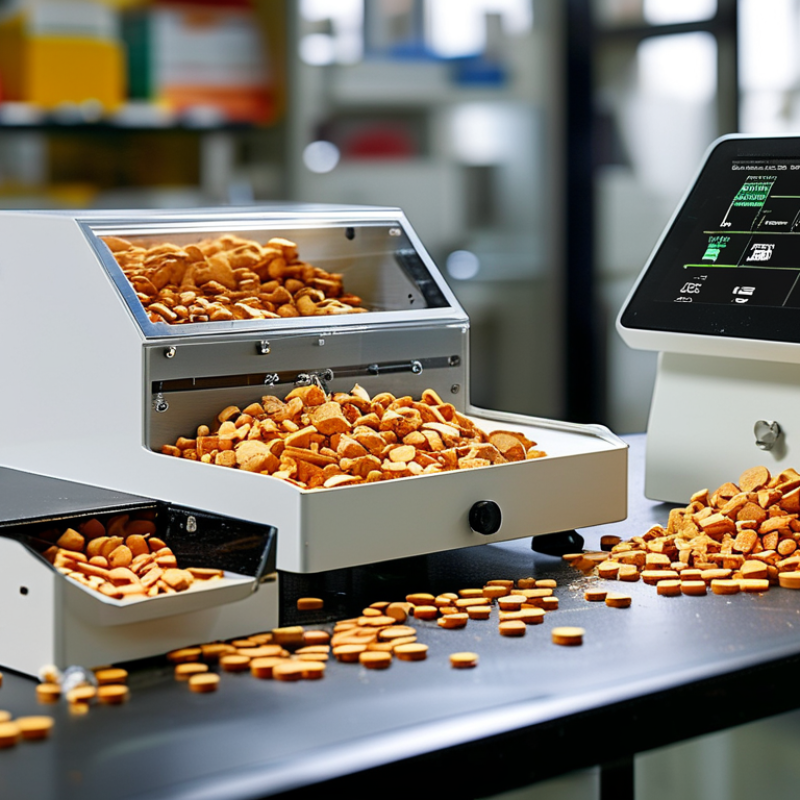
Tablet Counter Basics: Functions, Types, and Common Applications
Choosing a tablet counter in 2026 starts with its basic job: delivering accurate counts, not merely high speed. Most systems use electronic sensors, vibration channels, or vision inspection. Manual counters suit small pharmacies and low-volume work. Semi-automatic models support regular batches with operator loading. Fully automatic counters add bottle feeding, filling, capping, rejection, and batch data recording.
Speed matters. So does dust control. Buyers should compare tablets per minute, count accuracy, hopper capacity, and changeover time. Irregular shapes, coated surfaces, and fragile tablets can confuse simple sensors. Optical systems may detect broken or doubled tablets, while electronic counters often provide simpler operation. A useful machine should also allow tool-free cleaning, recipe storage, and clear alarm records. These details reduce operator mistakes during busy shifts.
Applications include pharmacies, contract packaging, nutraceutical production, hospital unit-dose preparation, and smaller manufacturing lines. IQVIA’s Global Use of Medicines 2024 report projects worldwide medicine spending could reach 2.3 trillion dollars by 2028. That growth may increase demand for dependable counting equipment, but market growth does not guarantee good selection. The WHO estimates that one in ten medical products in low- and middle-income countries is substandard or falsified, especially highlighting the importance of controlled handling and traceable processes. A high-speed counter cannot correct poor weighing, unsuitable storage, or weak inspection. I would test the machine with real tablet shapes before purchase. Laboratory samples can look too perfect. That is where my earlier confidence would need reconsideration.
Define Your Counting Requirements and Production Environment
Choosing a tablet counter in 2026 starts with a clear definition of the job. Measure required output per hour, tablet size, shape, weight, and counting tolerance. A line filling 30 bottles per minute needs different speed control from a small batch room. Record container neck dimensions and closure styles. They affect discharge accuracy.
I once underestimated dust levels during a production trial. The counter remained accurate, but its sensors required frequent cleaning. That reduced the real output. Examine temperature, humidity, vibration, airflow, and available floor space before selecting equipment. A compact room may need a smaller frame and easier access. In a controlled area, smooth contact surfaces and simple changeovers can reduce cleaning time. Operators should reach inspection points without awkward lifting.
Ask suppliers for documented test data using your actual tablets and containers. Test slow, normal, and maximum speeds. Include broken tablets, doubled drops, empty pockets, and container changes. The machine should detect counting errors and record critical settings reliably. Check calibration methods, alarm visibility, training materials, and service response. A fast counter is not automatically a suitable counter. I would also repeat the trial after cleaning, because performance can change slightly. That result may be inconvenient, but it is more useful than a perfect demonstration under unfamiliar conditions.
Compare Accuracy, Speed, Capacity, and Tablet Compatibility
Choosing a tablet counter in 2026 requires more than reading its maximum speed. Accuracy comes first. A machine claiming 100 tablets per minute may perform differently with dusty, coated, or irregular tablets. During evaluation, run at least three batches and compare the displayed count with a manual reference count. Small deviations matter.
USP General Chapter <905> sets an acceptance value of 15.0 for many dosage-unit uniformity tests, but this is not a direct machine-counting standard. It reminds buyers that counting accuracy and dose uniformity are separate controls. The 2024 PMMI report, Trends in Pharmaceutical and Medical Device Packaging, identifies flexible production, inspection, and labor efficiency as continuing packaging priorities. Therefore, record real throughput, reject rates, and cleaning time, rather than trusting promotional figures.
Capacity should match daily demand and hopper refilling habits. A larger hopper reduces interruptions, but it may increase tablet pressure and damage fragile coatings. Compatibility deserves a physical test. Check tablet diameter, thickness, shape, surface friction, and static behavior. Capsules and scored tablets can require different settings. High speed is not always better. A slower, stable count may reduce rejects and operator adjustments. I would also test changeover between two tablet sizes, because this is where optimistic assumptions often fail. Keep the test report, including humidity, batch size, and operator settings. Conditions change. Performance can, too.
Assess Total Cost, Maintenance Needs, and Long-Term Value
How to Choose a Tablet Counter in 2026?
Purchase price is only the first number to examine. Calculate total cost over five to ten years. Include installation, operator training, electricity, calibration, spare parts, and software updates. A cheaper counter may require frequent cleaning or manual adjustments. That can increase labor costs during every production shift. Ask suppliers for documented throughput, counting accuracy, and maintenance intervals. Request service records from comparable installations when possible. Real operating evidence is more useful than impressive specifications.
Maintenance needs should match your facility and workload. Inspect product-contact surfaces, dust control, sensor access, and changeover procedures. A practical design allows quick disassembly without special tools. It should also support traceable calibration and clear fault reports. Consider whether local technicians can respond quickly. Delayed repairs can cost more than the original price difference. I would also test several tablet sizes, because advertised flexibility sometimes performs poorly with unusual shapes. That detail is easy to overlook.
Tips: Build a five-year cost spreadsheet before choosing. Record cleaning time during a realistic trial. Compare rejected counts, not only average speed. Check warranty limits and training fees. Keep critical replacement parts available. Ask who performs preventive maintenance, and how long repairs normally take. Leave room for future volume growth, but avoid paying for capacity you will never use. My first estimate might be wrong. Review it after a full production trial.
How to Choose a Tablet Counter in 2026?
Five-year total cost of ownership comparison by production capacity. The model includes acquisition, integration, maintenance, operator labor, and downtime or spare-parts costs.
Key insight: A higher-capacity tablet counter may require a larger initial investment, but automation can reduce operator labor costs and improve long-term value. Maintenance, spare parts, and expected downtime should be evaluated over the full five-year service period rather than by purchase price alone.