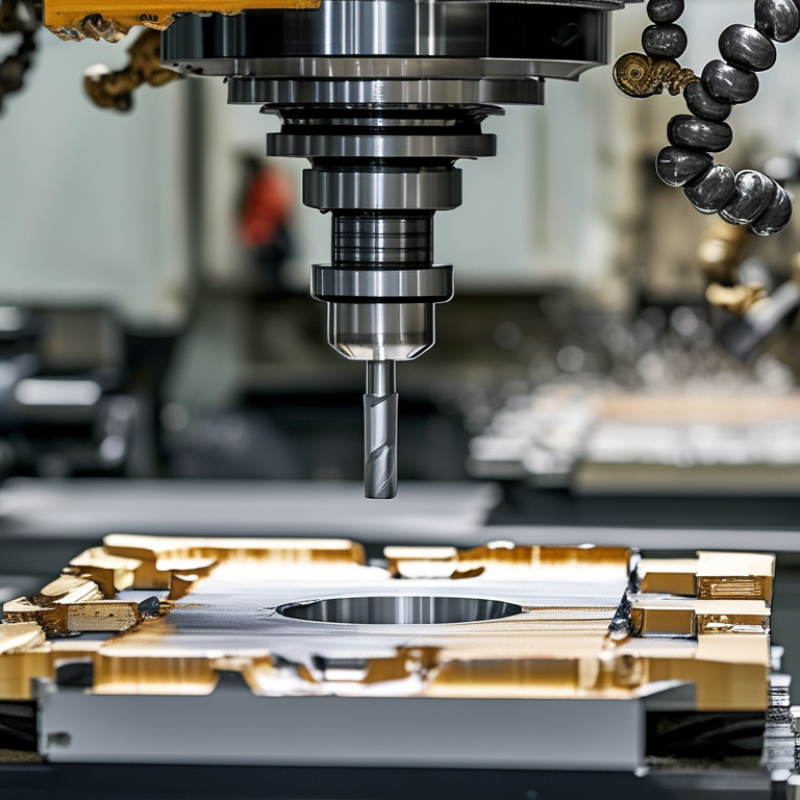
How to Choose the Best Axis CNC Machining Service for Your Needs?
Choosing the right Axis Cnc Machining service is crucial for achieving your manufacturing objectives. The quality of the service can significantly influence your project’s success. Each project has unique needs that require careful consideration when selecting a CNC provider.
When searching for the best Axis CNC Machining service, several factors come into play. You need to assess the provider’s experience and expertise. Look for a team with a proven track record in delivering precision components. Reliability is non-negotiable in this competitive industry.
Ensure that the service you choose understands your specific requirements. They should be able to offer you tailored solutions, not just off-the-shelf options. Be mindful of companies that overpromise and underdeliver. A clear communication channel with your CNC partner is essential for smooth project execution.
Understanding Your CNC Machining Requirements and Specifications
When selecting an axis CNC machining service, understanding your requirements is crucial. Begin by identifying the specific materials you need. CNC machining can work with metals, plastics, and composites. Different materials require different machining capabilities and tools. For instance, aluminum can be cut easily, while titanium demands advanced techniques. According to a recent industry report, precise material selection can reduce machining errors by up to 30%.
Next, consider your technical specifications. Dimension accuracy is vital. Most CNC machines can achieve tolerances of ±0.001 inches, which is essential for high-precision applications. Additionally, evaluate the surface finish you need. A report from the International Journal of Advanced Manufacturing Technology states that the right finish can improve part longevity and performance. Choosing a service that understands these parameters will save you time and resources.
Lastly, think about your project scale. Different services cater to low-volume or high-volume production. If your needs frequently change, flexibility is key. Some providers may struggle to adapt quickly. This can lead to delays and increased costs. Researching potential partners and asking for case studies can help identify the right fit. Balancing accuracy, surface finish, and scalability ensures the best outcomes for your CNC machining projects.
Evaluating the Expertise and Experience of CNC Machining Providers
When selecting a CNC machining service, expertise and experience are paramount. According to a recent industry report, 70% of manufacturing failures can be traced back to inadequate machining processes. Understanding a provider's capabilities helps mitigate risks. Focus on their years in service and their range of machinery. A company that has operated for over a decade is likely familiar with diverse challenges.
Consider looking for certifications that reflect industry standards. For example, an ISO certification demonstrates that the provider adheres to rigorous quality management systems. This can be a telling sign of their commitment to excellence. Reviewing case studies or client testimonials provides valuable insights into their work. A solid portfolio showcases expertise across various projects.
Tip: Ask for references from previous clients. This can reveal the level of satisfaction and the quality of work.
Experience matters, but it's vital to ensure that the methods used align with your specific needs. A provider who excels in one area may not meet your complex requirements. Pay attention to specialized training among technicians. This often indicates a deeper understanding of the latest technologies.
Tip: Evaluate their investment in R&D. Companies dedicated to innovation are usually at the forefront of industry advancements.
Trust is built on transparency. Engaging with a provider that openly discusses their processes can lead to better collaborations.
Comparing Material Options and Capabilities for CNC Machining
When choosing a CNC machining service, material options are crucial. Different materials can influence the durability and functionality of your final product. Aluminum, for example, is lightweight and resistant to corrosion. Steel is sturdier but heavier, making it suitable for heavy-duty applications. On the other hand, plastic machining is ideal for prototypes due to its cost-effectiveness.
Understanding the capabilities of the CNC service is essential too. Some services specialize in intricate designs, while others excel in high-volume production. It's valuable to evaluate their past projects. This can provide insights into their proficiency with various materials. Don’t hesitate to ask for samples. Observing a physical product can reveal hidden defects or precision issues.
Many factors can affect your choice. The relationship between material and design complexity needs careful consideration. Certain materials may warp or shrink during machining, impacting the integrity of the end product. Regular communication with the machining service can help mitigate these challenges. Always prioritize clarity on material limits and machining capabilities for a successful project outcome.
Assessing Quality Control Practices in CNC Machining Services
When selecting a CNC machining service, quality control is paramount. A reliable service should have a robust quality control system in place. This system typically includes regular inspections, testing procedures, and strict adherence to industry standards. Look for services that implement both in-process and final inspections. These practices help catch potential issues before they escalate.
Many CNC machinists rely on dimensional accuracy and surface finish quality. Understanding the control methods they use can reveal much about their expertise. For instance, using advanced measurement tools demonstrates their commitment to precision. However, occasional errors can occur. It is crucial to assess how a service handles mistakes. Do they communicate transparently? A good CNC service will acknowledge issues and offer solutions.
Furthermore, certifications can signify a commitment to quality. Look for companies with ISO certifications or similar accreditations. These indicators reflect a sustained effort to maintain high standards. Ultimately, understanding these quality control practices can lead to more informed decisions, ensuring the chosen service aligns with your specific needs.
Reviewing Customer Feedback and Case Studies for CNC Machining Companies
When selecting a CNC machining service, customer feedback is invaluable. Reviews often provide insights into a company's strengths and weaknesses. Look for comments on precision, turnaround times, and customer service. Positive testimonials frequently underscore a provider’s reliability, but negative reviews can reveal potential issues. Pay attention to patterns in feedback. If multiple customers mention delays, this is a red flag.
Case studies also serve as a critical resource. They illustrate how a machining service approaches specific projects. Look for examples relevant to your own needs. A detailed case study shows how a firm overcame challenges, especially technical hurdles. While success stories are encouraging, understand that not every project goes smoothly. Some companies might struggle with unique requirements or tight deadlines, which can affect their performance.
Ultimately, the choice of CNC machining service should be informed by both reviews and case studies. They help you gauge not just the capabilities but the adaptability of a company. Balancing this information with your unique specifications can lead to a more satisfying and effective partnership. Consider reaching out for consultations to discuss their past projects. This can guide you in making an informed decision.