How Can We Help You?

7 Tips to Choose the Best Buckle Tie Down Straps

Choosing the right Buckle Tie Down Straps is not a minor purchasing decision. It can affect load stability, product protection, and everyday working safety. A strap may look strong in a photograph, yet fail to suit a wet trailer, sharp-edged crate, or vibrating utility cart.

Cargo-control specialist Mark D. Miller says, “A reliable strap is chosen for the load, the environment, and the user—not appearance alone.” That practical view guides this article. We will examine seven useful selection tips, including webbing strength, buckle design, length, width, abrasion resistance, weather performance, and inspection features.

The details matter. A wide polyester strap should lie flat across a wooden cabinet. The buckle should close firmly without forcing your fingers. Its release should remain manageable when gloves are worn. Small differences become obvious during a long drive.

Read the working load limit carefully.

Avoid judging quality by color or price alone. Cheap hardware can create expensive problems, although premium equipment is not automatically suitable. I have seen users choose oversized straps that were awkward to tighten and easy to misuse. That mistake deserves attention.

This guide also considers repeated use. Buckle Tie Down Straps may face dust, rain, sunlight, oil residue, and rough storage. A durable product needs more than impressive packaging. It needs clear labeling, consistent stitching, dependable hardware, and a sensible inspection routine.

No strap lasts forever. That is easy to forget. The best choice balances strength, convenience, maintenance, and the specific load being secured.

7 Tips to Choose the Best Buckle Tie Down Straps

Understand How Buckle Tie Down Straps Work

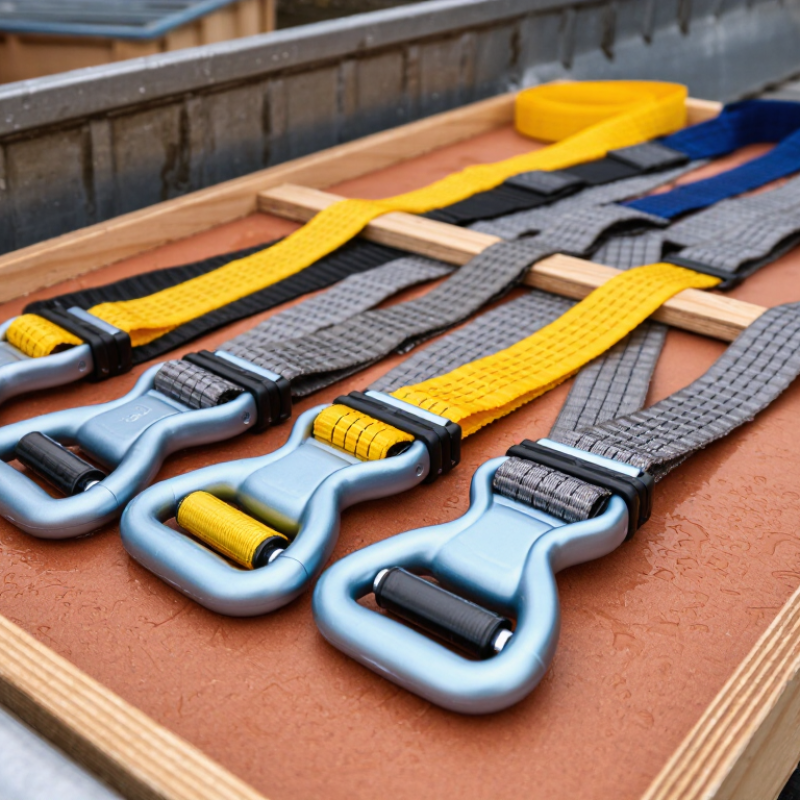
Buckle tie down straps secure cargo by creating friction around a buckle bar. The strap passes through the buckle and tightens when pulled. Load pressure helps maintain tension, but the buckle does not replace proper cargo support. That friction matters. A cam buckle usually releases with a small lever, while a ratchet buckle uses a winding handle. Understanding this difference prevents over-tightening and webbing damage.

Tip 1: Check the working load limit before use. Do not rely on strap width alone. Tip 2: Inspect the webbing for cuts, melted fibers, loose stitching, or fading. Tip 3: Place the buckle where it remains accessible and avoids sharp edges. Tip 4: Pull the free end firmly, but stop when the cargo is stable. Excessive force can crush fragile items.

Tip 5: Add edge protection when straps touch metal corners or rough surfaces. Tip 6: Test the load by pushing it gently before traveling, then recheck tension after a short distance. Tip 7: Keep unused straps dry, clean, and loosely rolled. Damp storage can weaken fibers over time. Do not guess. A strap may look fine while hidden abrasion has reduced its strength. I have found that a second inspection often reveals small cuts near the buckle, where movement creates repeated friction. That detail is easy to miss.

Choose the Right Strap Material and Buckle Type

Tip 1: Match the strap material to the working environment. Polyester resists stretching and handles moisture well, making it suitable for stable loads and outdoor transport. Nylon feels softer and absorbs shock, but it stretches more when wet. Polypropylene is lightweight and economical, though sunlight can weaken it over time. Check the webbing for tight stitching, clean edges, and abrasion marks before every use.

Tip 2: Choose the buckle for the tension you can control. A cam buckle works well for light or moderate loads and allows quick adjustment. A ratchet buckle provides stronger tension, but over-tightening may damage fragile cargo. I once focused too much on buckle strength and overlooked the strap width. That was a poor decision. Wider webbing usually spreads pressure more evenly, but only when the buckle is designed for it.

Tip 3: Inspect the contact points, not just the buckle. Rough metal corners, sharp cargo edges, and dirty slots can cut or weaken webbing. For frequent outdoor use, select material with dependable UV resistance and keep the straps dry after cleaning. Test the buckle by pulling firmly by hand. It should hold without slipping. Still, hand testing is not enough for every application, so follow the strap’s rated capacity and replace it when fibers look fuzzy, glazed, or permanently stretched.

Match Strap Strength to Your Load and Vehicle

7 Tips to Choose the Best Buckle Tie Down Straps

Match strap strength to your load and vehicle. The Federal Motor Carrier Safety Administration requires the aggregate working load limit to equal at least half the cargo weight. For a 600-kilogram load, your tie-down system should provide at least 300 kilograms of combined working load limit. Do not confuse breaking strength with working load limit. WSTDA guidelines also emphasize clear ratings, labels, and inspection practices. A strap can look strong and still be unsuitable.

  1. Tip one: Weigh the cargo, including tools and packaging.
  2. Tip two: Check the vehicle’s anchor-point rating.
  3. Tip three: Choose a working load limit that exceeds the calculated need.
  4. Tip four: Match the buckle to the strap width and webbing type.
  5. Tip five: Use edge protection around metal corners.
  6. Tip six: Inspect stitching, cuts, heat damage, and distorted buckles before every trip.
  7. Tip seven: Recheck tension after driving a short distance.

A practical example helps.

A loaded motorcycle trailer may need several anchor points, not one oversized strap. Keep each strap aligned with the anchor and avoid twisting the webbing. Wet straps can hide damage. That detail is easy to miss.

Replace any strap with torn fibers, faded labeling, or a buckle that slips under hand pressure. I have seen users choose straps by appearance alone, and that is a weak method. Vehicle structure, load movement, and restraint angle all matter. More strength is not automatically safer if the anchor point is weaker.

Check Length, Width, and Adjustment Features

7 Tips to Choose the Best Buckle Tie Down Straps

The right buckle tie down strap should match the cargo, not merely fit around it. Measure the load before shopping. Add enough length for a secure wrap, but avoid a long loose tail that can catch wind or drag across surfaces. For compact boxes, shorter straps usually offer better control. Oversized loads need extra length for routing around rails or anchor points.

Width affects handling and strength. Narrow webbing is easier to thread through a buckle, while wider webbing can distribute pressure across heavier cargo. Check the manufacturer’s working load limit, not just the breaking strength. These figures are different. A strap with a padded or coated buckle may also protect painted frames and delicate edges. Still, padding can hide wear, so inspect underneath it.

Adjustment range deserves close attention. A useful buckle should hold tension without forcing your hands into awkward positions. Pull the free end until the webbing lies flat, then check for twists. I once chose a strap that was technically long enough, but its adjustment section was too short for a thick frame. It held poorly. Too much slack. That mistake matters. Test the strap on the actual cargo when possible, and look for frayed stitching, cuts, stiff webbing, or a buckle that slips under steady hand pressure.

Inspect, Secure, and Maintain Straps for Safe Use

A reliable buckle tie down strap begins with a careful inspection. Run your fingers along the webbing and look for cuts, melted fibers, loose stitching, or faded sections. Check the buckle for cracks, sharp edges, rust, and smooth movement. Do not trust a strap only because it looks clean. Hidden damage can weaken it. I once noticed a small abrasion near a buckle after loading, and it could easily have been missed.

Choose a strap with a working load limit suitable for the cargo, not merely its total weight. Place the strap over stable surfaces, away from sharp corners and hot equipment. Use edge protection where contact may damage the webbing. Thread the buckle correctly, then pull the strap until the load cannot shift sideways or forward. Avoid twisting the webbing. It reduces contact and creates uneven pressure. Secure loose strap ends so they cannot flap into moving parts.

After tightening, test the cargo by applying firm hand pressure. Recheck the buckle after a short distance, because vibration can reduce tension. Replace straps with burned, stretched, chemically damaged, or heavily worn fibers. Clean dirt with mild soap and water, then dry straps fully before storage. Keep them away from sunlight, moisture, and fuel residues. Maintenance records help, although I sometimes forget to update mine immediately. That weakness is worth correcting. A strap should never be repaired with knots, tape, or improvised stitching. Use a new one when its condition is uncertain.

7 Tips to Choose the Best Buckle Tie Down Straps - Inspect, Secure, and Maintain Straps for Safe Use

Tip Selection or Inspection Focus What to Check Safe-Use Guidance Maintenance Action
1. Match the Working Load Limit Choose a strap with a Working Load Limit (WLL) suitable for the cargo, anchor points, and tie-down arrangement. Look for a clearly marked WLL and confirm that it is not confused with breaking strength. Never exceed the lowest-rated component in the complete tie-down system. Use additional straps when required by the load and transport conditions. Remove straps with missing or unreadable capacity labels until their rating can be verified.
2. Select the Correct Webbing Consider webbing width, length, material, and resistance to the environment where the strap will be used. Check for cuts, fraying, pulled stitching, melted fibers, chemical damage, or severe fading. Keep the webbing flat and avoid contact with sharp edges, hot surfaces, corrosive liquids, and abrasive corners. Clean dirt with mild soap and water when appropriate, then allow the webbing to dry completely before storage.
3. Inspect the Buckle Choose a buckle that is compatible with the strap width and provides smooth, controlled tensioning. Check for cracks, distortion, sharp edges, corrosion, loose parts, and a mechanism that does not close or release correctly. Thread the webbing according to the buckle design and confirm that the buckle is fully closed before moving the load. Keep the buckle free of sand and debris. Do not use a buckle that slips under normal hand tension.
4. Verify the Anchor Points Use strong, properly positioned anchor points that can safely handle the expected tie-down forces. Inspect anchors for looseness, cracks, deformation, corrosion, or damage to the attachment area. Attach hooks or loops only to suitable anchor points. Do not connect to fragile trim, movable parts, or unsuitable hardware. Repair or replace damaged anchor hardware before using the tie-down system again.
5. Protect the Cargo and Strap Select edge protection and strap features suited to the cargo shape and surface finish. Look for areas where webbing could rub against sharp corners, rough surfaces, or edges during transport. Use corner protectors, sleeves, or padding where needed. Do not twist the webbing or allow it to bunch at contact points. Replace protective sleeves that are torn, hardened, or too worn to prevent abrasion.
6. Tension and Secure the Excess Choose a strap length that allows secure attachment without leaving excessive loose webbing. After tightening, check that the buckle remains locked and that the strap does not loosen when the load shifts slightly. Tie, clip, or otherwise secure loose strap ends so they cannot contact wheels, moving parts, or the road surface. Recheck tension shortly after starting the journey and whenever the load, weather, or road conditions change significantly.
7. Store and Retire Straps Properly Use straps made from materials suitable for the storage environment and expected service conditions. Before storage, inspect the complete assembly, including webbing, stitching, buckle, hooks, and labels. Store straps clean, dry, loosely coiled, and away from direct sunlight, heat, chemicals, rodents, and sharp objects. Retire any strap showing cuts, burns, chemical attack, damaged stitching, severe abrasion, distorted hardware, or unknown history.

Safety reminder: Always follow the strap manufacturer's instructions, applicable transport regulations, and the capacity requirements of the vehicle and anchor points. Do not use a tie-down strap for lifting unless it is specifically designed and rated for lifting.