What is a Brinell Hardness Tester and How Does It Work?
The Brinell Hardness Tester is a key instrument in material testing. It measures the hardness of materials through a specific indentation process. Expert Dr. Emily Johnson states, “Understanding material hardness is crucial for ensuring quality in manufacturing.” Her insights highlight the tester's significance in various industries.
In practical applications, the Brinell Hardness Tester uses a hard steel or carbide ball, typically 10 mm in diameter. This ball is pressed into the material under a specific load. The size of the indentation left on the surface provides quantitative data on hardness. This simplicity in design can sometimes lead to oversights regarding user error.
Accuracy is essential yet not guaranteed. Users must ensure proper calibration and consistent application of force. Misapplication can skew results, leading to unreliable data. It raises questions about training and expertise within the industry. While the Brinell Hardness Tester is effective, its proper use demands attention to detail. Understanding its limitations is just as important as knowing its advantages.
What is a Brinell Hardness Tester?
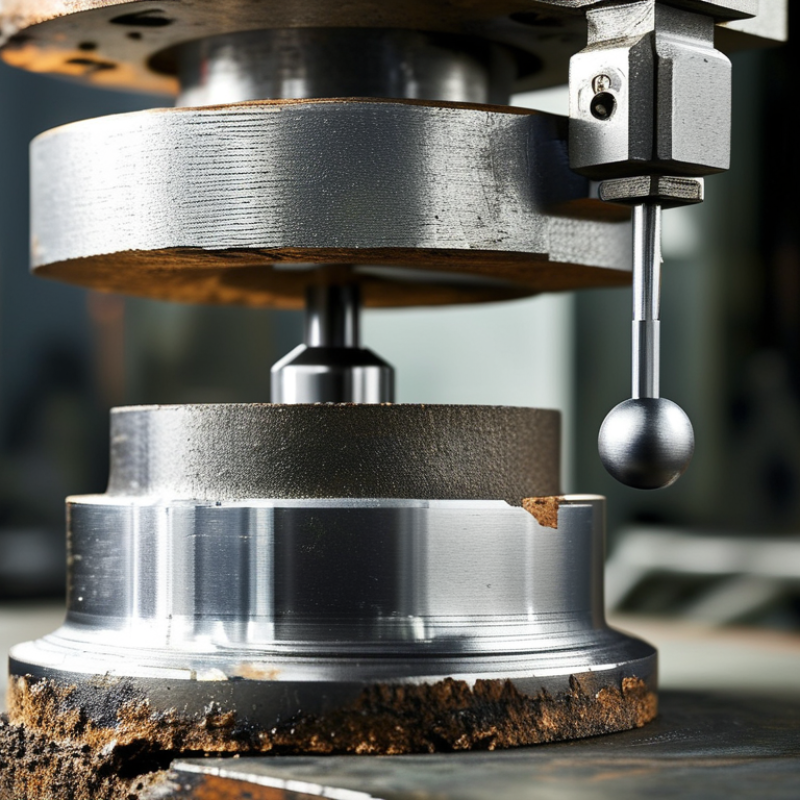
A Brinell hardness tester is a tool used to measure the hardness of materials, particularly metals. It operates by pressing a hard steel or carbide ball into the surface of the material. The test creates an indentation, and the diameter of this indentation is measured to determine hardness.
The concept behind the Brinell hardness test is straightforward. A spherical indenter is applied under a specific load, typically for a defined duration. After the test, the diameter of the indentation is measured using a microscope. This measurement allows for the calculation of the Brinell hardness number (BHN). The numbers derived provide insight into the material's resistance to deformation.
However, the process is not without challenges. Variability in test conditions can lead to inconsistent results. For instance, surface preparation is crucial. Poorly prepared surfaces can affect the indentation measurement. Likewise, selecting the appropriate indenter diameter and load is vital for accuracy. Users must be diligent about these factors to ensure reliable and valid results. Exploring these aspects reveals the depth and complexity of utilizing a Brinell hardness tester effectively.
Brinell Hardness Tester Data Representation
This bar chart illustrates the Brinell hardness values of various materials. The data reflects the testing results of commonly used metals.
The Principle Behind Brinell Hardness Testing
The Brinell hardness test is a crucial method for measuring material hardness. At its core, it uses a hardened steel or carbide ball to indent the surface of the material being tested. The diameter of the indentation is then measured, allowing for a precise assessment of hardness. This method is particularly effective for materials with coarse or uneven grain structures.
The principle behind Brinell hardness testing is straightforward yet effective. When the ball is pressed into the surface, it creates an impression proportional to the material's resistance to deformation. The applied load and diameter of the indentation are recorded to calculate the Brinell hardness number (HB). This number indicates how well the material can withstand wear and deformation.
Despite its effectiveness, the method has limitations. For example, it may not provide accurate results for very hard or brittle materials. Additionally, the large size of the indent can impact the aesthetics of some finished products. Careful consideration is needed when selecting this test for various applications. Quality checks and repeated tests are vital to ensure reliability.
Components of a Brinell Hardness Tester
A Brinell hardness tester is an essential tool used to measure the hardness of materials. Its primary components include a hard metal ball, a hydraulic loading system, and a measurement device. The tester operates by pressing a hardened ball into the surface of the test material. The size of the indentation left in the material is then measured. This process provides a reliable indication of material hardness.
One key component is the hydraulic loading system. It generates the pressure needed to push the ball into the material. This pressure is usually set at specific values, depending on the hardness range of the material being tested. The common test involves a 10 mm steel ball, applying a force of 500 to 3,000 kg. The load determines the test's accuracy and consistency.
Tips: Ensure proper calibration of the tester before use. Regular calibration can improve testing precision. Always follow safety protocols when handling equipment. Also, consider the material's composition, as it affects results. Inconsistent practices can lead to inaccurate data and misinterpretations. Understanding these components will help maintain the tester’s reliability and effectiveness in material testing.
Step-by-Step Process of Performing a Brinell Test
The Brinell hardness test is a widely used method to determine material hardness. It involves pressing a hard steel or carbide ball into the surface of the material. The diameter of the indentation left after removing the load is measured. This test provides a reliable measure of hardness, which correlates with tensile strength and material properties.
When performing a Brinell test, it's crucial to follow specific steps. Start by selecting the appropriate test specimen according to ASTM E10 guidelines. Clean the surface well to ensure no contaminants affect the results. Next, position the specimen under the hardness tester. Apply a predetermined load, typically between 500 kg to 3000 kg, for a fixed duration of 10 to 15 seconds. After removing the load, use a microscope to measure the diameter of the indentation accurately.
Correlating the indentation size to hardness is flanked by specific calculations. The Brinell hardness number (BHN) is computed using a formula established by standardized testing protocols. Reports suggest that materials like aluminum can have a BHN of around 40, while hardened steel may reach 700 or more. The process's reliability can sometimes be questioned, especially with softer materials, making accurate surface preparation essential. Hence, attention to detail is vital throughout the procedure.
Applications and Limitations of Brinell Hardness Testing
Brinell hardness testing is widely used in industries. It provides valuable insights into material properties. This method is particularly effective for larger metal specimens. The test uses a hardened steel or carbide ball to indent the material. The size of the indentation helps determine hardness.
Applications range from metal fabrication to quality control. Engineers often rely on this testing in manufacturing processes. It helps assess the durability of components. The method is also employed in research and development. However, it may not be suitable for all materials. Soft metals can yield inaccurate readings. In addition, surface preparation can impact results.
Tips for effective testing: Always ensure surface cleanliness before testing. Uneven surfaces can lead to misleading data. Consider the material's characteristics when choosing the test method. Brinell hardness testing requires large samples for accurate results. Smaller samples might need different techniques. Reflecting on these factors improves reliability in testing outcomes.
What is a Brinell Hardness Tester and How Does It Work? - Applications and Limitations of Brinell Hardness Testing
| Aspect | Details |
| Definition | A Brinell hardness tester measures the hardness of materials by pressing a hard steel or carbide ball into the material under a specified load. |
| Test Procedure | 1. Apply load on the ball for a set time.
2. Measure the diameter of the indentation left if the ball.
3. Calculate hardness using the Brinell formula. |
| Applications | Used for testing metals, alloys, and other materials, especially those with a coarse or uneven structure. |
| Advantages | Provides a large indent size that averages the hardness over a larger area, making it suitable for heterogeneous materials. |
| Limitations | Not suitable for very hard materials, cannot test thin materials effectively, and indentation size may be too large for small parts. |
| Commonly Tested Materials | Soft to medium-hard metals like castings, forgings, and various types of steel. |
| Hardness Scale | Measured in Brinell Hardness Number (BHN), which is the applied load divided by the surface area of the indentation. |