2026 Best Used Bulldozer Buying Guide for Global Buyers?
When it comes to buying a Used Bulldozer, expert advice can make all the difference. John Smith, a veteran in construction equipment sales, once stated, "The right used bulldozer can transform your project efficiency." This encapsulates why understanding the nuances of used bulldozers is crucial for global buyers.
The market for used bulldozers is vast and varied. Buyers face challenges such as quality assessment and pricing strategies. Every model has its own strengths and weaknesses. Potential buyers often overlook the importance of researching the machine's history. A well-documented maintenance record is invaluable.
Choosing a used bulldozer is not just about finding the lowest price. It's essential to consider the machine's capabilities. Ask yourself, is it suitable for your specific needs? Buyers should analyze industry standards and expert opinions. In doing so, they can avoid costly mistakes that might arise from hasty decisions. This guide aims to illuminate best practices for purchasing a used bulldozer, ensuring a solid investment for your operations.
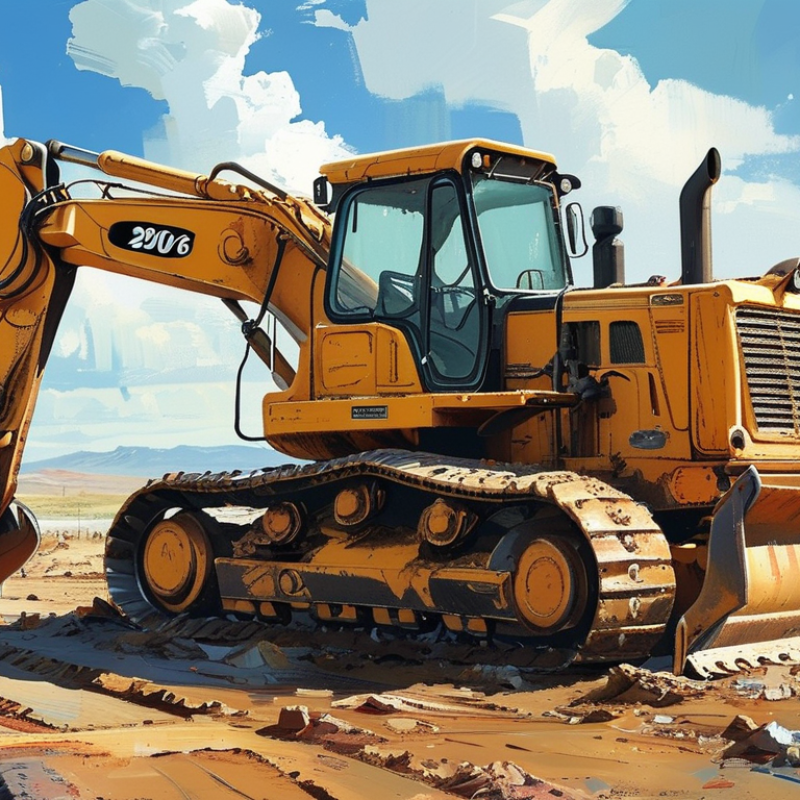
Key Factors to Consider When Buying a Used Bulldozer in 2026
When considering a used bulldozer in 2026, several key factors come into play. The condition of the engine is paramount. A bulldozer’s lifespan can vary widely, from 5,000 to over 10,000 hours of usage. Understanding the machine's history helps gauge its value.
Look for maintenance records and previous usage reports. According to industry data, bulldozers with clear histories demonstrate better investment potential.
Tip: Always conduct a thorough inspection. Hire a professional if needed.
Another crucial factor is emissions compliance. With environmental regulations tightening, ensuring the used bulldozer meets current standards is vital. Some models may face restrictions in urban areas. Ignoring this can lead to costly penalties.
Tip: Keep abreast of local regulations. Compliance can save future headaches.
Understanding Different Bulldozer Models and Their Applications
When considering a used bulldozer, it's vital to understand the different models available and their respective applications. Bulldozers vary in size, power, and functionality. For instance, smaller dozers are suitable for residential projects like landscaping. They can easily maneuver in tight spaces. On the other hand, larger models are designed for heavy-duty tasks in construction and mining. These machines handle significant earthmoving tasks and rough terrains.
Each bulldozer type has unique features to consider. Crawler dozers offer better traction on uneven ground, making them ideal for outdoor construction sites. Wheel dozers are quicker and better for transporting material on paved surfaces. While size and power play essential roles, so do operator skill and experience. Choosing the right model means matching the machine's capability with the project's requirements.
Potential buyers should reflect on their needs. Are you seeking efficiency or versatility? Each option has trade-offs. Do not rush the decision-making process. Take the time to research and evaluate the conditions you will work in. A bulldozer that excels in one scenario may not be the best fit for another. Weighing these factors will lead to a more informed choice.
Assessing the Condition and Maintenance History of Used Bulldozers
When considering a used bulldozer, assessing its condition and maintenance history is crucial. Key factors include service records, operational hours, and any previous repairs. According to a report by the Association of Equipment Manufacturers, over 60% of used heavy machinery issues come from inadequate maintenance.
Checking service records can reveal red flags. A lack of regular maintenance often leads to costly repairs down the line. Look for evidence of oil changes, filter replacements, and inspections. Aim for machines that have undergone routine checks and repairs as recommended by manufacturers.
Tip: Ask for detailed maintenance logs. If logs are missing, consider it a warning sign. Operational hours provide insight too. A bulldozer with high hours but excellent maintenance might be a better purchase than a low-hour machine that’s neglected.
Evaluating the overall condition is equally important. Inspect for signs of wear and tear. Look for leaks, cracks, or rust, as these may indicate deeper issues. Remember, not all visible damage is critical, but it can impact value and future maintenance costs.
Tip: Bring a knowledgeable technician to assess the machine. Their expertise can help identify hidden problems. Being thorough now can prevent regrets later.
Evaluating Pricing Strategies for Used Bulldozers in the Global Market
When considering the pricing strategies for used bulldozers in the global market, it's essential to analyze several key factors. Demand and supply play a crucial role in determining prices. A surge in construction projects increases demand, thereby pushing prices higher. Conversely, an oversupply of used equipment can lead to price drops. Understanding these dynamics can help buyers make informed decisions.
Local market conditions also impact pricing. Regions experiencing economic growth may see higher bulldozer prices compared to areas with stagnant growth. Buyers should research local trends. Additionally, evaluating the condition of the machinery is important. Factors such as age, wear, and maintenance history significantly affect value. A bulldozer in excellent condition may command a higher price, but it could save money in repairs.
Buyers should not overlook the importance of competitive analysis. Observing how similar equipment is priced can provide insights into fair market value. However, relying solely on this information may not capture local variations. Some sellers may inflate prices based on brand reputation or scarcity. Therefore, it's crucial to approach pricing with a critical lens, ensuring that buyers remain vigilant in their negotiations.
2026 Global Used Bulldozer Price Comparison by Model Type
Tips for Conducting Effective Inspections and Test Runs of Bulldozers
When purchasing a used bulldozer, inspections and test runs are crucial steps. They help determine the machine's condition and performance. Recent industry reports highlight that 30% of used bulldozers have undisclosed mechanical issues. Conducting thorough checks can save buyers from costly repairs.
Start with a visual inspection. Look for signs of wear, rust, or leaks. Check the tracks and undercarriage, as these elements often indicate how the machine was maintained. If possible, request maintenance records. A study by the Construction Equipment Association reveals that 70% of buyers overlook this step, leading to buyer's regret.
During your test run, observe the bulldozer’s operation. Listen for unusual noises and watch for inconsistencies in movement. Slow and steady actions are key. A smooth operation typically reflects reliable hydraulics and engine performance. Be aware that even minor vibrations can signify deeper issues. Keeping a checklist will help in documenting your observations. Make informed choices based on these assessments to avoid future headaches.