
Choosing the best Extruder Machine Parts in 2026 starts with the material, output target, and operating conditions. A screw designed for flexible PVC may not suit a glass-filled engineering polymer. Barrel wear, screw geometry, die design, and temperature control all affect melt quality. Small differences matter. A worn screw can cause uneven output, while a poorly matched die may leave visible streaks across the product. Buyers should compare alloy, surface treatment, machining tolerances, and service support—not just purchase price.
Extrusion specialist Dr. Chris Rauwendaal’s work highlights the importance of matching screw design to the polymer and process. A familiar summary of that principle is, “The screw is the heart of the extruder.” Treat it as a useful engineering reminder, not a shortcut to choosing parts. The right configuration depends on production history, resin behavior, and measured wear. That evidence can be inconvenient to gather. Still, a few barrel measurements and notes on melt temperature often reveal more than a polished catalogue description.
This guide examines screws, barrels, dies, heaters, gearboxes, and screen-changing components through practical selection criteria. It also considers compatibility, maintenance intervals, and supplier documentation. No part is “best” for every line. Even experienced teams sometimes overvalue a premium coating or overlook installation tolerances. The aim is not to promise flawless output, but to help readers ask sharper questions before replacing a component.
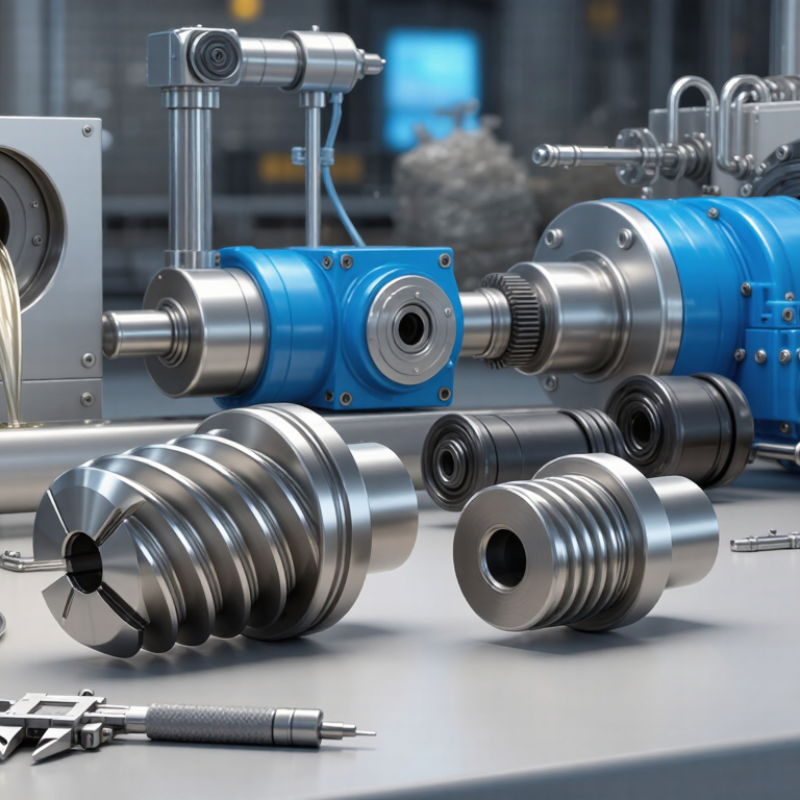
What Are the Best Extruder Machine Parts in 2026?
An extruder turns solid resin into a continuous melt, then pushes it through a shaped die. Pellets drop from the hopper into a heated barrel. A motor and gearbox rotate the screw, which conveys, compresses, and mixes the material. The OECD’s Global Plastics Outlook reports that 353 million tonnes of plastic waste were generated worldwide in 2019, with only 9% recycled. Reliable extrusion parts matter when processing recycled feedstock, whose melt quality can vary.
The screw and barrel are the core working pair. Their flights move and compress material; close, even clearances help maintain stable output. Barrel heaters bring the polymer to temperature, while sensors and controls track heat across zones. At the outlet, a screen pack catches contamination, a breaker plate supports the screens, and the die forms the melt. Small clearances matter. In practice, the process is not always so tidy: worn screws, blocked screens, or inconsistent feed can cause pressure swings and uneven strands.
Tips: Check screw and barrel wear against the machine maker’s tolerances, and record melt temperature and pressure during production. Replace screens when pressure rises, not only when output falls. A clean strand is useful evidence, but it does not prove every setting is right.
| Part | Where It Works | Main Function | Practical Selection and Maintenance Notes |
|---|---|---|---|
| Feed Hopper | At the material inlet, above the feed throat | Stores and directs pellets, flakes, or other feedstock into the extruder. | Choose a hopper suited to the material’s flow characteristics. Keep it clean and dry where moisture-sensitive polymers are processed; some systems use a dryer or material loader upstream. |
| Feed Throat | Between the hopper and the barrel | Guides material into the screw’s feed section. Cooling is often used to help prevent material from softening or bridging prematurely. | Check for buildup, restricted flow, or inadequate cooling. Stable feeding is important for consistent output. |
| Screw | Rotates inside the barrel | Conveys, compresses, mixes, and helps melt the material. Many single-screw designs have feed, transition (compression), and metering sections. | Match screw geometry and surface condition to the polymer, additives, and process. Wear, corrosion, or damage can affect output and melt quality. Twin-screw designs are commonly selected when stronger mixing or compounding capability is needed. |
| Barrel | Surrounds the screw | Contains the material as it is conveyed and processed, while providing a controlled surface for heat transfer and pressure development. | Barrels may use hardened or wear-resistant surfaces for abrasive or corrosive applications. Inspect the bore for wear and check that heating and cooling zones operate correctly. |
| Motor and Gearbox | Drive end of the extruder | The motor supplies rotation; the gearbox reduces speed and transmits torque to the screw. | Select a drive rated for the required speed and torque. Follow lubrication and alignment requirements, and investigate unusual vibration, noise, or temperature changes. |
| Heaters and Cooling System | Around or within barrel zones | Provide zoned temperature control. Heaters add heat, while air or liquid cooling may remove heat when needed. | Zone settings depend on the material and process. Check heater bands, cooling passages, wiring, and temperature response; avoid relying on a single temperature reading for the whole barrel. |
| Temperature Sensors and Controls | At barrel zones and other monitored points | Measure process temperatures and allow the control system to regulate heaters and, where fitted, cooling. | Correct sensor placement and reliable calibration support repeatable processing. Compare readings with operating behavior and replace damaged or inaccurate sensors. |
| Screen Pack and Breaker Plate | Downstream of the screw, before the die, in many thermoplastic lines | The screen pack can capture contaminants; the breaker plate supports the screens and helps redistribute flow. | Use only where appropriate for the process. Monitor pressure changes because a loaded screen pack can restrict flow and increase pressure; replace screens according to process conditions and equipment limits. |
| Die | At the extruder outlet | Shapes the pressurized melt into the required continuous profile, sheet, film, strand, or other product form. | Die geometry must suit the product and material. Keep flow surfaces clean and inspect for wear or blockage; die temperature and flow balance affect product dimensions and appearance. |