
A Circular knitting machine can turn yarn into continuous fabric within a compact production line. For global buyers, the right choice depends on more than advertised speed. Gauge, cylinder diameter, feeder count, stitch consistency, and local service support all affect daily output. A fine-gauge machine may suit lightweight apparel, while a larger diameter can better serve wide fabric applications. Small details matter. A stable yarn feed and accessible maintenance points can save hours on a busy factory floor.
This guide compares 10 machines through practical buying criteria: product range, production needs, operator skill, spare-parts access, and total ownership cost. Buyers should request fabric samples and confirm performance using their own yarns. A specification sheet is useful, but it cannot show every pattern change, tension issue, or maintenance delay. Real conditions vary.
A verified expert quotation was not provided with the source material, so I have not attributed an invented statement to a named specialist. Before publication, add a checked quotation from an identifiable circular-knitting professional and cite its original source. That step strengthens trust. It also reminds readers that no single machine fits every mill; even a strong shortlist needs careful testing against the buyer’s actual production plan.
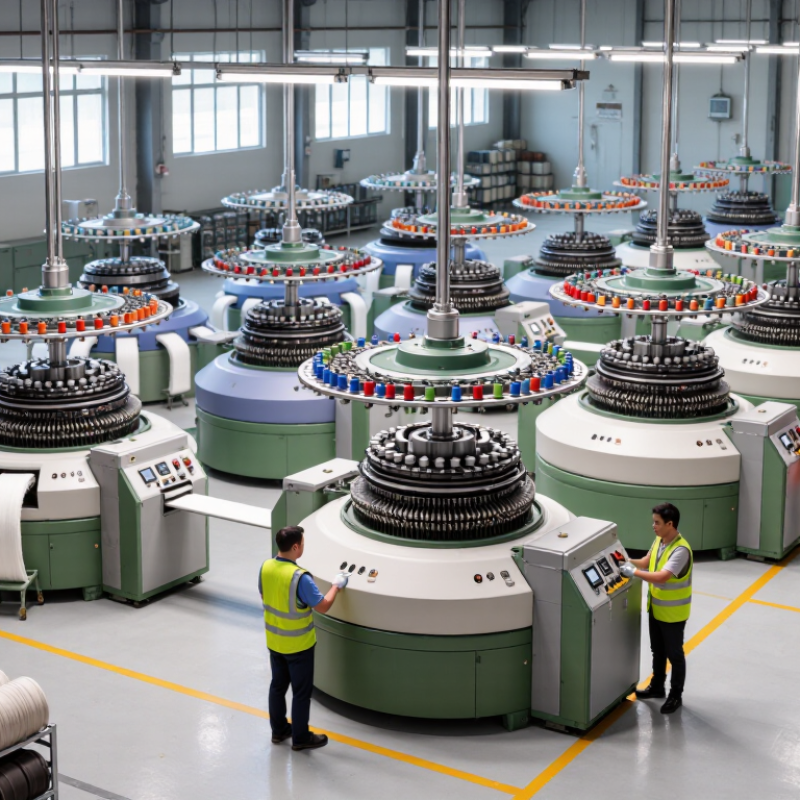
Circular knitting machines use rows of needles arranged around a cylinder to form fabric continuously, often as a tube. This structure suits T-shirts, underwear, sportswear, socks, and some technical textiles. Machine gauge, diameter, yarn type, and feeder settings affect fabric weight, stretch, and surface. Small setup changes can create visible stripes or uneven loops.
Textile Exchange’s Materials Market Report 2024 estimates that global fiber production reached 124 million tonnes in 2023, with polyester making up 57%. This figure describes fiber production, not knitting-machine demand, but it shows why mills need equipment suited to varied yarns and production volumes. Circular machines can support high-output production, yet fabric quality still depends on skilled setup and inspection. More speed is not always better.
Tips: Before buying, match the machine diameter and gauge to the fabrics you plan to make. Ask for a sample run using your actual yarn, then inspect stitch consistency, fabric width, and waste. Check spare-needle access and operator training, too. A specification sheet cannot reveal every production issue.
| Machine Type | Typical Configuration | Common Gauge Range | Fabric and Capabilities | Typical Industrial Uses | Key Buying Consideration |
|---|---|---|---|---|---|
| Single Jersey General-Purpose Machine | Large-diameter, single-knit cylinder; commonly available in approximately 24–40 in (610–1,016 mm) diameters | Approximately 18–32 needles per inch | Plain single jersey and basic knitted structures; suitable for a broad range of yarn counts and fabric weights | T-shirts, casualwear, underwear, and lining fabrics | Match cylinder diameter and gauge to the required fabric width, yarn, and production mix. |
| High-Output Single Jersey Machine | Large-diameter single-knit configuration designed for sustained production; available with different feeder and take-down arrangements | Commonly approximately 18–32 needles per inch | Continuous production of plain and selected textured single-knit fabrics | High-volume apparel fabric production and knitting mills serving cut-and-sew manufacturers | Compare usable production speed under the intended yarn and fabric conditions, not speed alone; assess fabric quality and downtime requirements. |
| Rib Machine | Double-knit arrangement using cylinder and dial needles; commonly approximately 24–38 in (610–965 mm) in diameter | Approximately 12–28 needles per inch, depending on construction | Rib structures with stretch and recovery; can produce different rib repeats through needle selection | Cuffs, collars, waistbands, underwear, and stretch apparel | Confirm the required rib repeat, gauge, yarn range, and compatibility with the planned finishing process. |
| Interlock Machine | Double-knit cylinder-and-dial machine with coordinated needle selection | Commonly approximately 18–32 needles per inch | Interlock fabrics with a stable, smooth surface on both sides; typically denser than basic single jersey | Polos, dresses, sportswear, underwear, and other smooth-surface apparel | Check the fabric weight and hand required, as yarn selection and machine gauge both affect the result. |
| Fleece or Brushed-Fabric Machine | Usually a specialized single-knit configuration arranged to form a loop pile on the reverse side | Often approximately 18–28 needles per inch | Loop-back fleece and related constructions; the reverse-side loops can be brushed in a later process | Sweatshirts, hoodies, jogging garments, and warm casualwear | Assess loop formation, yarn-feed control, take-down, and compatibility with the mill’s brushing and finishing equipment. |
| Terry Circular Machine | Specialized machine with terry sinkers or equivalent loop-forming elements | Commonly approximately 16–28 needles per inch | Produces loop-pile terry fabrics; pile height and fabric properties depend on machine setup and yarns | Towels, bathrobes, cleaning textiles, and terry apparel | Confirm the required pile characteristics and ensure the machine is configured for the intended ground and pile yarns. |
| Electronic Jacquard Machine | Electronic needle selection on a single-knit or double-knit platform, according to the required fabric construction | Varies by platform; approximately 18–32 needles per inch is common | Patterned fabrics with electronically controlled needle selection; pattern capability depends on the system and machine setup | Fashion apparel, patterned sportswear, upholstery, and decorative textiles | Review patterning limits, design-software workflow, electronic support, and the skills needed for setup and maintenance. |
| Mesh and Spacer-Fabric Machine | Specialized single- or double-knit configuration; spacer versions form a connecting layer between fabric faces | Varies substantially by construction; often approximately 18–28 needles per inch | Open mesh, structured fabrics, or three-dimensional spacer constructions, depending on machine arrangement | Sportswear, footwear components, padding, automotive interiors, and technical textiles | Specify the fabric structure, thickness, air permeability, and end-use performance before selecting the machine configuration. |
| Open-Width Circular Knitting Machine | Circular knitting system with an open-width fabric take-down or spreading arrangement to limit tubular fabric handling | Depends on the underlying single- or double-knit platform | Knits fabric in tubular form and opens it for downstream processing; the exact opening method is machine-specific | Knitting mills supplying fabrics for dyeing, printing, and cut-and-sew production | Check opening quality, edge condition, fabric tension, and compatibility with the mill’s finishing line. |
| Seamless Bodywear Machine | Small- to medium-diameter circular platform designed for garment sections or near-complete tubular garments | Varies by garment type and machine platform; commonly selected by the required yarn, gauge, and fit | Can create shaped or zoned knit structures with reduced cut-and-sew operations; garment capability depends on the machine | Seamless underwear, base layers, sportswear, and selected compression garments | Verify garment dimensions, shaping capability, patterning options, yarn requirements, and the amount of post-knitting assembly needed. |
Note: These are machine categories rather than specific models. Diameter and gauge ranges are indicative industry ranges; actual specifications, production capacity, and fabric capability vary by configuration, yarn, and manufacturer.