What Are the Benefits of Using a Cooling Tower?
In industrial and commercial settings, a cooling tower plays a crucial role. This system is designed to dissipate excess heat from processes. It does so by cooling water through evaporation. The benefits of using a cooling tower can significantly impact efficiency in operations.
Using a cooling tower reduces energy consumption. It allows for sustainable cooling solutions that conserve water. Moreover, these towers maintain optimal temperatures for machinery and equipment. This helps prevent overheating and extends the lifespan of critical components. However, the effectiveness of a cooling tower depends on proper maintenance and design.
Despite the advantages, challenges can arise. Issues such as scaling and fouling can hinder performance. Regular inspections are necessary to ensure optimal function. Users must reflect on their practices to maximize the benefits of their cooling towers. By addressing these factors, companies can unlock the full potential of their cooling system.
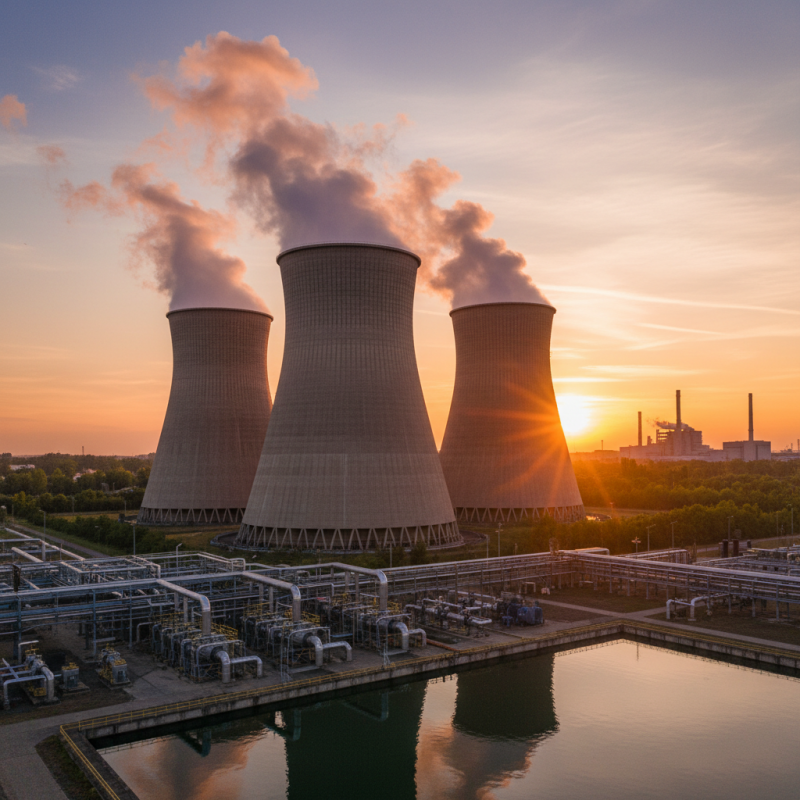
Overview of Cooling Towers and Their Functionality
Cooling towers play a crucial role in various industrial and commercial applications. They help dissipate excess heat from processes or equipment, primarily using a combination of evaporative cooling and convection. By circulating water through a system, they enhance heat transfer efficiency. This method can significantly reduce temperatures, promoting safer and more effective operations.
The functionality of a cooling tower hinges on its design. Water enters from the top and flows down over fill media, which increases surface area. As water descends, air is drawn in from the bottom, evaporating a portion of the water. This process cools the remaining water, which is then recirculated. However, it's important to monitor water quality and maintenance. Neglecting this can lead to inefficiencies or even system failures.
In practical terms, the operation of cooling towers involves challenges. The need for regular cleaning and inspections can sometimes be overlooked. There can also be issues with scaling and biological growth if not managed. These factors can detract from the intended benefits, leading to increased energy costs. It's essential to stay proactive in maintaining these systems to maximize their effectiveness.
What Are the Benefits of Using a Cooling Tower? - Overview of Cooling Towers and Their Functionality
| Benefit | Description | Application |
| Energy Efficiency | Cooling towers reduce the need for high energy-consuming chillers by dissipating heat effectively. | HVAC systems, industrial processes. |
| Cost Savings | Lower operational costs due to reduced electricity consumption and maintenance expenses. | Large buildings, factories. |
| Longevity of Equipment | By regulating temperatures, cooling towers help prolong the lifespan of cooling systems. | Any facility utilizing refrigeration systems. |
| Environmental Benefits | Cooling towers contribute to reducing greenhouse gas emissions through optimized energy use. | Sustainable building designs. |
| Improved Air Quality | Enhanced air circulation and cooling lead to better indoor air quality. | Office buildings, hospitals. |
Energy Efficiency Benefits of Using Cooling Towers
Cooling towers play a vital role in energy efficiency for industrial and commercial applications. By evaporating water, these systems can dissipate excess heat effectively. This process helps maintain optimal temperatures in machinery and manufacturing processes. Reduced energy consumption translates into lower operational costs. Companies often face challenges in balancing cooling demands with energy use.
An example of this is found in older systems that might not function efficiently. These systems can consume more power than necessary. Regular maintenance and upgrades can improve their performance significantly. Implementing modern cooling technology can lead to substantial savings.
It's important to note that cooling towers require careful management. Environmental factors, such as humidity and temperature, can affect their efficiency. Overlooking these aspects may lead to increased energy waste. Understanding the balance between cooling needs and energy consumption is key for sustainable operations. This ongoing reflection on practices can yield better results in energy management.
Benefits of Using Cooling Towers
The chart above illustrates the benefits of using cooling towers in terms of energy savings, water conservation, reduced emissions, and extended equipment life. Cooling towers provide significant efficiencies and environmental advantages, making them an integral part of modern industrial cooling systems.
Cost Savings Associated with Cooling Towers in Industry
Cooling towers play a significant role in industrial processes. They help manage heat from machinery and systems. By doing this, they can lower energy consumption, leading to noticeable cost savings over time. Companies can save a lot on energy bills by investing in these systems.
In many industries, water consumption is a crucial factor. Cooling towers recycle water, reducing the need for fresh water. This not only cuts costs but also promotes sustainability. However, there are maintenance expenses associated with cooling towers. Some may overlook these costs, leading to surprise bills later. Regular upkeep is necessary to ensure efficiency and prevent waste.
Additionally, the initial installation can be a hurdle. Many businesses hesitate due to upfront costs. Yet, these costs often pay off quickly. The benefits can outweigh the initial investments, particularly in high-demand settings. Understanding these aspects can help businesses make informed choices.
Environmental Advantages of Cooling Towers in Heat Dissipation
Cooling towers play a crucial role in heat dissipation while offering significant environmental benefits. They act as natural heat exchangers, helping to release excess heat into the atmosphere. With their efficient design, cooling towers can significantly reduce energy consumption. Less energy use translates to lower greenhouse gas emissions. This is vital in combating climate change.
Additionally, cooling towers utilize water for cooling, which can be a more sustainable option than air-cooled systems. They help maintain lower temperatures in industrial processes. This results in reduced thermal pollution in nearby water bodies. However, water use must be managed carefully to avoid depletion and ensure sustainability.
While cooling towers offer benefits, they also require maintenance and monitoring. Regular upkeep can prevent potential issues, such as leaks or contaminants. Environmental considerations must always be top of mind. Striking a balance between efficiency and ecological impact is essential for long-term success.
Applications of Cooling Towers Across Various Sectors
Cooling towers play a vital role across various sectors. In industries like power generation and manufacturing, they help regulate temperature. These systems are critical for maintaining efficient operations. By dissipating heat, they allow equipment to function properly and enhance productivity.
In the HVAC sector, cooling towers ensure climate control in large buildings. They assist in keeping indoor spaces comfortable and energy-efficient. In hospitals, they contribute to patient comfort and safety. The use of cooling towers in data centers prevents overheating of sensitive equipment. This is essential for protecting data integrity.
Tips: Regular maintenance is crucial. Check for scale buildup and clean the fill material. This ensures efficient performance. Also, monitor water quality. Improper water can lead to corrosion and system failure. Invest time in proper water treatment to avoid bigger issues down the line. Remember, sometimes a simple tweak can make a significant difference.