In today's fast-paced industrial landscape, the importance of automation and controls cannot be overstated. Global buyers must navigate a complex market filled with diverse technologies and solutions. Effective decision-making hinges on understanding key considerations in this dynamic field.
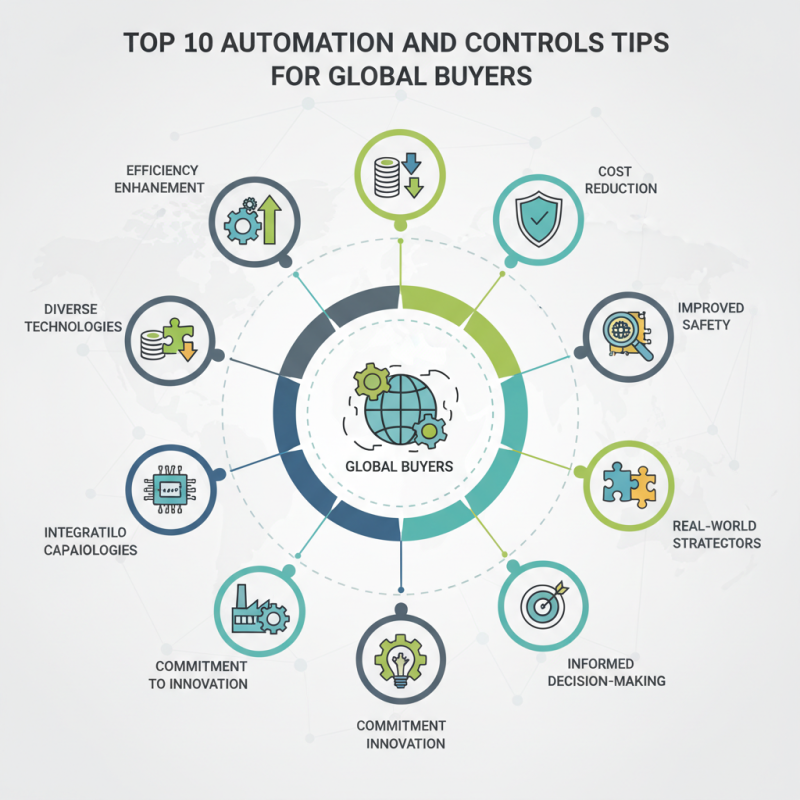
Automation and controls enhance efficiency, reduce costs, and improve safety in operations. However, as buyers explore options, they often encounter overwhelming choices. It is crucial to evaluate various systems, permanence, and integration capabilities. Real-world applications can offer insights into potential pitfalls.
Market trends indicate that investing in automation is not a mere luxury; it reflects a commitment to innovation. Yet, many organizations struggle with implementation. Knowing what to look for is essential. By focusing on critical factors, buyers can make informed decisions that align with their specific needs.
In today’s global markets, automation and controls are vital. They enhance efficiency and minimize human error. By integrating automated systems, businesses can achieve better resource allocation and faster production cycles. The impact on supply chains is significant. Timely data collection improves decision-making and responsiveness. Companies that neglect these aspects may fall behind.
Understanding automation requires grasping its complexities. It’s not just about replacing labor; it involves new strategies and tools. Integration can be challenging, leading to confusion or inefficiencies. Many organizations struggle with scalability. They might overestimate their capacity, resulting in wasted investments.
Investing in training is crucial. Employees must adapt to new technologies. A knowledgeable workforce is essential for maximizing automation benefits. Continuous learning helps mitigate risks associated with implementation. Global buyers need to prioritize these elements, ensuring that systems align with their strategic goals. Balancing innovation with practical execution often reveals areas for improvement.
| Tip Number | Tip Description | Benefits | Considerations |
|---|---|---|---|
| 1 | Invest in scalable automation solutions | Increased flexibility and faster adaptation to market changes | Ensure compatibility with existing systems |
| 2 | Focus on data integration and analytics | Improved decision-making and operational efficiency | Invest in training staff on data interpretation |
| 3 | Implement cybersecurity measures | Protection of sensitive company and client data | Stay updated with the latest security protocols |
| 4 | Choose reliable suppliers | Ensure quality and consistency in automation systems | Conduct thorough supplier assessments |
| 5 | Leverage cloud-based solutions | Enhanced accessibility and collaboration capabilities | Evaluate service level agreements carefully |
| 6 | Standardize automation technologies | Simplifies processes and reduces training time | Ensure standardization does not limit innovation |
| 7 | Invest in preventive maintenance | Reduces downtime and prolongs equipment lifespan | Allocate budget for regular maintenance checks |
| 8 | Foster a culture of automation | Encourages innovation and employee engagement | Provide incentives for automation contributions |
| 9 | Utilize AI and machine learning | Enhances predictive capabilities and process optimization | Evaluate AI solutions thoroughly before implementation |
| 10 | Ensure compliance with regulations | Avoids fines and enhances brand reputation | Stay informed about changing regulations |

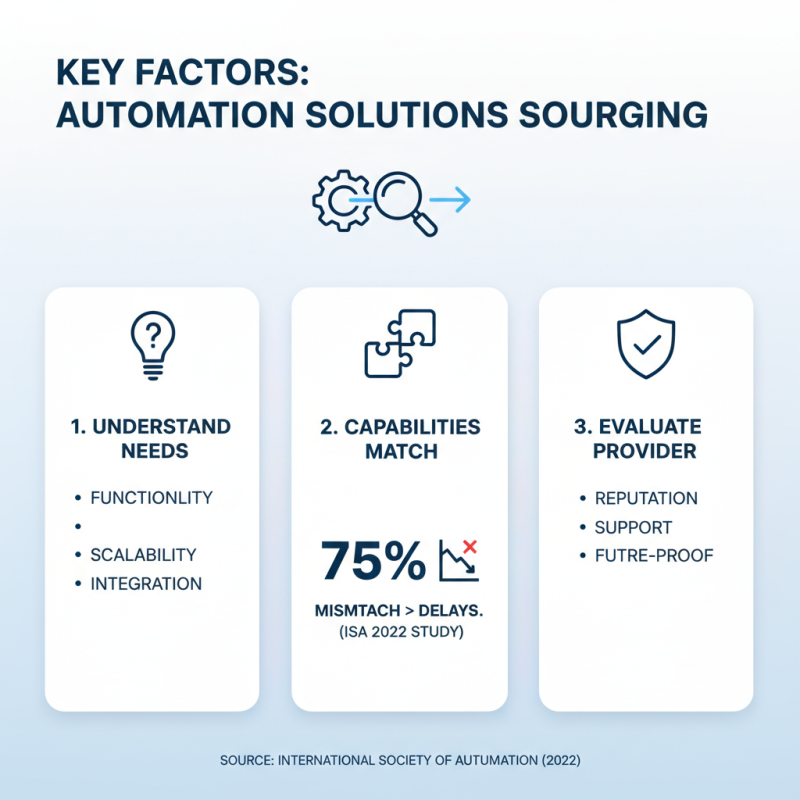
When sourcing automation solutions, it is crucial to consider several key factors. Understanding your specific needs is paramount. This includes evaluating the required functionality, scale, and integration capabilities of the automation systems. According to a 2022 study by the International Society of Automation, 75% of companies reported that a mismatch in automation capabilities led to project delays.
Supplier reliability should also be a top priority. Research indicates that 85% of buyers emphasize long-term performance history. An established supplier often provides better support and maintenance, which can be critical. It's essential to assess the supplier's reputation in the market. Reviews from past clients can offer insights into their reliability and overall service quality.
Cost considerations cannot be overlooked. It’s important to analyze the total cost of ownership. A report by McKinsey & Company states that companies can reduce costs by up to 30% by thoroughly evaluating all costing components. This analysis should include not just the initial purchase but also maintenance expenses and potential upgrade costs. Although seeking the cheapest option can be tempting, it can lead to regrets later. A cheaper solution may result in higher operational costs over time.
When assessing suppliers in automation and controls, clarity in communication is crucial. Ensure that your potential suppliers understand your project requirements. Establish clear expectations before engagement. A well-defined scope can prevent misunderstandings later.
Conducting thorough background checks is another essential practice. Evaluate each supplier’s track record. Look for customer reviews and case studies. Ask for references and verify their experience in similar projects. Not all vendors may live up to their claims, so diligence pays off.
Identifying the right questions can help you gain deeper insights. Inquire about their quality control processes. Understand how they handle failures and setbacks. Consider their commitment to continuous improvement. A transparent approach often indicates a reliable partnership. Remember, the best fit may not always be the most affordable option.
In the pursuit of optimizing cost efficiency in automation procurement processes, buyers must focus on strategic planning. Engaging suppliers early helps clarify specific requirements. Ensure that your team understands the real needs of the project. Without clarity, miscommunication can lead to wasted resources and time.
When evaluating options, consider total cost of ownership rather than just initial pricing. Delve into maintenance costs, energy consumption, and potential downtimes. Buyers often overlook the longer-term expenses. This oversight can increase costs significantly over the years.
Another critical aspect is fostering relationships with suppliers. Open communication can reveal potential savings and improvements in service. Regularly reviewing supplier performance can identify areas for enhancement. Automation procurement can be a complex landscape, demanding a thoughtful approach to achieve genuine cost efficiency.
Navigating compliance and standards in global automation systems can be challenging. Manufacturers must be aware of various international regulations. According to a report by the International Electrotechnical Commission, compliance costs can account for up to 15% of a project budget. This cost can increase if companies fail to meet these standards.
Understanding local regulations is crucial. Each region may have different compliance requirements. For instance, the European Union’s Machinery Directive sets strict safety regulations. Non-compliance can lead to substantial penalties. A study by Deloitte found that 25% of companies faced fines related to compliance issues in global markets. This data underscores the importance of thorough research before entering new territories.
Collaboration with local experts can mitigate risks. Engaging professionals who understand regional standards is beneficial. They can provide insights into compliance nuances that may not be immediately evident. Companies should adopt a proactive approach and continuously monitor changing regulations. This strategy not only aids in compliance but also fosters trust and credibility in the market.